Sometimes, you just want to escape the busy urban environment and have some blissful trip to the highlands. What I have on my list is the only landlocked province within Cordilleras left to be visited. A breath of fresh air is all I need. The last time I visited the neighboring provinces was when I did North Luzon Arch Solo Trip.
Luzon is the largest and most populous island in the Philippines. It also refers to one of the three primary island groups in the country, and roughly divided into four sections: Northern, Central and Southern Luzon, and the National Capital Region. Among these, Northern Luzon has the most diverse ethnolinguistic groups such as the Cordillerans of the highlands and Ilocanos of the lowlands.

Cordillera Administrative Region (Ilocano: Rehion/Deppaar Administratibo ti Kordiliera; Tagalog: Rehiyong Pampangasiwaan ng Cordillera), designated as CAR, is an administrative region in the Philippines situated within the island of Luzon. The only landlocked region in the insular country, it is bordered by the Ilocos Region to west and southwest, and by the Cagayan Valley Region to the north, east, and southeast. Highlighted is the province I’ve visited for this trip.
It was a spontaneous weekend trip so I initially went to Victory Liner Cubao to walk-in buy ticket to Baguio. Unfortunately, they were fully booked at dawn so I instead made a cutting trip to Dagupan City via Solid North Bus then ordinary bus from Dagupan to Baguio. Time to tick my 75th province as part of my #project81.
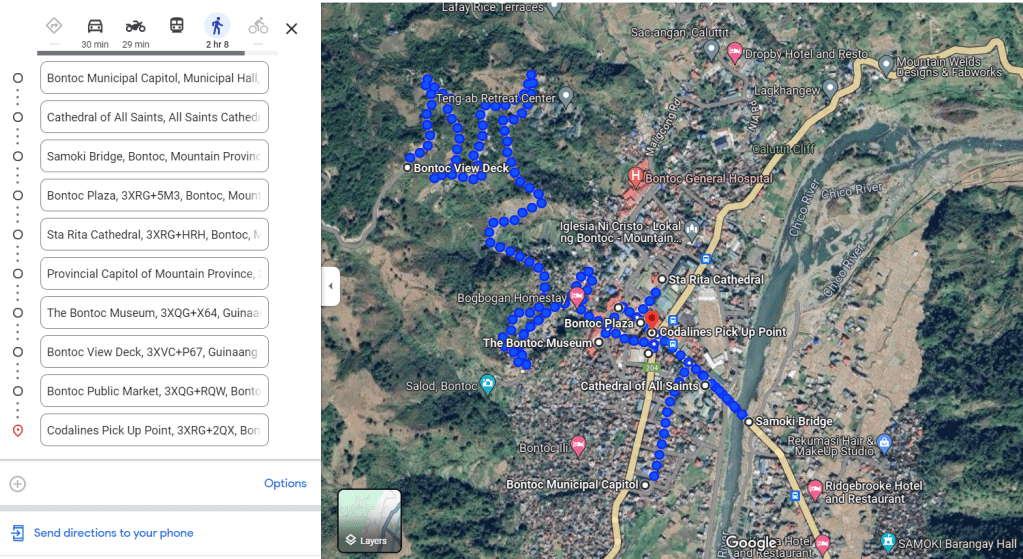
Presenting my itinerary map above of Bontoc, the provincial capital of Mountain Province.
HIGHLIGHTS PER REGION:
CORDILLERA ADMINISTRATIVE REGION designated as CAR
Mountain Province
📍Provincial Capitol of Mountain Province
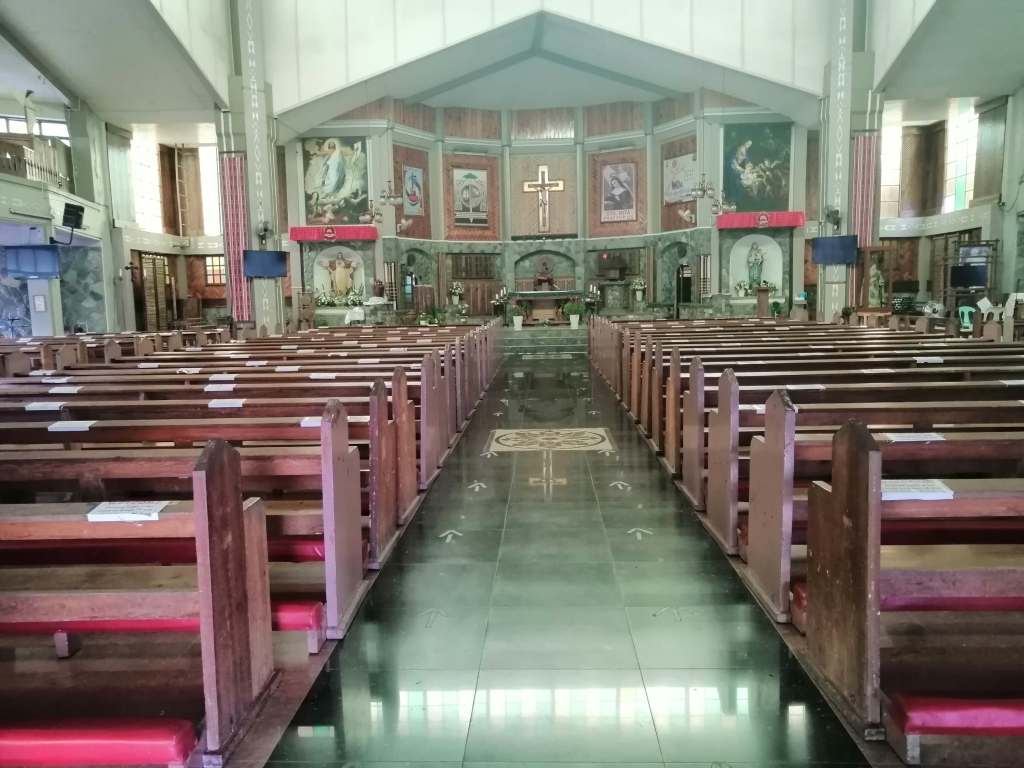
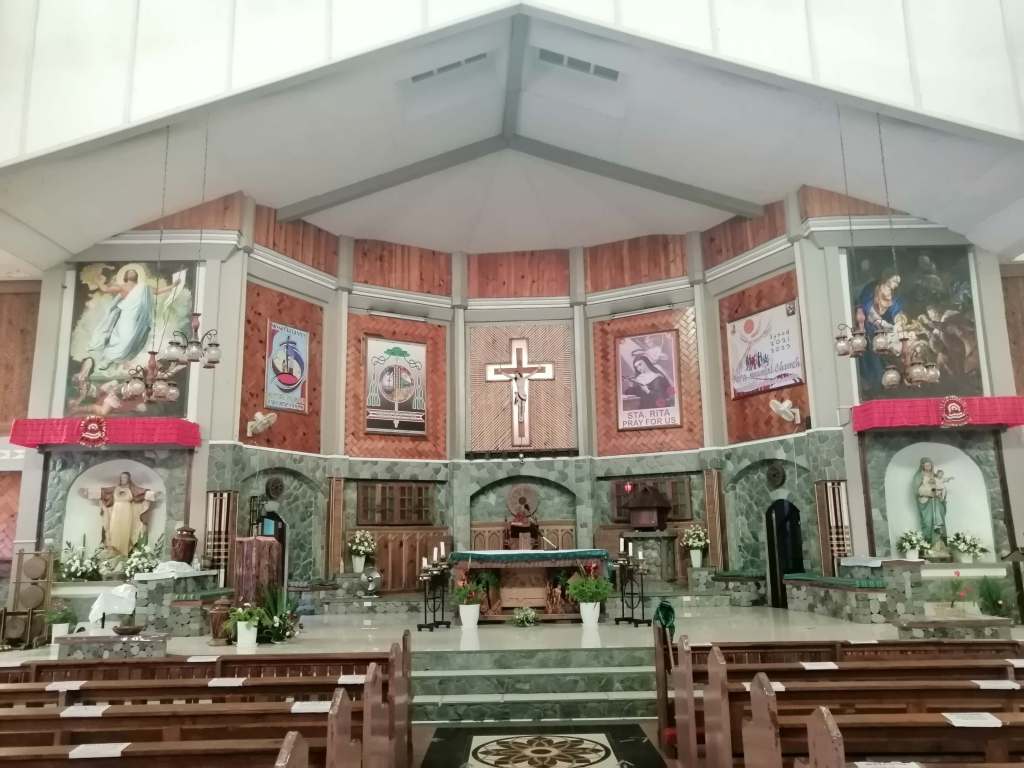
📍Santa Rita Cathedral
📍Bontoc Municipal Hall
📍Cathedral of All Saints
📍Bontoc Plaza
📍Bontoc Museum
📍Bontoc View Deck
📍Samoki Bridge
📍Bontoc Public Market for delicious servings of mami, patupat and papaitan


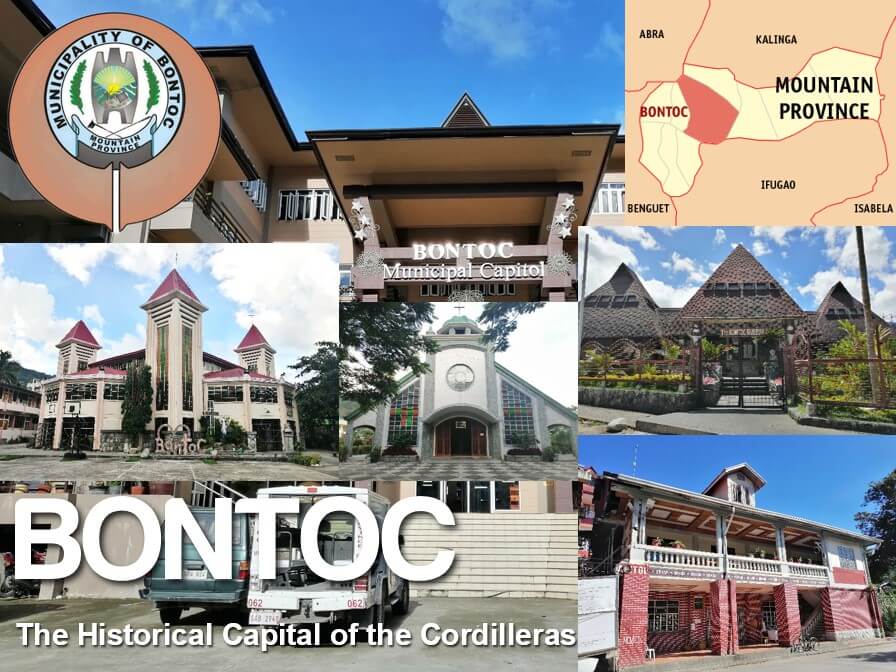

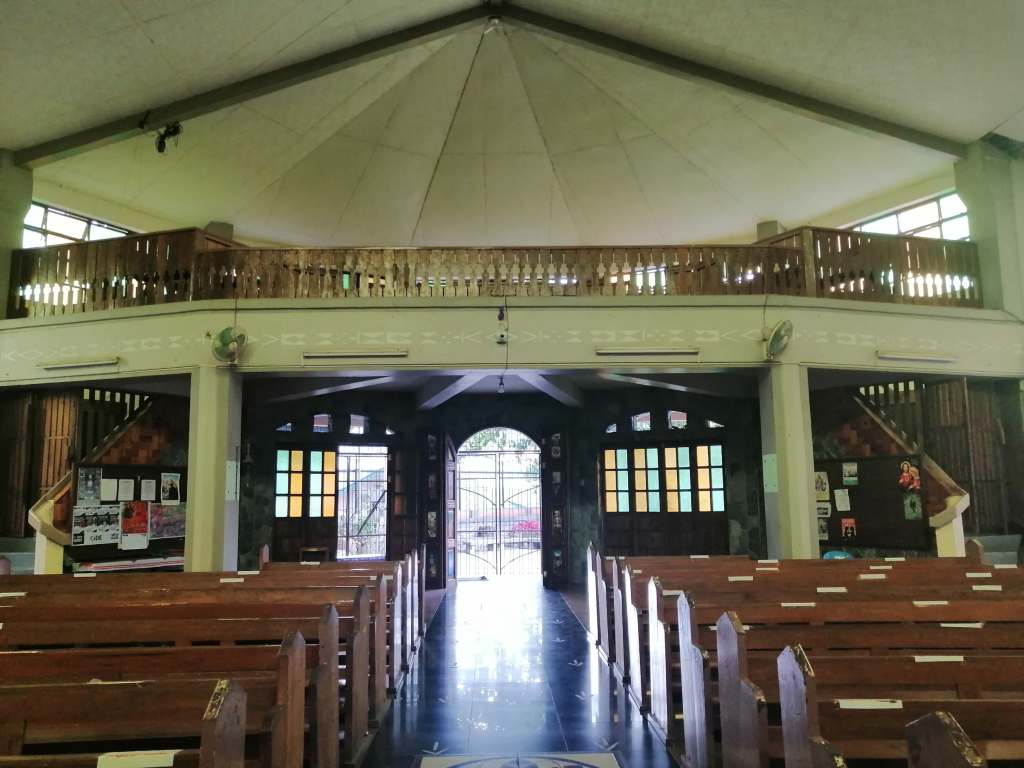
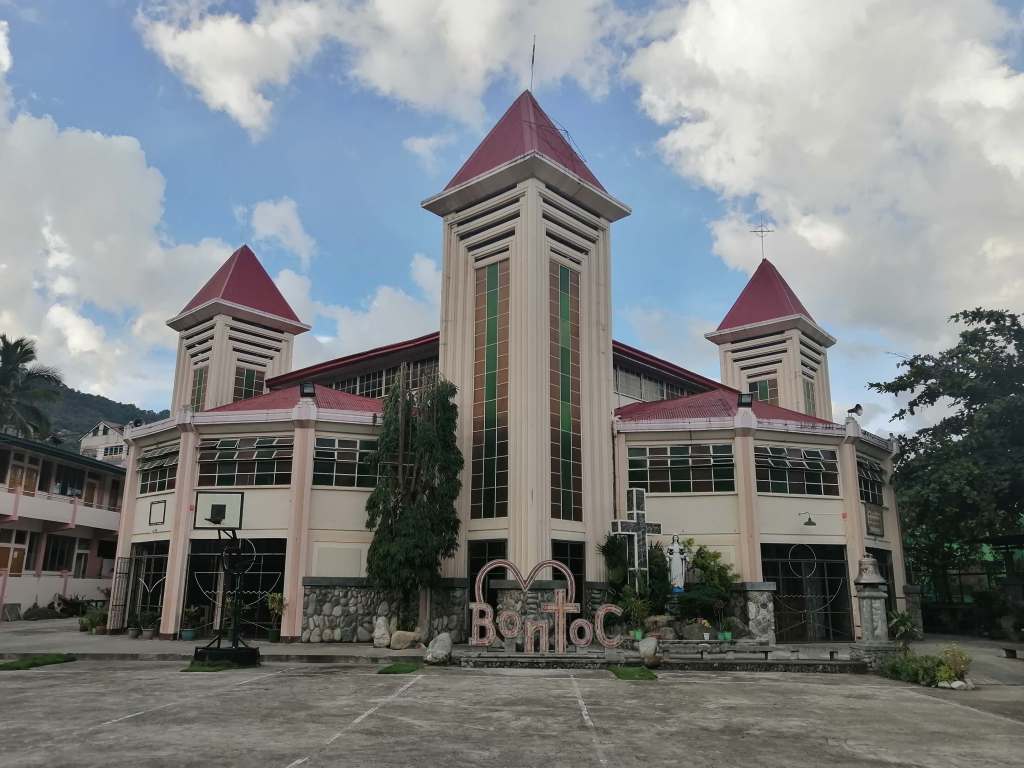
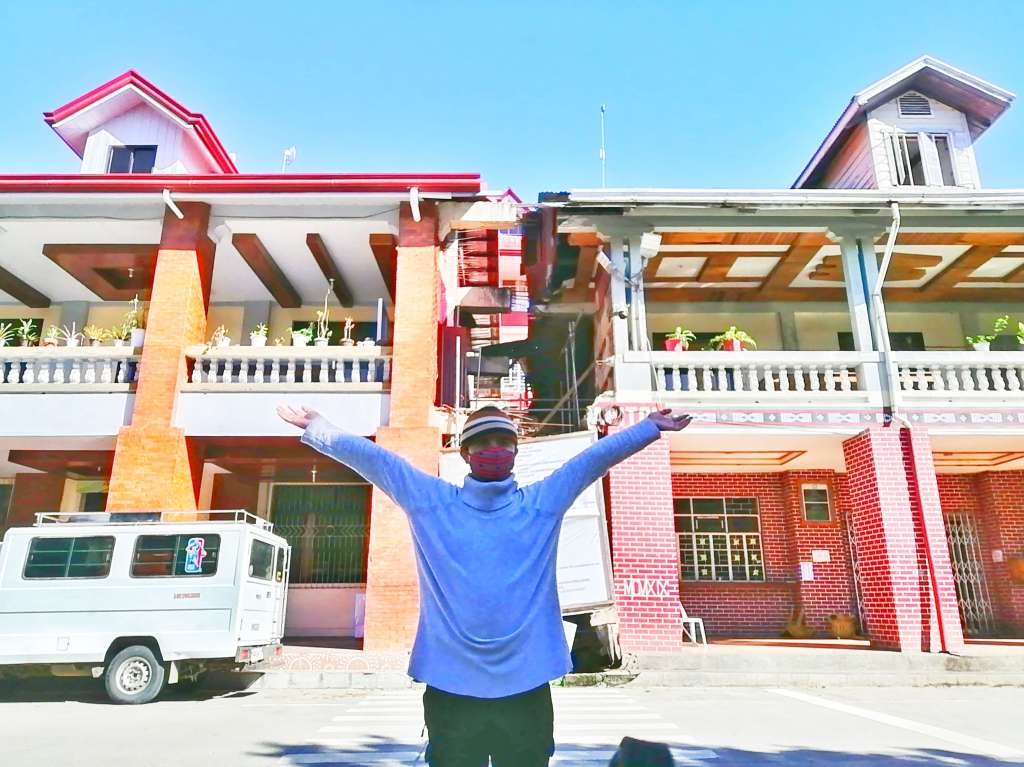

Bontoc is home to the Bontoc tribe, a feared war-like group of indigenous people who actively indulged in tribal wars with its neighbors until the 1930s.


It was founded by a Belgian nun to preserve the history and heritage of the indigenous peoples of the Cordillera region, collectively known as the Ipugao (or commonly spelled Ifugao; the Tagalog call them Igorot). The museum’s collection includes traditional costumes, hunting and farming tools, and turn-of-the-century photographs of the Ifugao, headhunter warriors and their prizes, and American missionaries trying to convert the natives. Also on display are centuries-old Chinese ceramics and archeological objects found in Cordillera caves. The museum’s architecture is modeled on the old Bontok hut with a pointing roof.
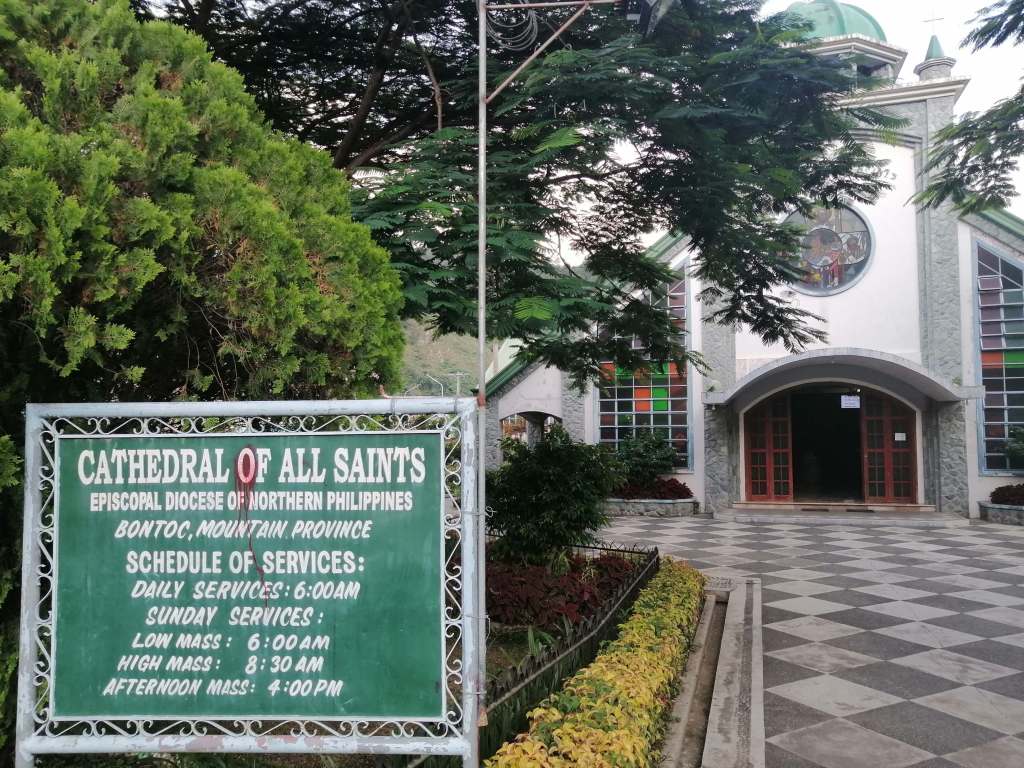
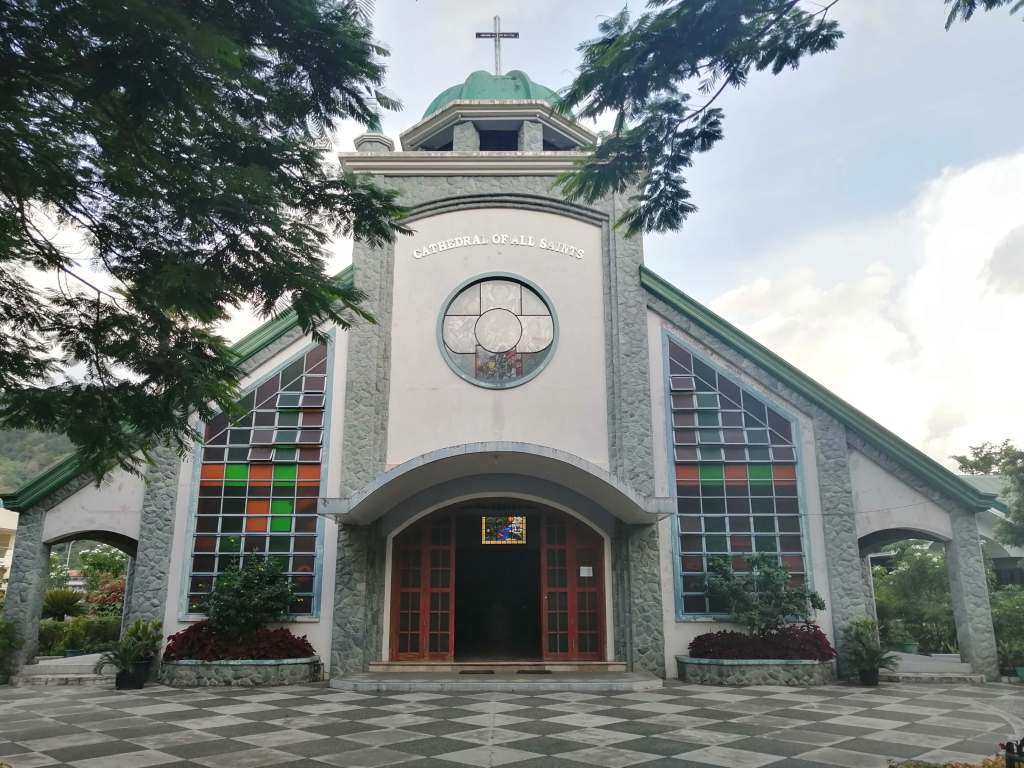

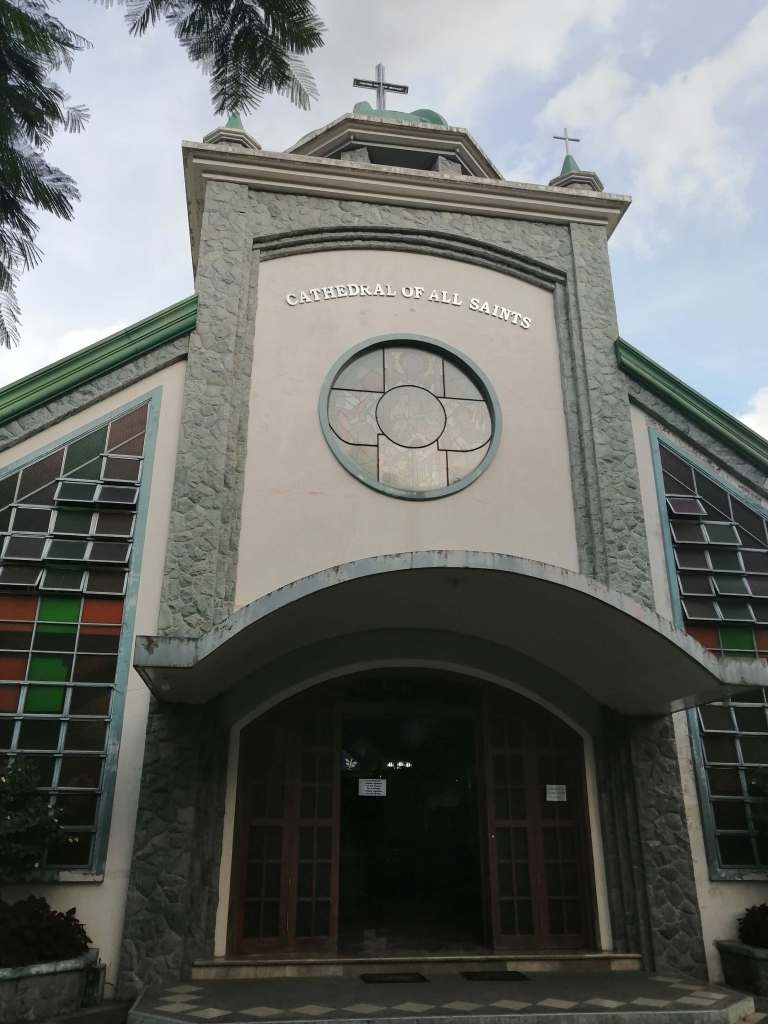
The Diocese of Northern Philippines then had twelve provinces under its jurisdiction: Abra, Aurora, Batanes, Cagayan, Ifugao, Ilocos Norte, Ilocos Sur, Isabela, Kalinga-Apayao, Mountain Province, Nueva Viscaya and Quirino Province.


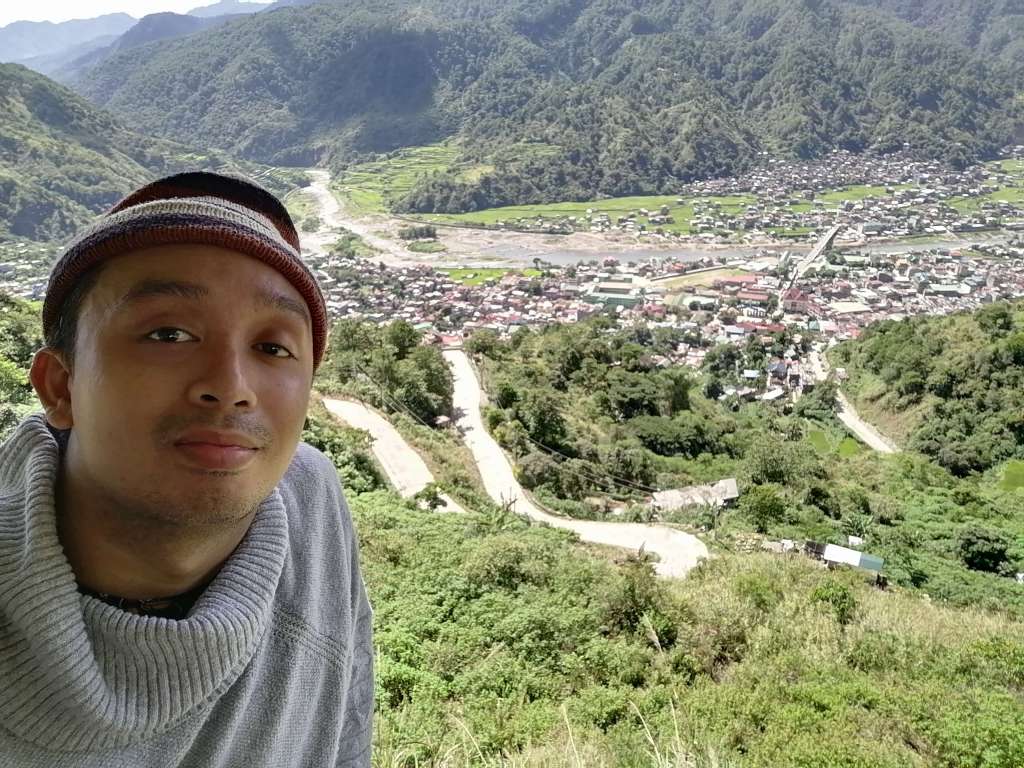




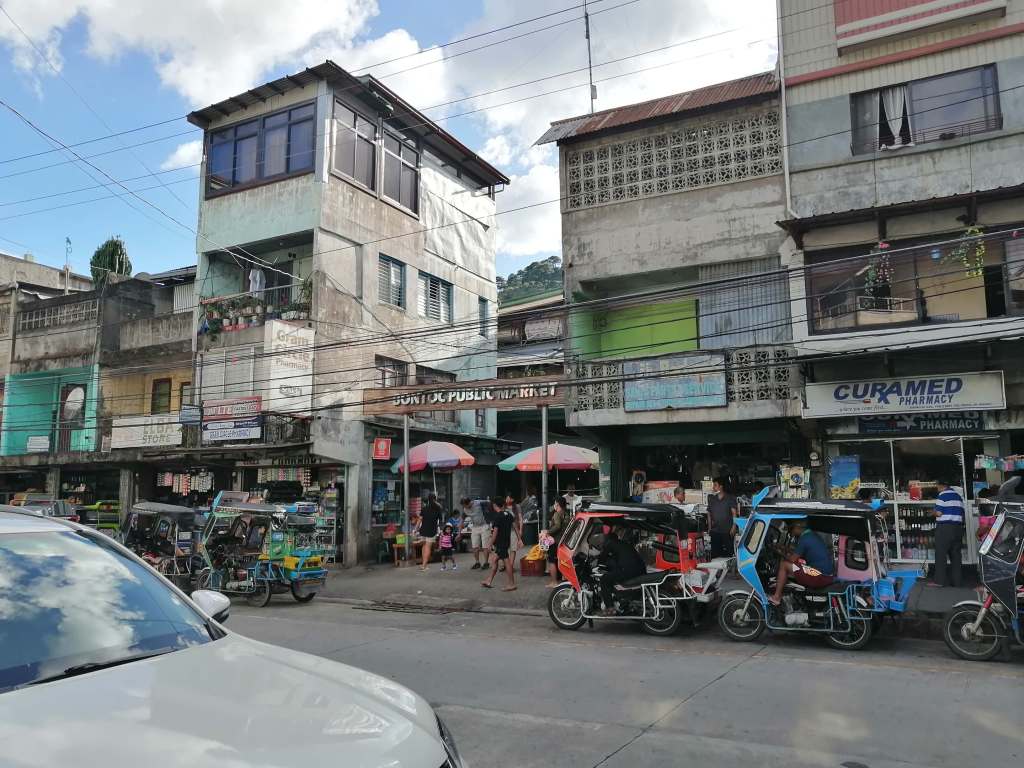


#FindYourselfInTheCordilleras 😁 (n_n)
 Ben Goes Where