Through the zeal of the first missionaries of spreading the Catholic faith, they also helped in founding most of the towns of Cavite province. Among the religious orders that Christianized the Caviteños were the Franciscans, the Recollects, the Dominicans and the Jesuits. They established their first center of faith in Cavite Puerto (now Cavite City). The Catholic faith first came to Imus in 1571, then in Silang in 1581, in Cavite Viejo (now Kawit) in 1587, in Maragondon in 1611, Indang in 1655, Ternate in 1700 and in San Francisco de Malabon (now General Trias) in 1758. As early as 1614, Cavite became a politico-military province.
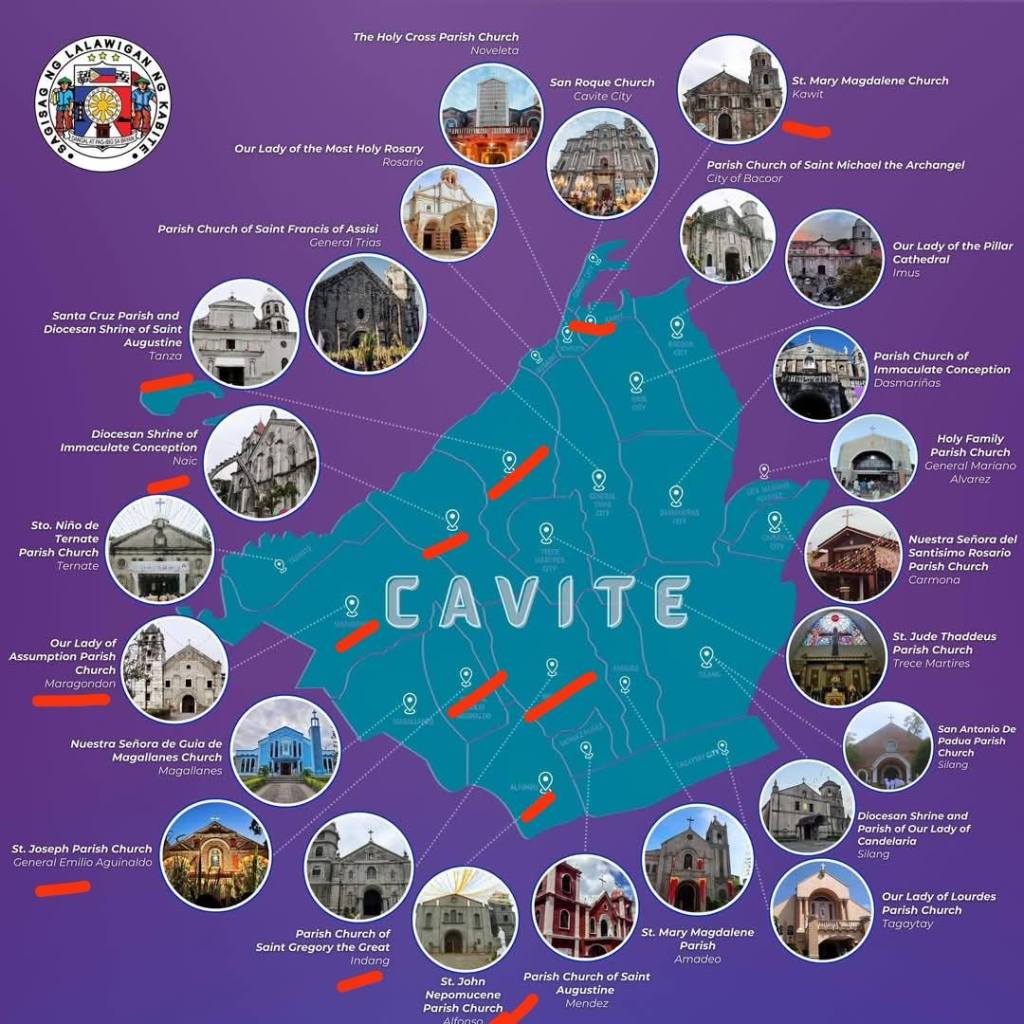
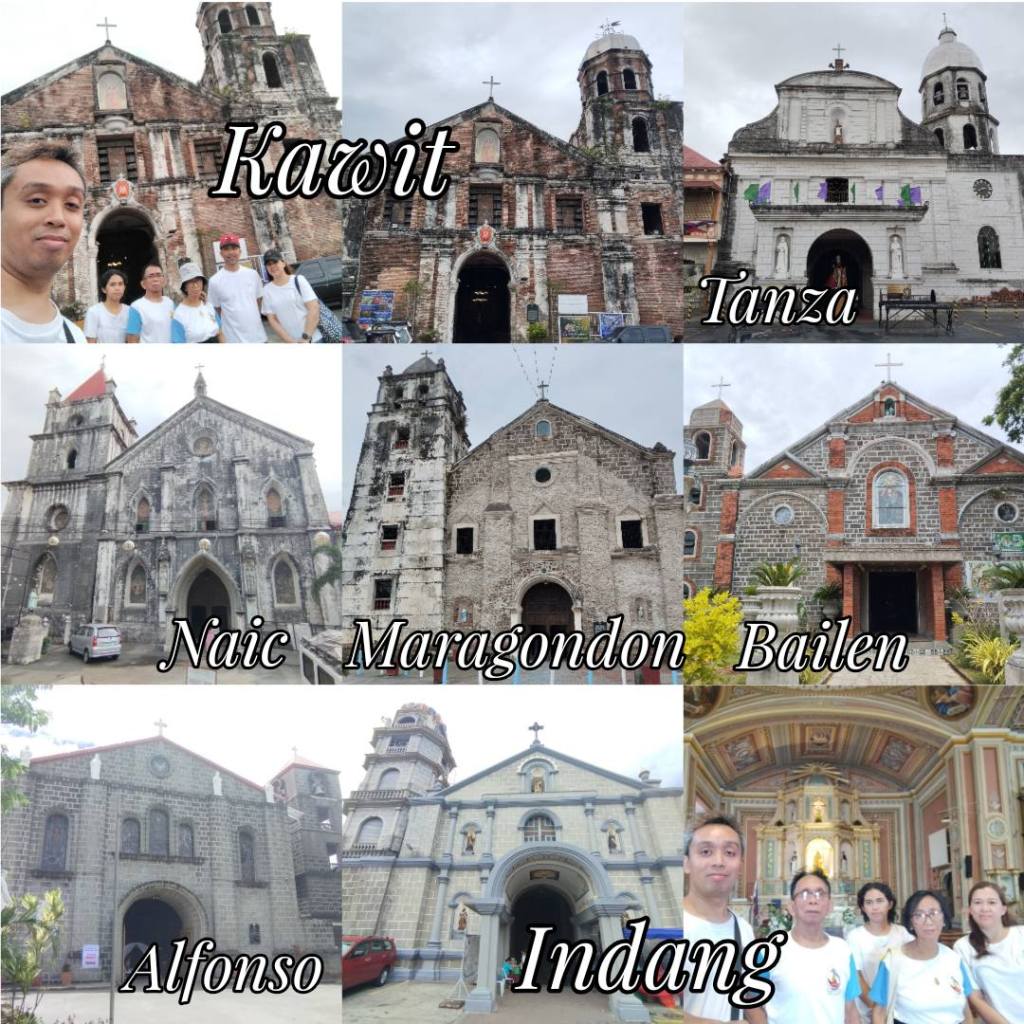
The province of Caviteis located in the southwestern part of Luzon. It is hemmed at the south and southwest by Batangas, at the east and northeast by Laguna, and at the west and northwest by Manila Bay. The province received its name from the Tagalog word “Kawit,” meaning fish hook, which is descriptive of the fish hook-like formation of the peninsula extending from the present day Kawit to the present-day Cavite City. As I checked on its municipalities from my previous travels to Cavite province, we revisited the heritage churches or what we had visita iglesia starting from the northern town of Kawit up to the inland municipality of Indang. There are interesting heritage churches you may visit along the way. I’m happy because visita iglesia turned out to be a yearly tradition of our family. At the same time, it is our bonding moment exploring other provinces out of our home province, Rizal.
The Diocese of Imus (Latin: Dioecesis Imusensis; Tagalog: Diyosesis ng Imus; Spanish and Chavacano: Diócesis de Imus) is a Roman Catholic diocese in the Philippines that comprises the entire province of Cavite. By the virtue of the apostolic constitution Christi Fidelium, promulgated by Pope John XXIII, the diocese was canonically erected on November 25, 1961. Imus Cathedral, located along General Castañeda Street in the poblacion of Imus, serves as the see of the diocese. It is one of twelve cathedrals founded by the Order of Augustinian Recollects in the Philippines.
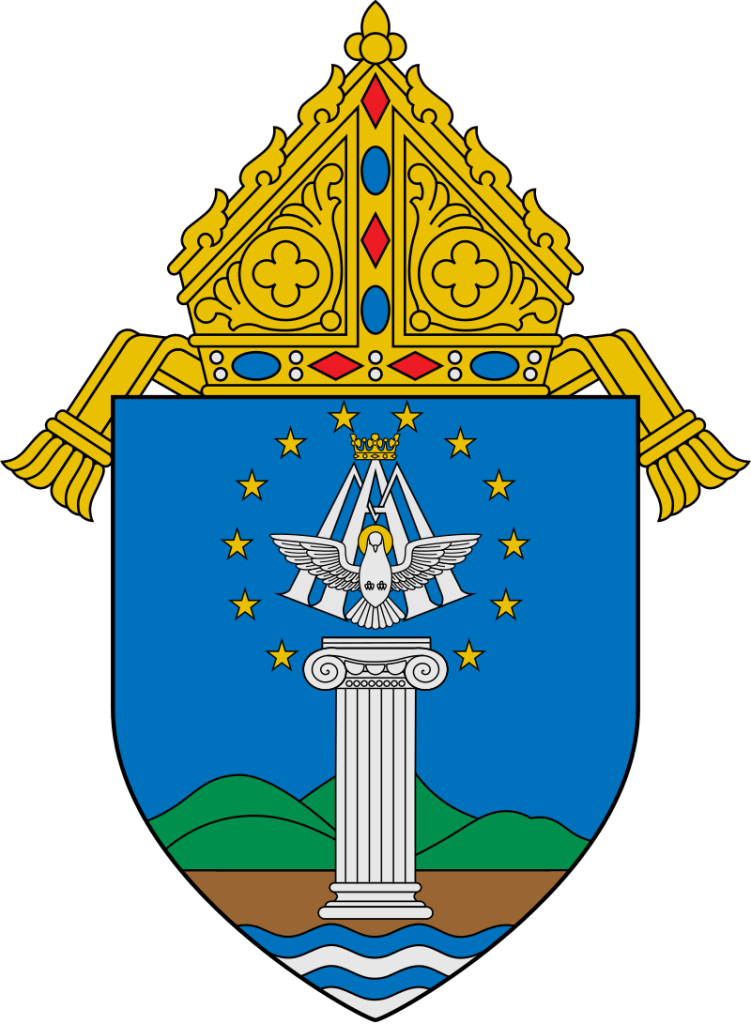
Coat of arms of theRoman Catholic Diocese of Imus Prominently placed at the center is the Blessed Virgin Mary under her title, Our Lady of the Pillar, the patroness of the Diocese of Imus According to tradition, the Our Lady of the Pillar encouraged the weary apostle, St. James the Greater, to be faithful to the mission he had received from our Lord Jesus. The stars surround the Ave Maria remind us of the Woman with Child in the Book of Revelation (Rev. 12:1). Mary is the star that guides us in our journey to our Lord Jesus Christ. The dove symbolizes the Holy Spirit in whose power the Virgin Mary conceived her Son. The blue sky depicts both the Queenship of Mary and the bright morning of freedom for the Filipino nation declared in Kawit, Cavite The Diocese of Imus commits itself to the pursuit of the true freedom of God’s children. The green hills and mountains of the richness and beauty of Cavite’s natural terrain. The Diocese of Imus is committed to the caring for God’s creation, especially human life and the human person. The shores of Cavite have welcomed and sent countless missionaries in the history of evangelization in the Philippines. The seas of Cavite do not only provide food and livelihood but also vast vistas for mission.
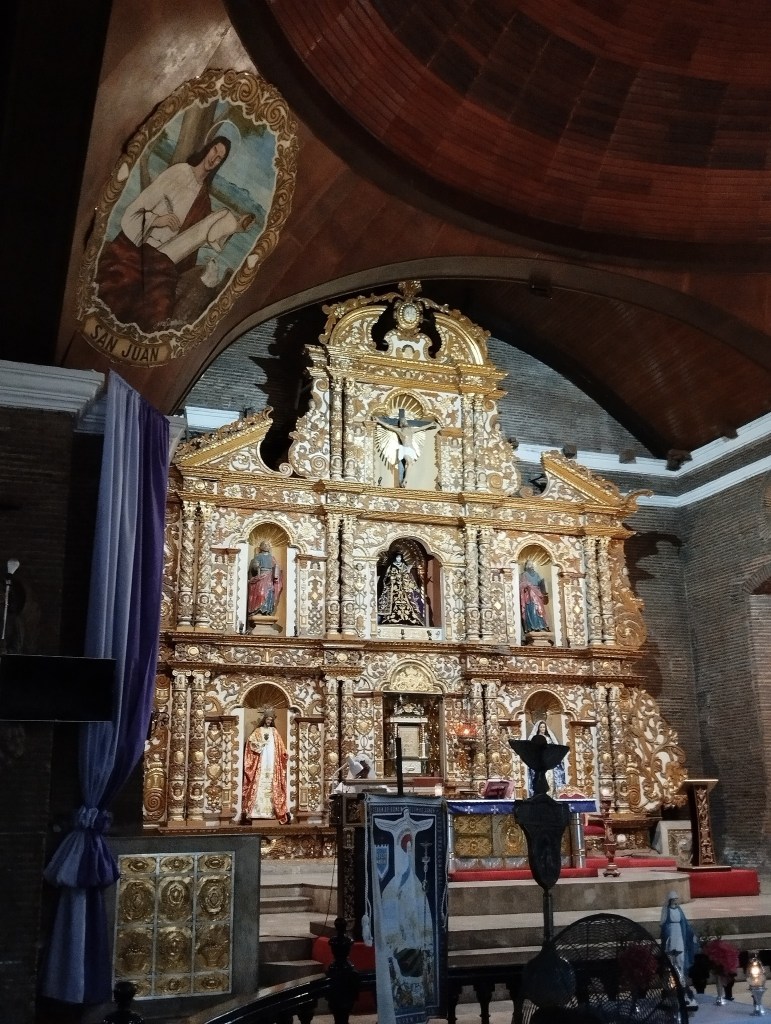
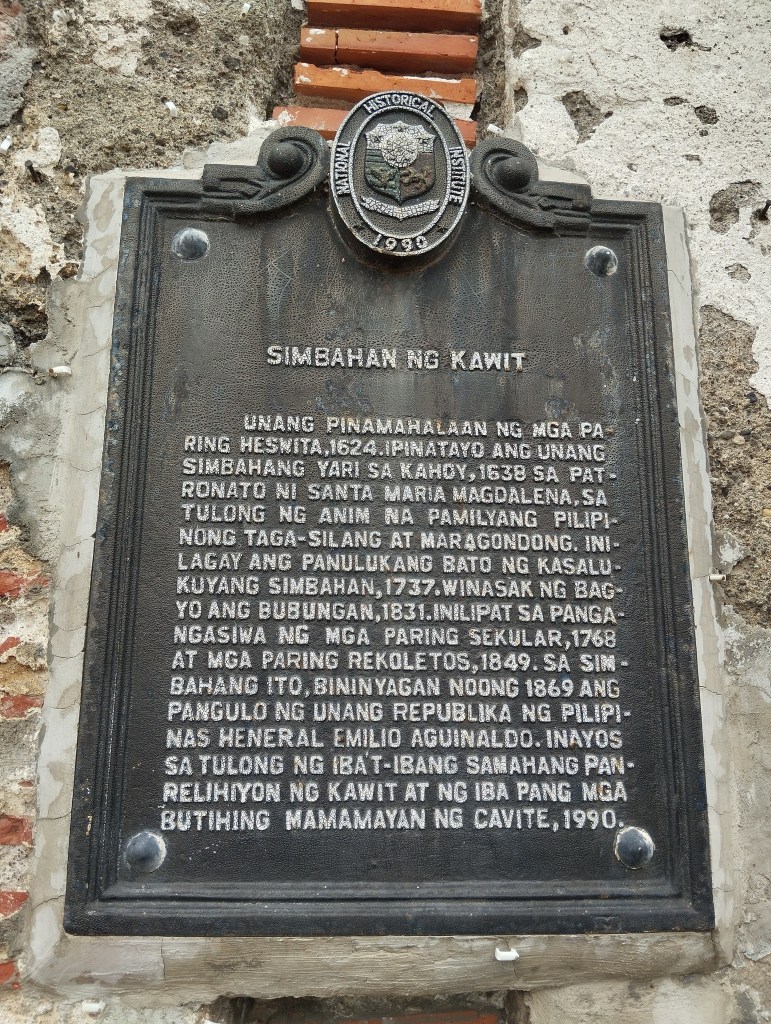
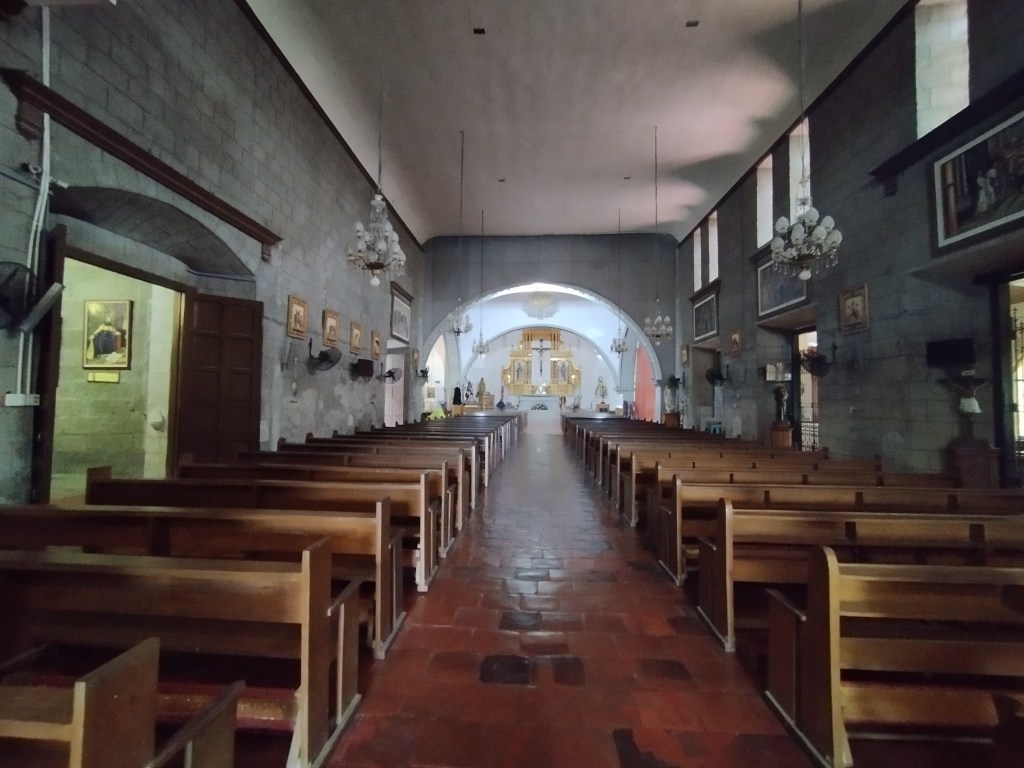
The Diocesan Shrine and Parish of Saint Mary Magdalene, commonly known as Kawit Church, is a Roman Catholic church in Kawit, Cavite in the Philippines. It is the parish church of the municipality of Kawit, and is under the jurisdiction of the Diocese of Imus. The church is one of the oldest in the Philippines, having been built in 1737. It is dedicated after Jesus’ disciple Mary Magdalene.
The Jesuits first came to Kawit in 1624 to spread Christianity. The first church in the area was constructed in 1638 using wooden materials through the help of six native families from Maragondon and Silang. Kawit, which was formerly known as Cavite el Viejo during Spanish occupation, was frequented by Spanish marines, which led to the town gaining the reputation of being a “red-light district”. In response, the Archbishop of Manila, Miguel Garcia Serrano ordered the dedication of the church to St. Mary Magdalene, who became the patroness of the town.
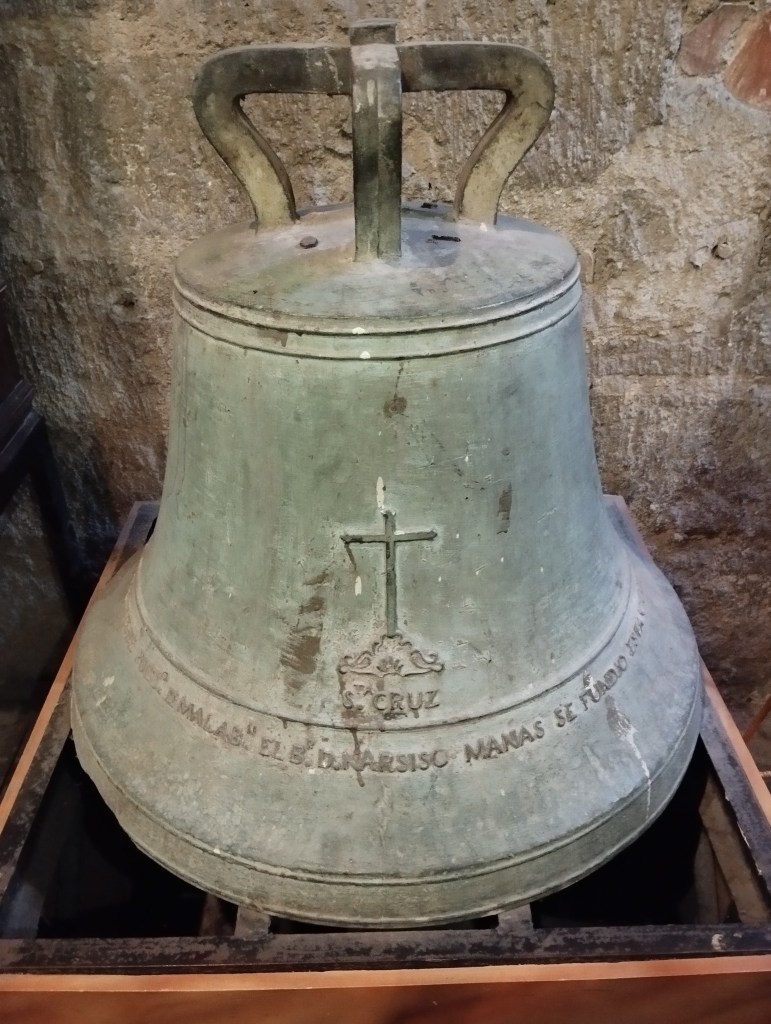
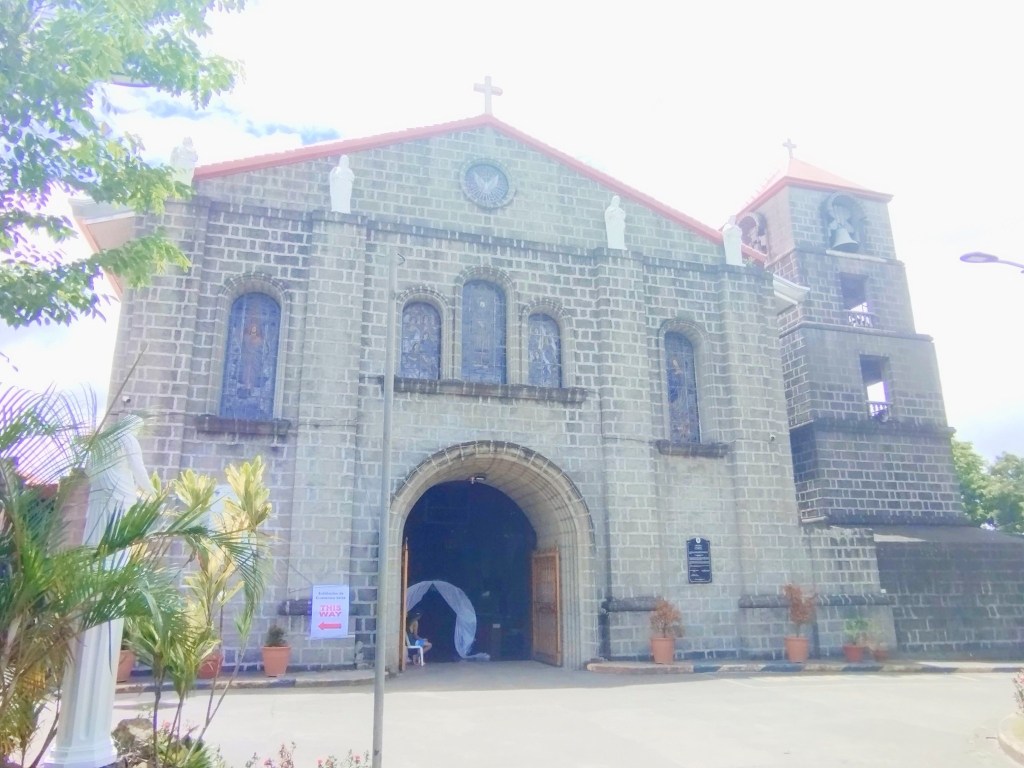
The Diocesan Shrine of San Agustin and Parish of Santa Cruz, commonly known as Holy Cross Parish or the Parish of Santa Cruz, is a Roman Catholic church in the municipality of Tanza, in the province of Cavite, Philippines. The shrine is under the jurisdiction of the Diocese of Imus.
The patron saint of the town is Augustine of Hippo commonly known as “Tata Usteng”. The Holy Cross serves as the titular patron. The town patronal feast is celebrated annually every August 28.
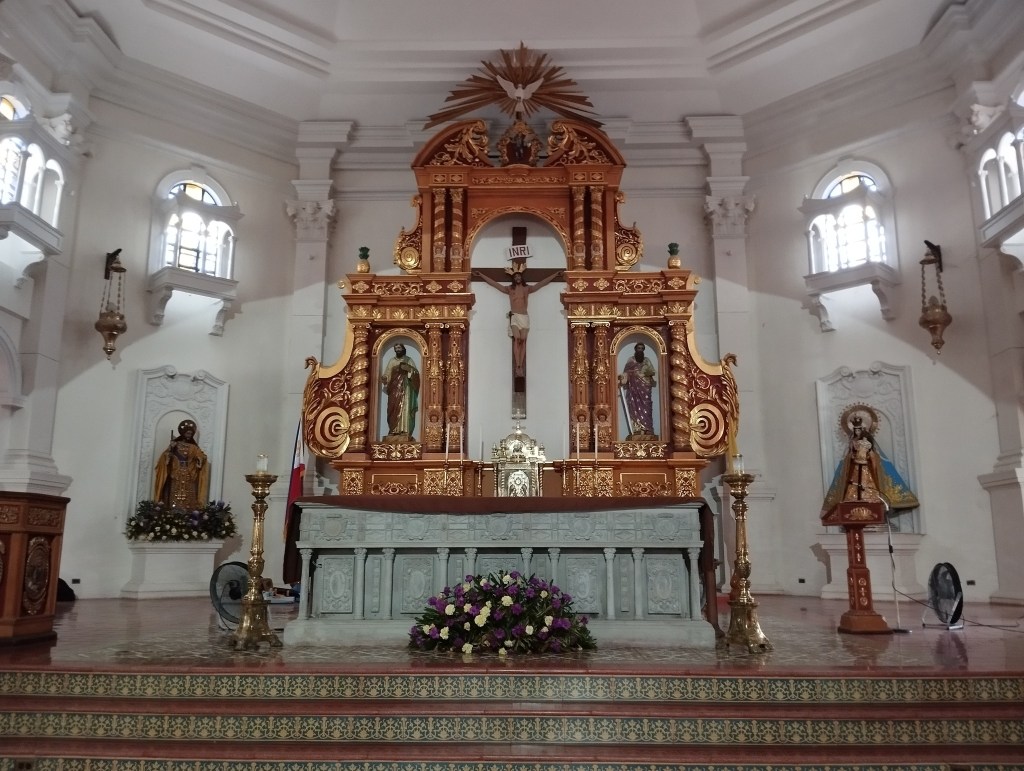
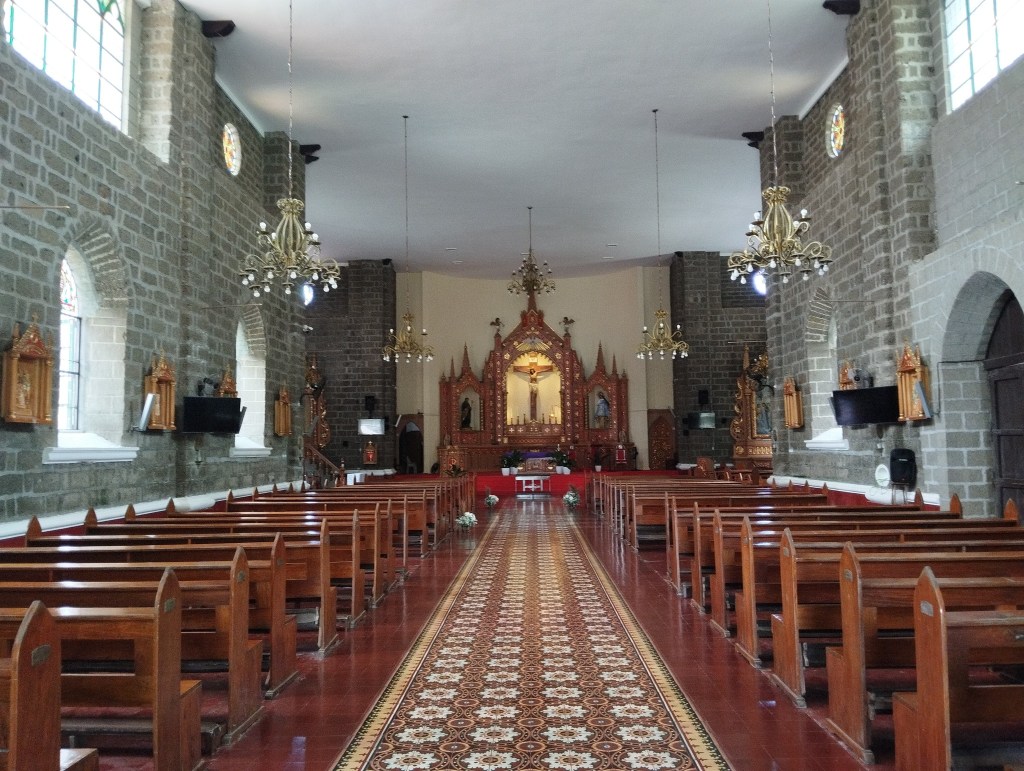
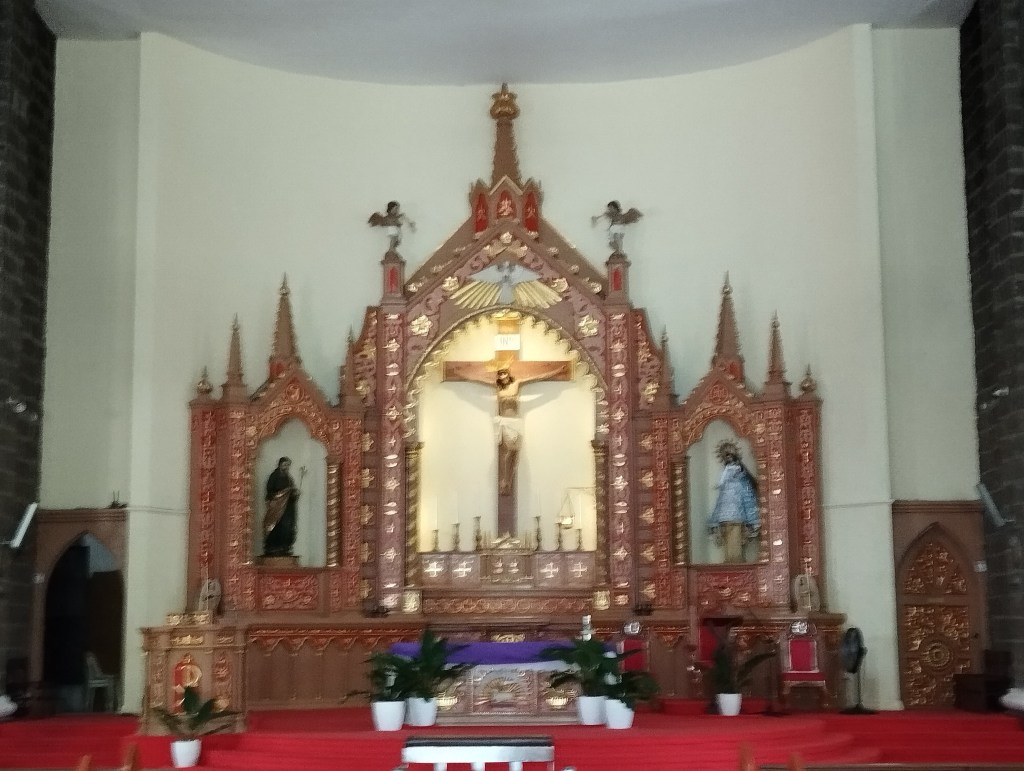
The Diocesan Shrine and Parish of the Immaculate Conception Church, commonly known as Naic Church, is a Roman Catholic church located in the municipality of Naic in Cavite, Philippines. It is under the jurisdiction of the Diocese of Imus. The church was constructed during the 1800s. When the friars discovered that the land at Naic was fertile, they became interested in settling there. It eventually led them to build the administration building of Casa Hacienda, presently occupied by the Naic Central School. Casa Hacienda de Naic is the only casa hacienda administered by friars in the Philippines that is still in use.
The present church was built in the 17th century. Before the World War II, the Naic Church was built along the semi-Gothic architecture. It was one of the tallest (about five storeys high) and the longest (almost ten blocks long) in the province of Cavite. It was second to the Imus Cathedral in width. Three major altars and two minor altars were founded in its interior. The Very Venerated Image of the Immaculate Concepcion, Patron Lady of Naic, was located in the main altar.
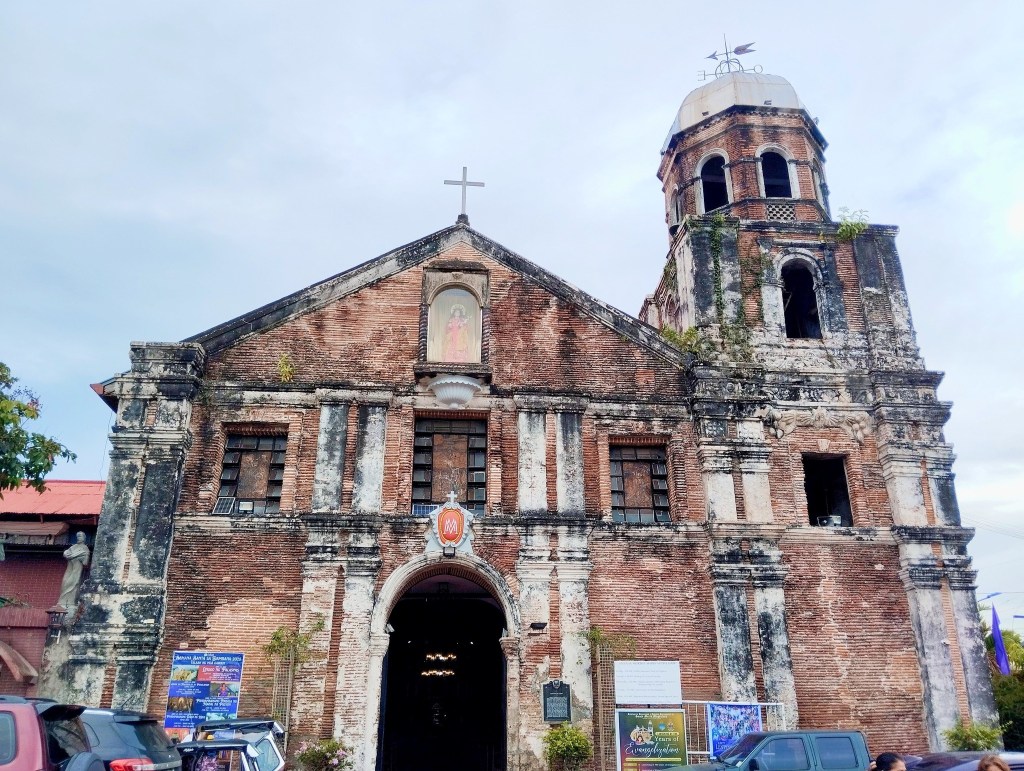
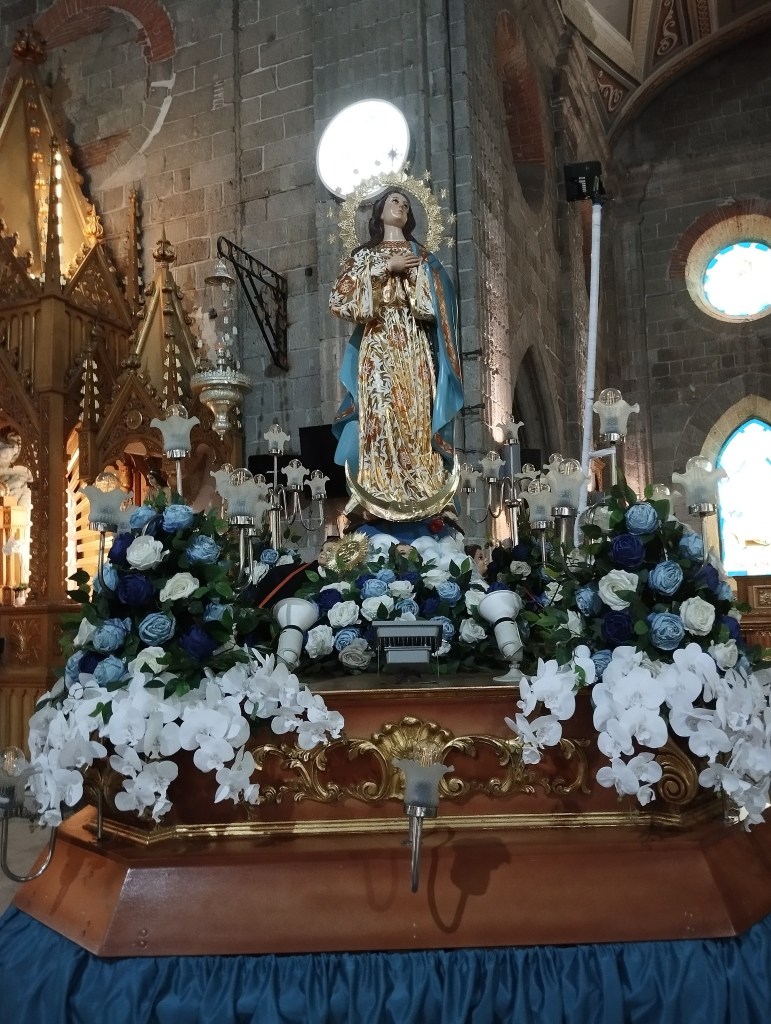
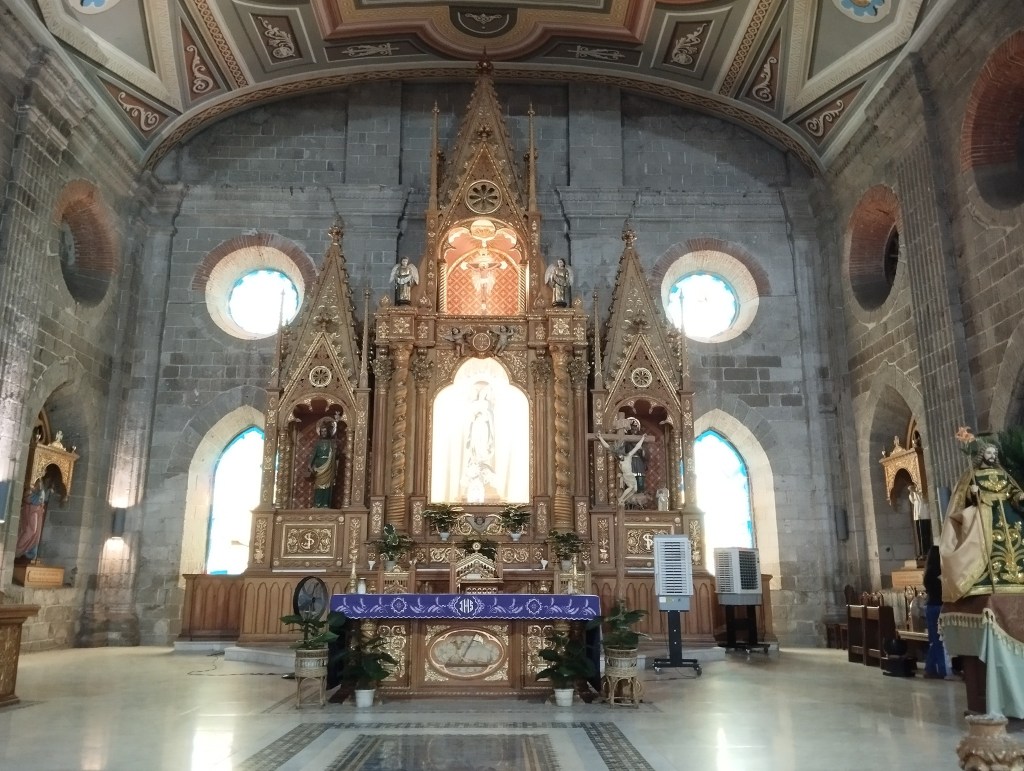
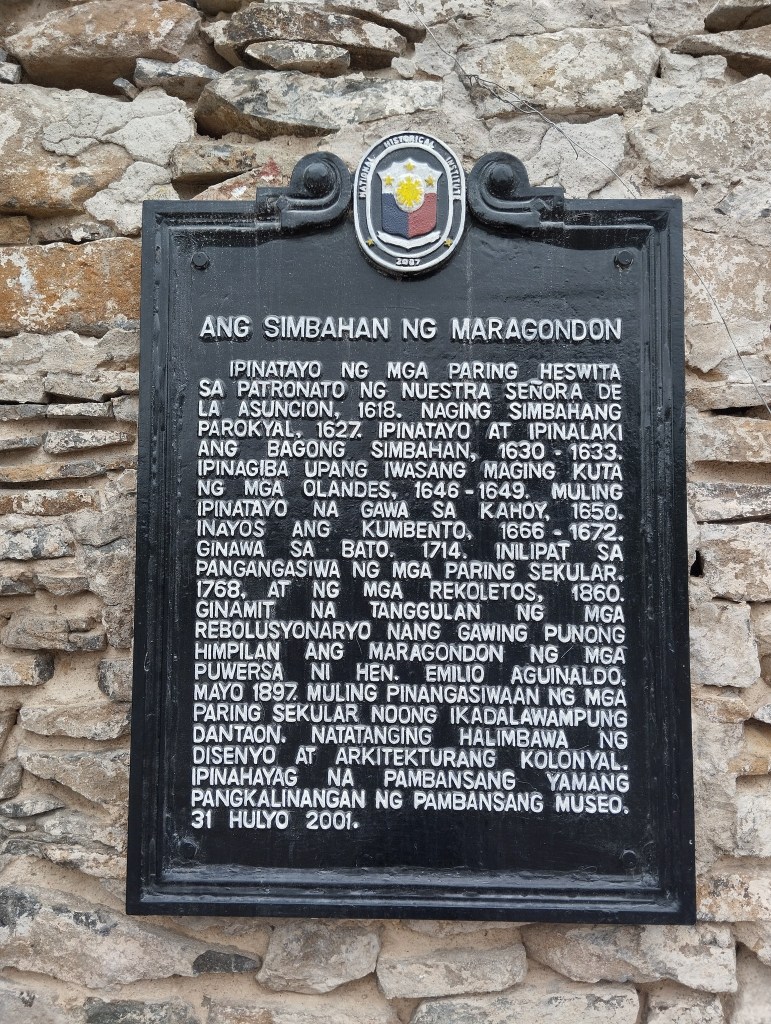
Our Lady of the Assumption Parish Church, commonly known as Maragondon Church, is a Roman Catholic church and the only heritage structure in the municipality of Maragondon, Cavite, Philippines declared by the National Museum as a National Cultural Treasure. It is under the jurisdiction of the Diocese of Imus.
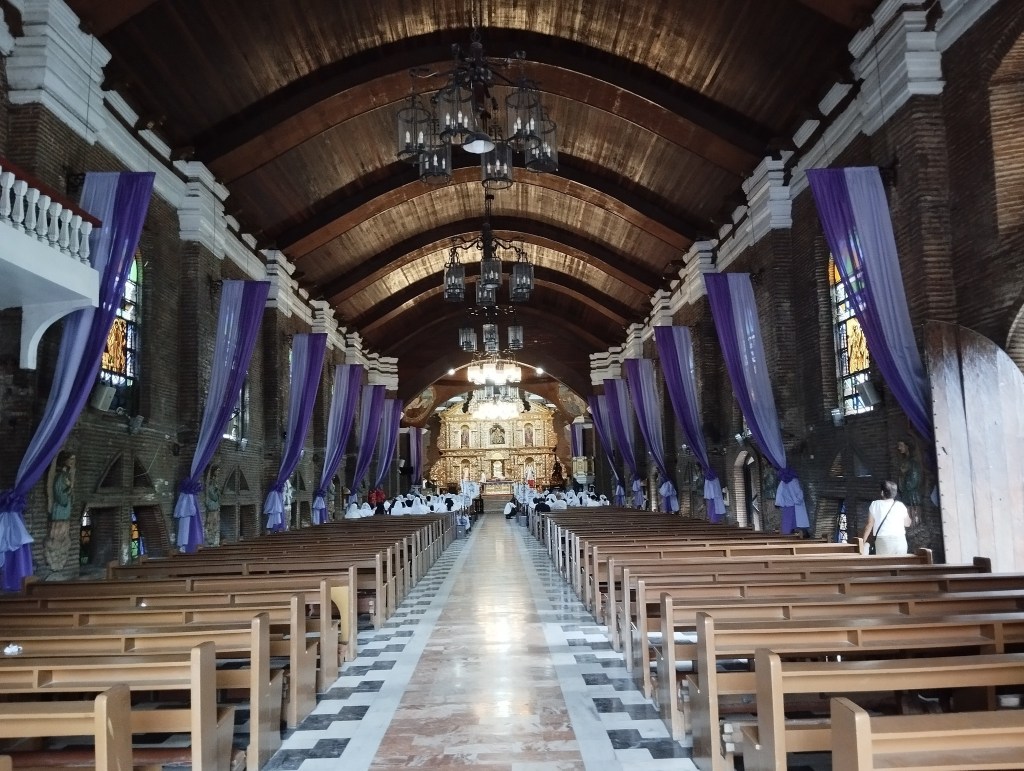
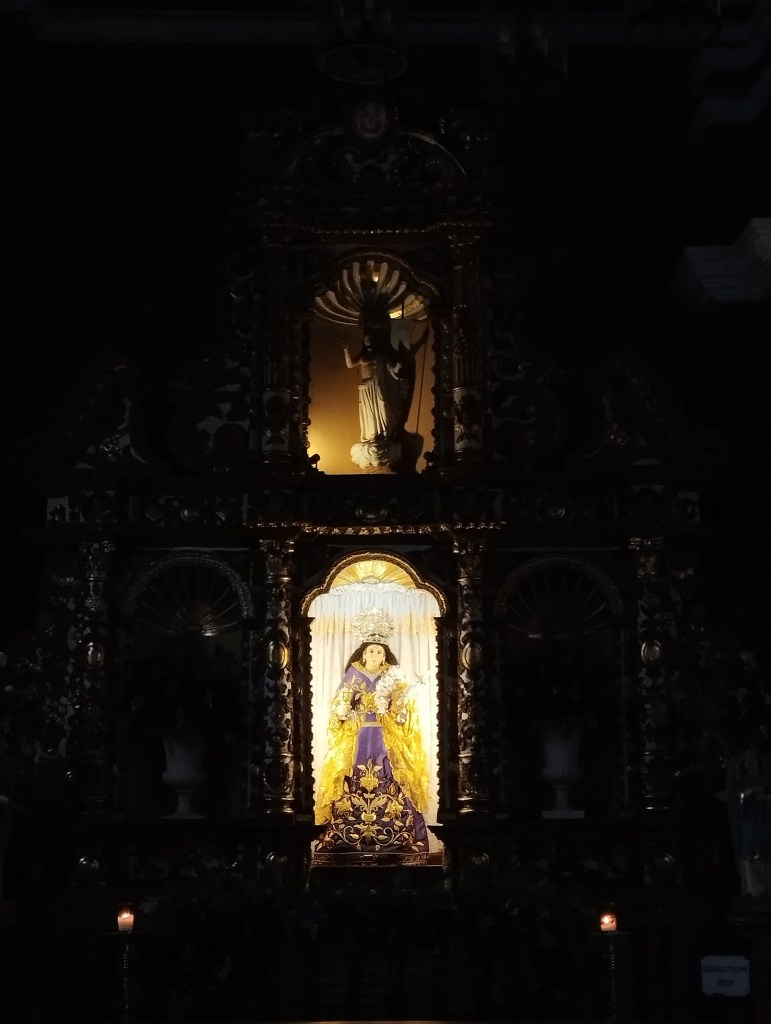
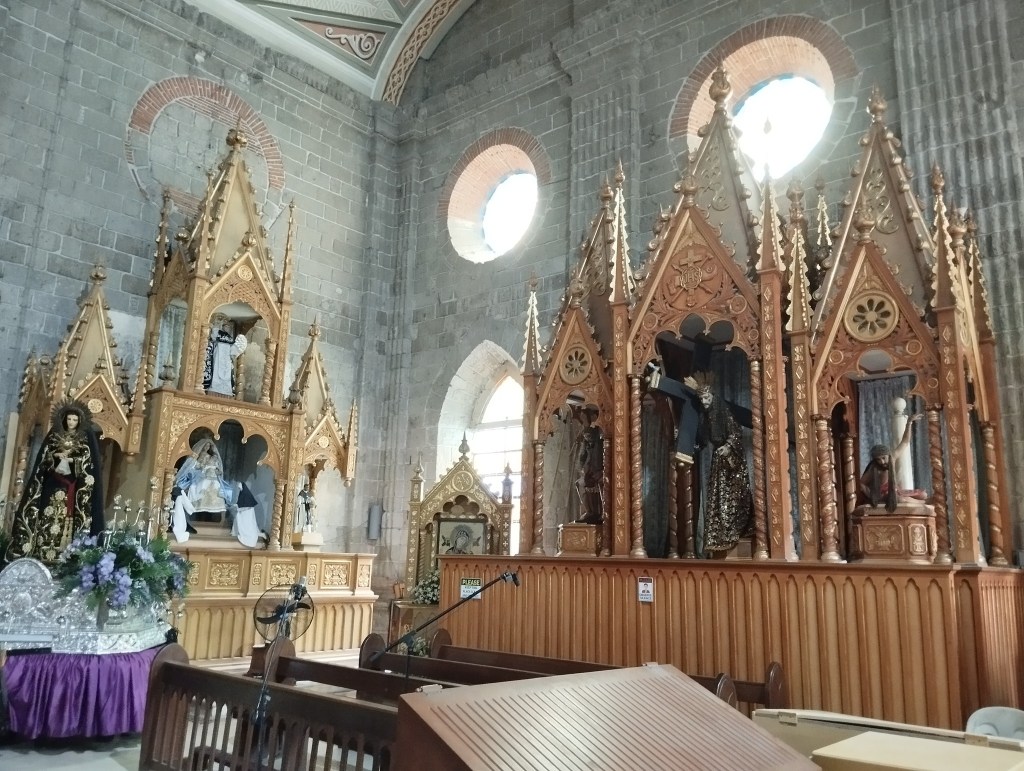
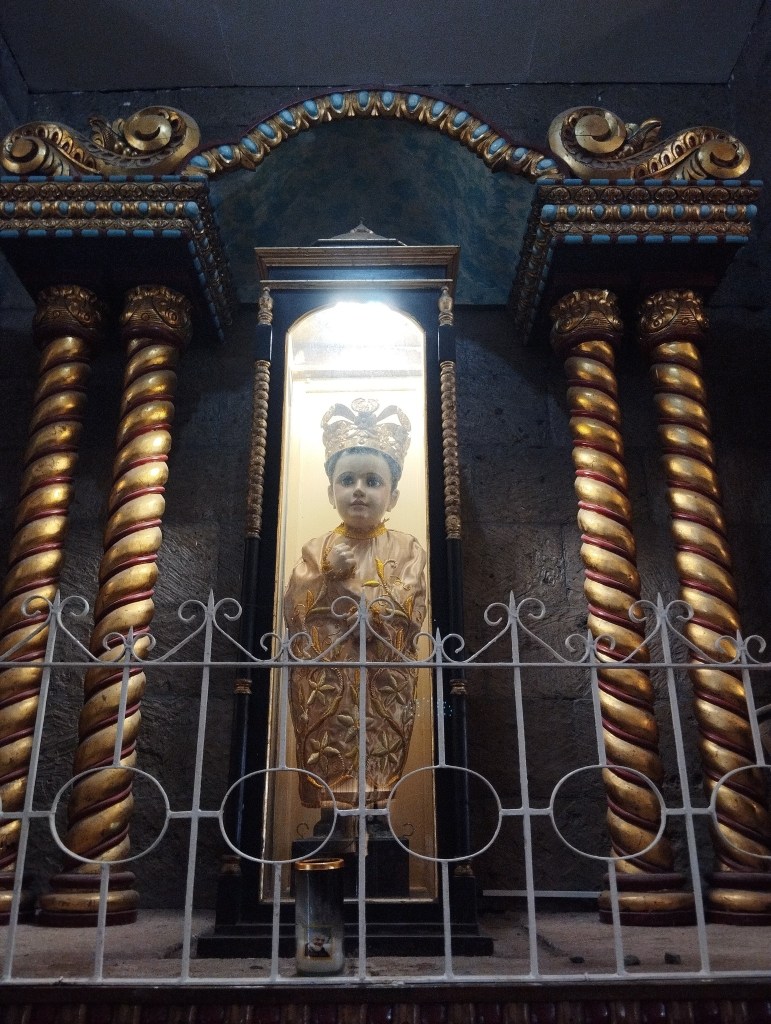
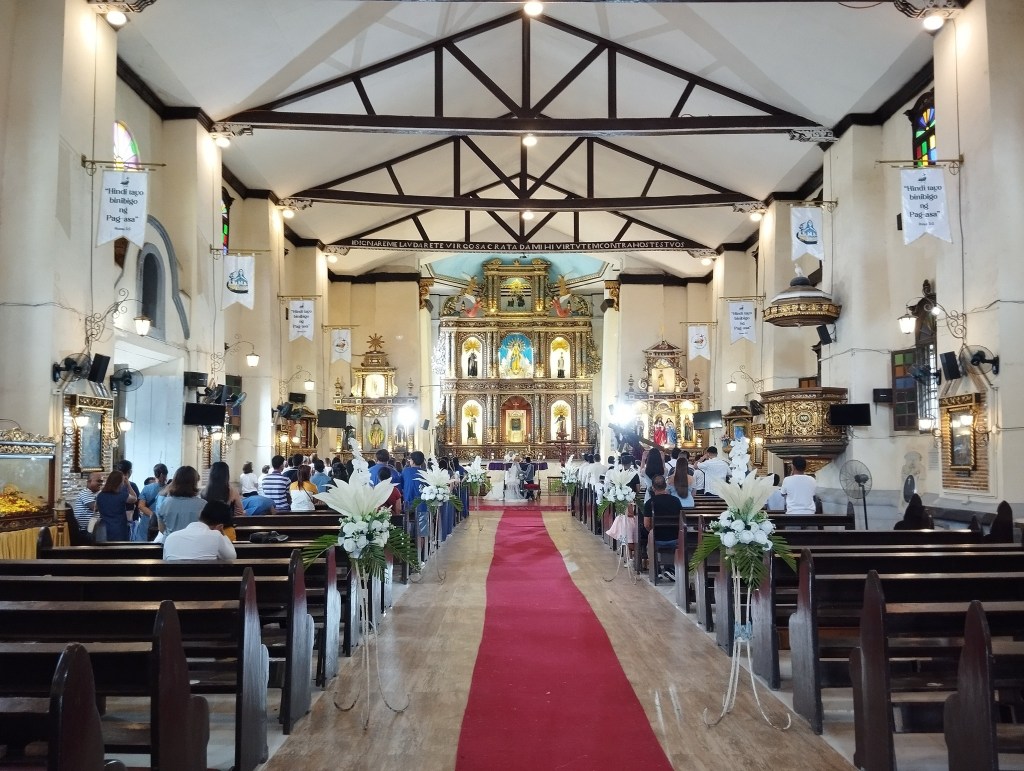
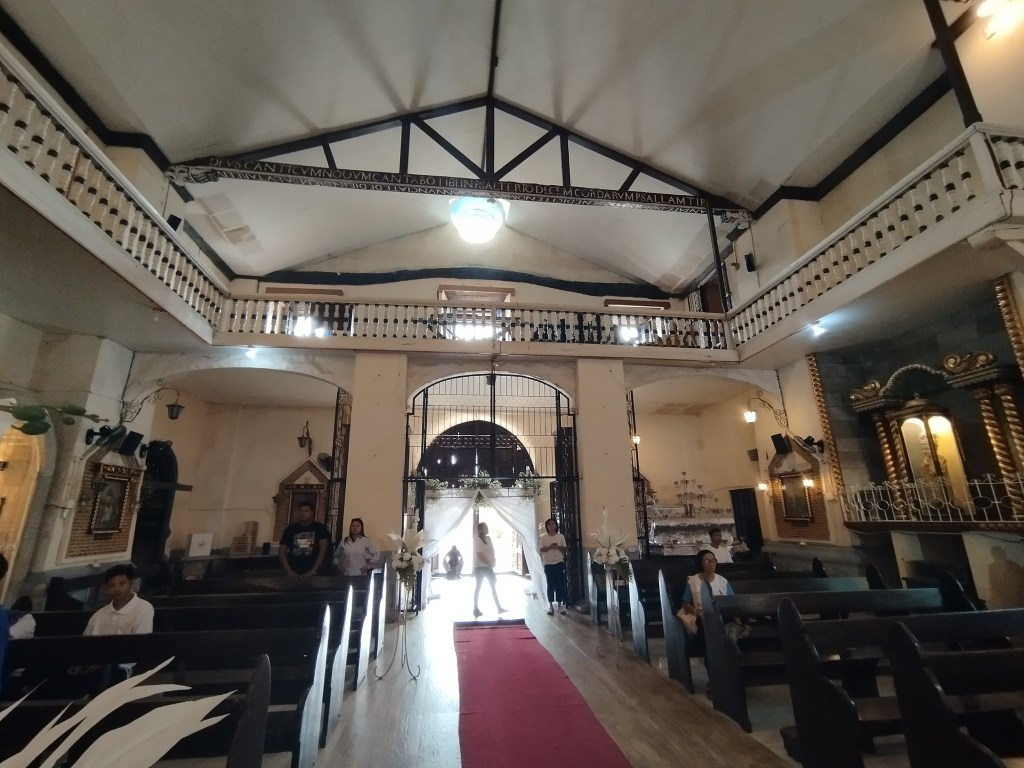
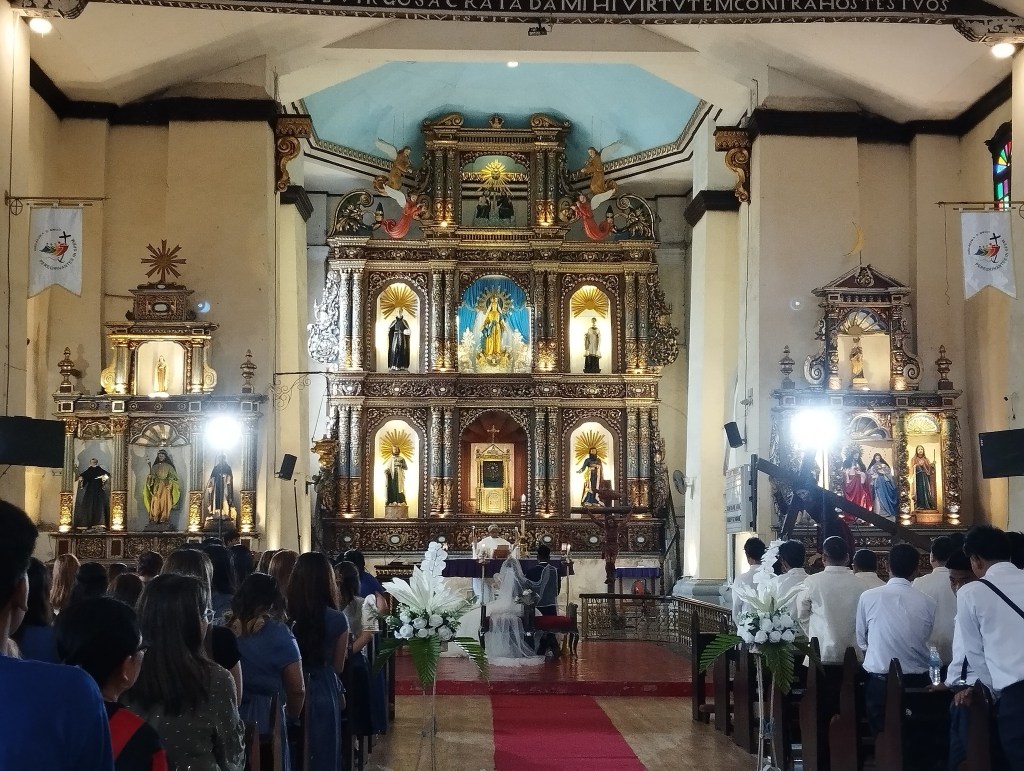
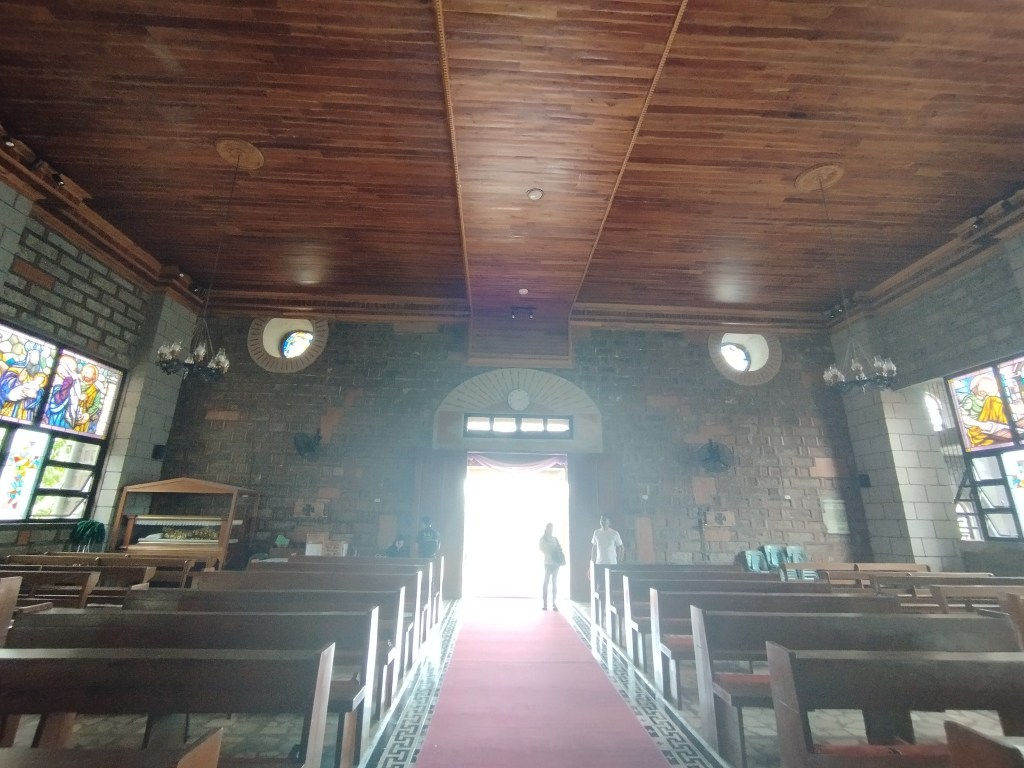
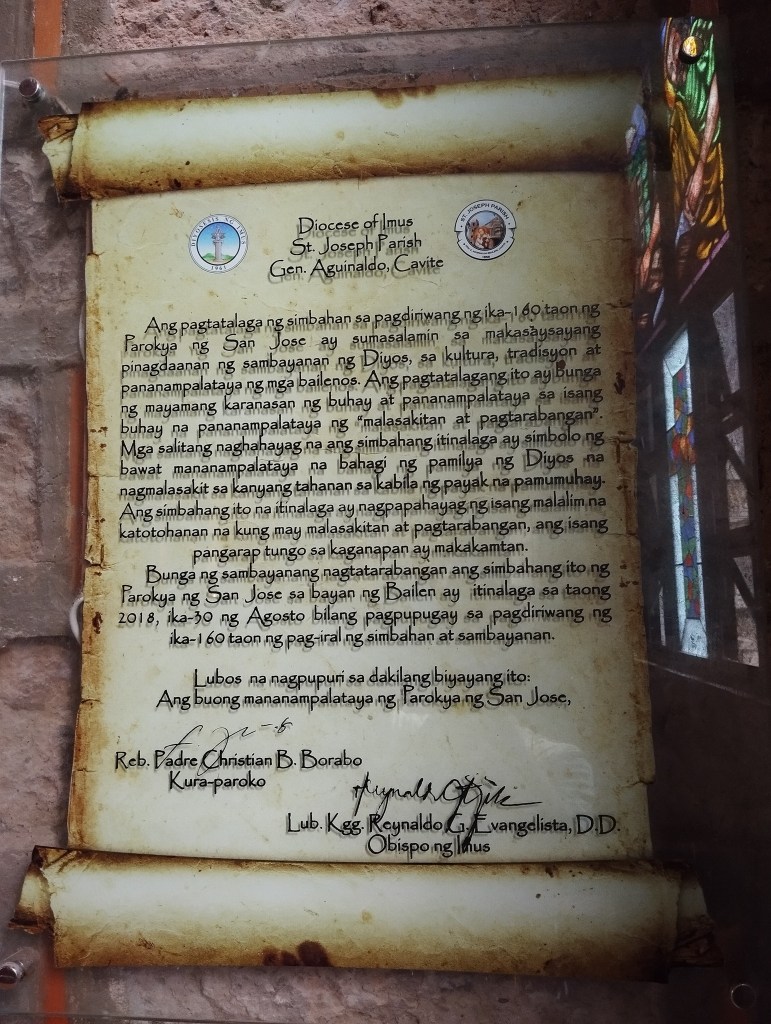
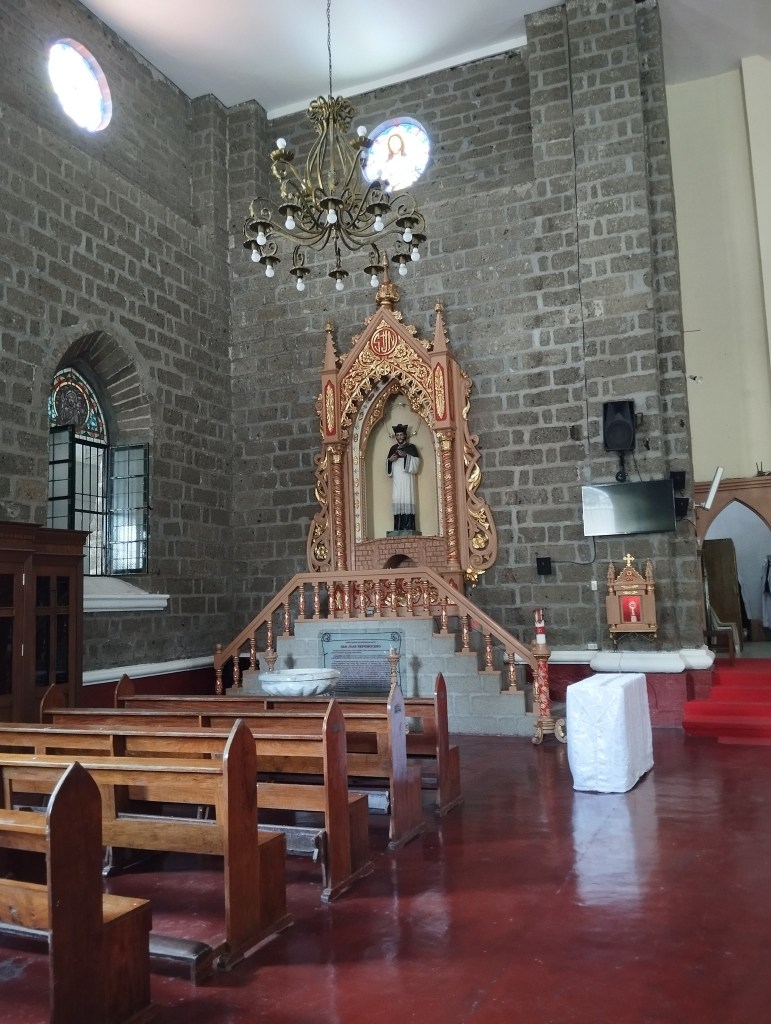
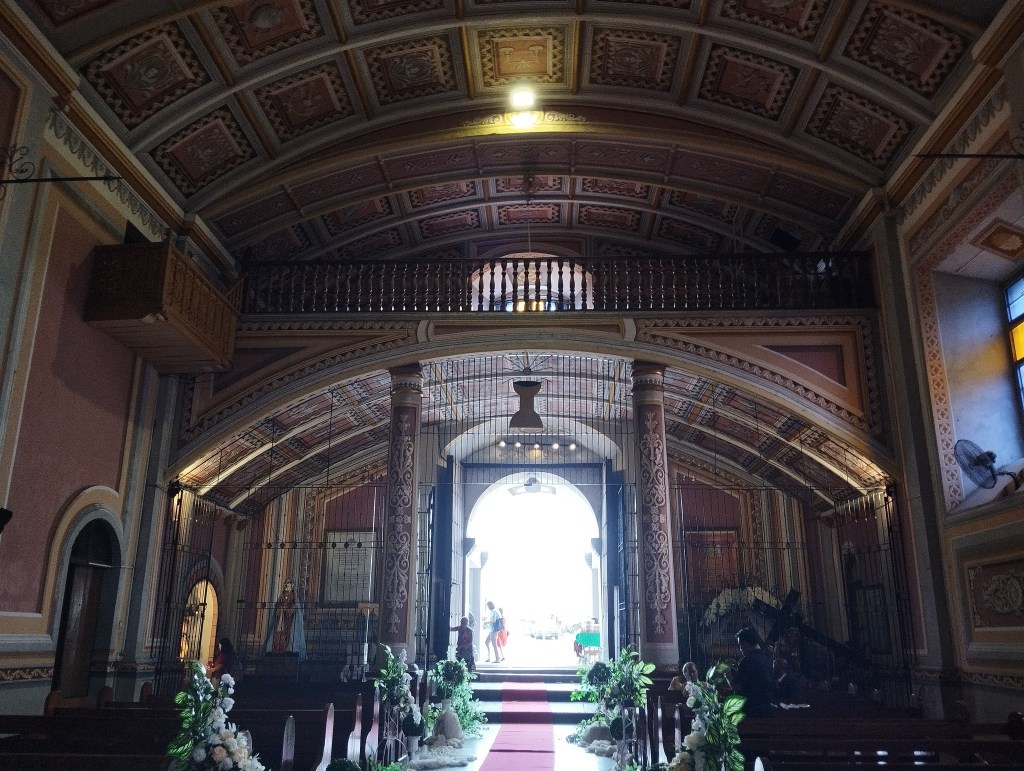
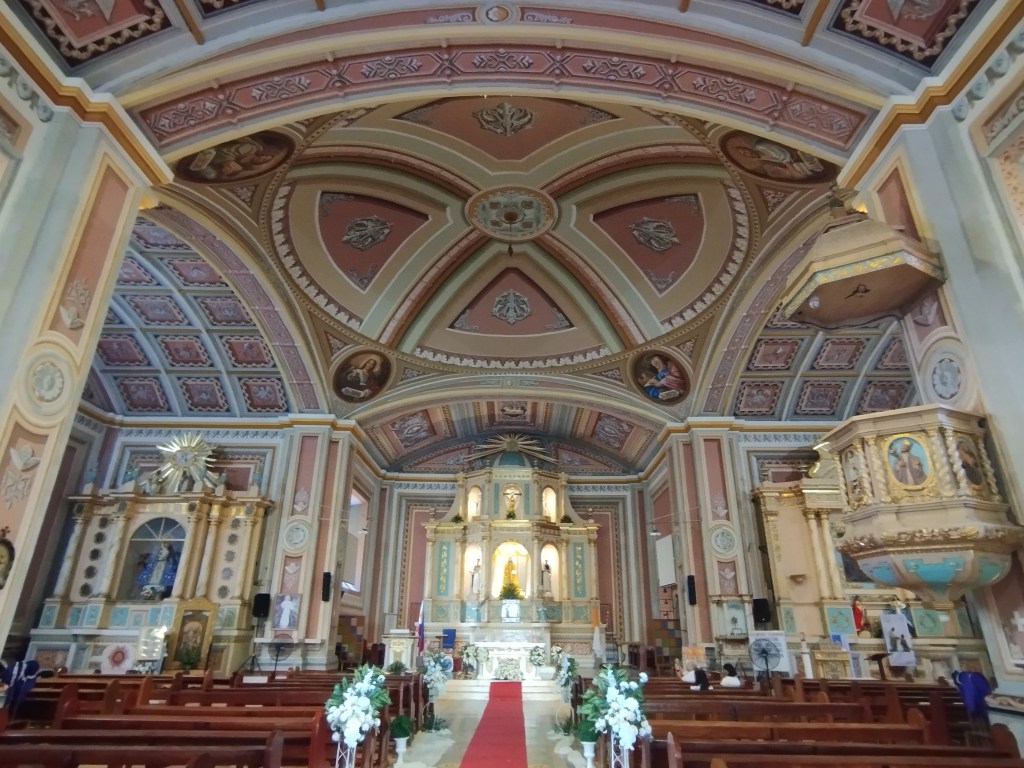
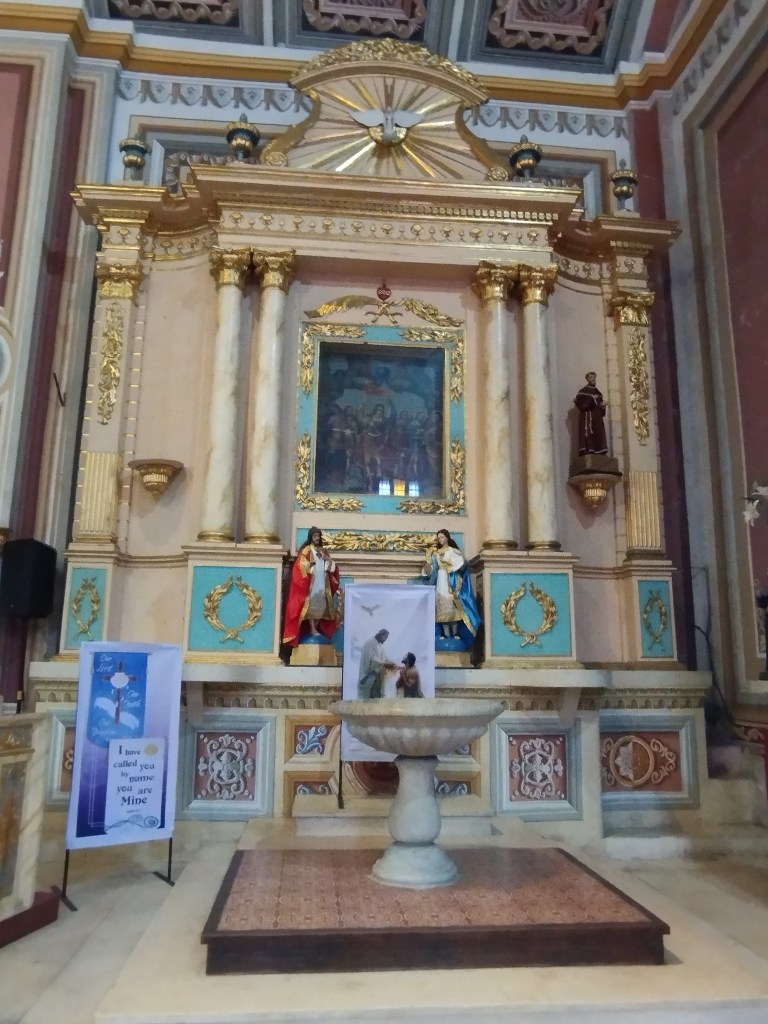
Maragondon is unique among Jesuit churches for its proportion. The façade is narrow but tall, not squatty as in other churches. To the left of the façade is the taller bell tower with no clear divisions between the stories. The bell tower has a quadrilateral shaft that tapers upward with four corners ending with finials. There are three church retables, all brightly polychromed. The image of the Assumption of Mary is placed in the main retable, in the main niche. An image of San Ignacio (St. Ignatius Loyola) to the left and an image of San Luis Gonzaga (St. Aloysius Gonzaga) to the right are also in the main retable. The main retable was decorated using salomonica columns, foliage, and angels with trumpets.Bailen Church or Saint Joseph Parish of Gen. Emilio Aguinaldo (Bailen), CaviteSan Juan Nepomuceno Church is a church located in Mojica Street, Alfonso, Cavite.Saint Gregory the Great Parish Church, commonly known as Indang Church, is a Roman Catholic church in the municipality of Indang, Cavite, Philippines, under the Diocese of Imus. Upon entering the church, elegantly carved doors will be seen first together with the impressive carvings on the choir loft balcony. Built during the 18th century, it has an impressive rose-colored trompe-l’œil paintings on its ceiling. Several commemorative gravestones can also be seen in the walls and pillars of the church. The retablo has three levels of niches for images of saints. Unlike the elegant rose-colored ceiling, restoration works on the retablo involved repainting, with red and gold. At the central niche is the image of the town’s patron saint, Gregory the Great. Located at the right side of the altar is a painting of Michael and the Archangels.

















 Ben Goes Where
1 thought on “Visita Iglesia in Cavite 2025”