RUSSIA: The Gleaming Treasures of Hermitage Museum
I am an encyclopedia lover. Reading our neighbor’s whole set of educational books fascinated me. I was captivated by visual arts like painting and sculptures of renowned masters known in world history. Hence, I dreamed of visiting world-renowned museums to see those pieces in person. As I grew up, visiting museums got into me. I made sure that I visit one when exploring a new town. This way, I’ll get acquainted with what that place can offer. It also showcases attractions to tourists. I didn’t believe that today, I’ll make it to one of the world’s largest museums, and it’s in mother Russia.
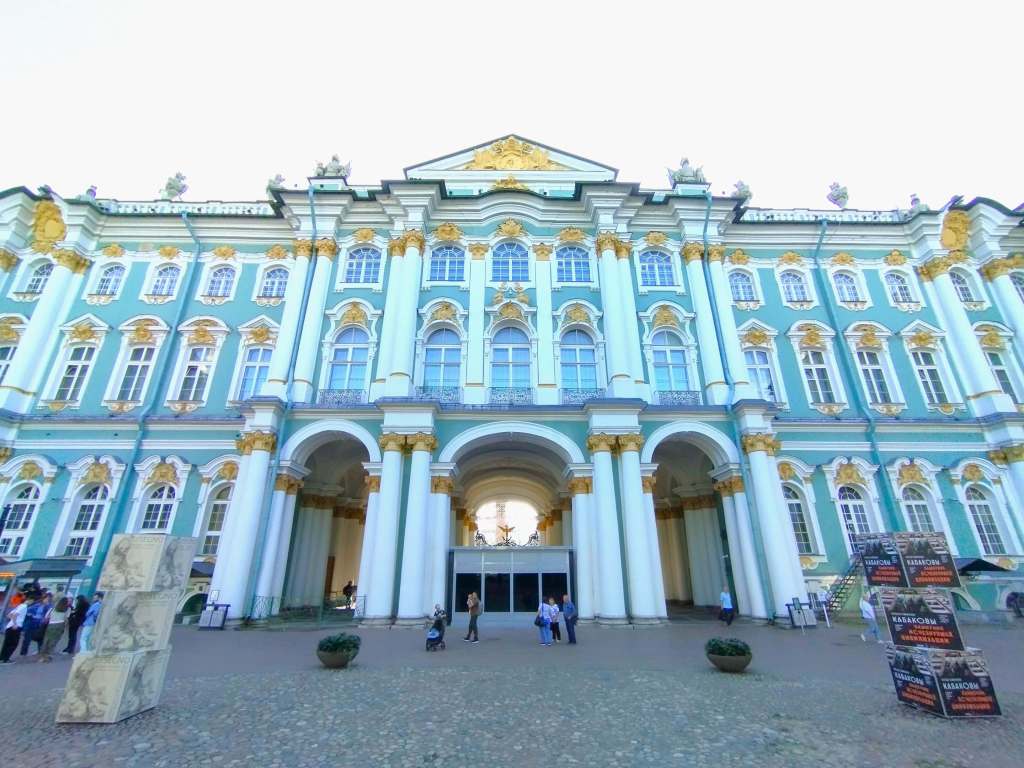
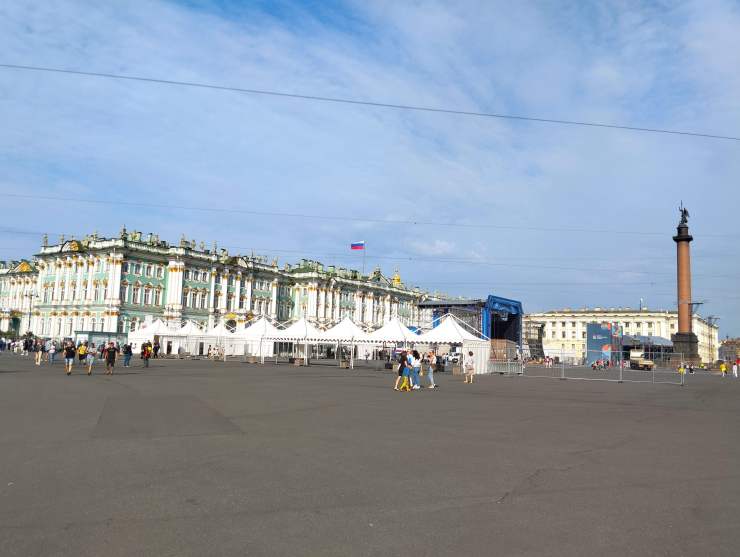
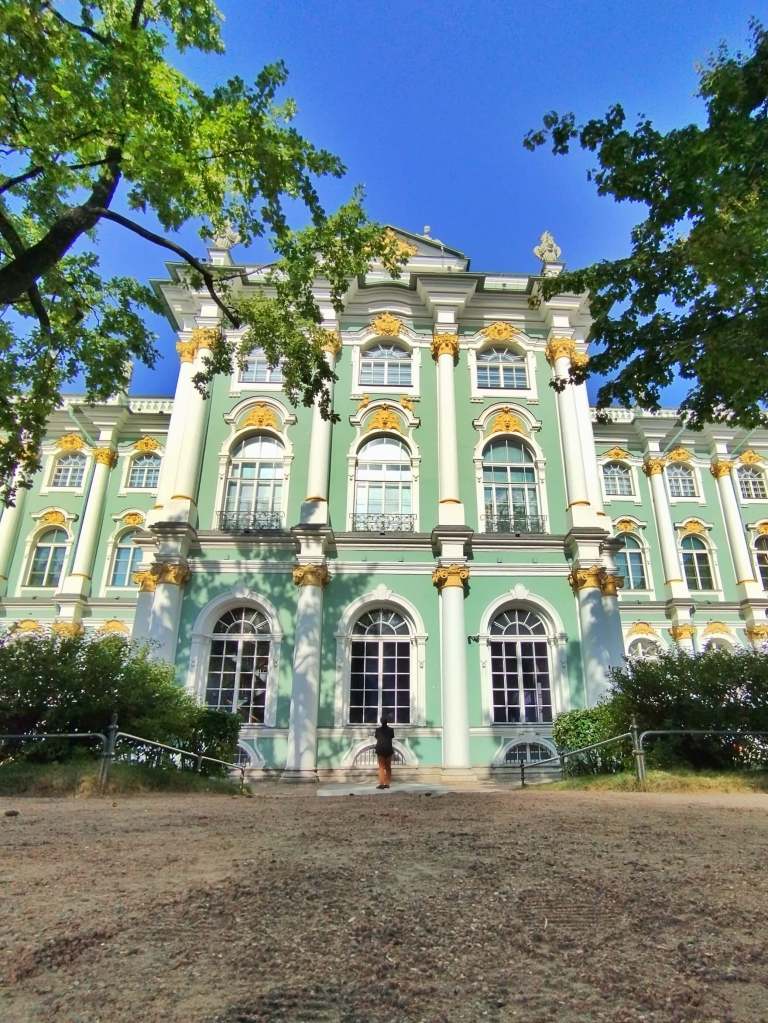
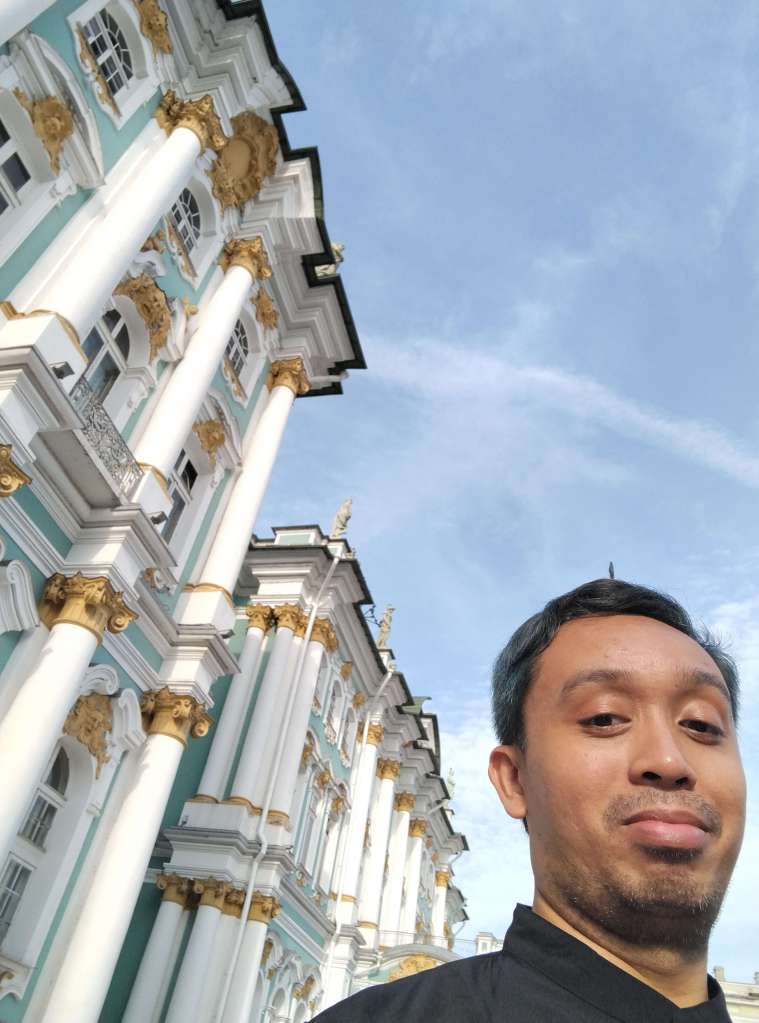
The Winter Palace is a palace in Saint Petersburg that served as the official residence of the House of Romanov, previous emperors, from 1732 to 1917. The palace and its precincts now house the Hermitage Museum.
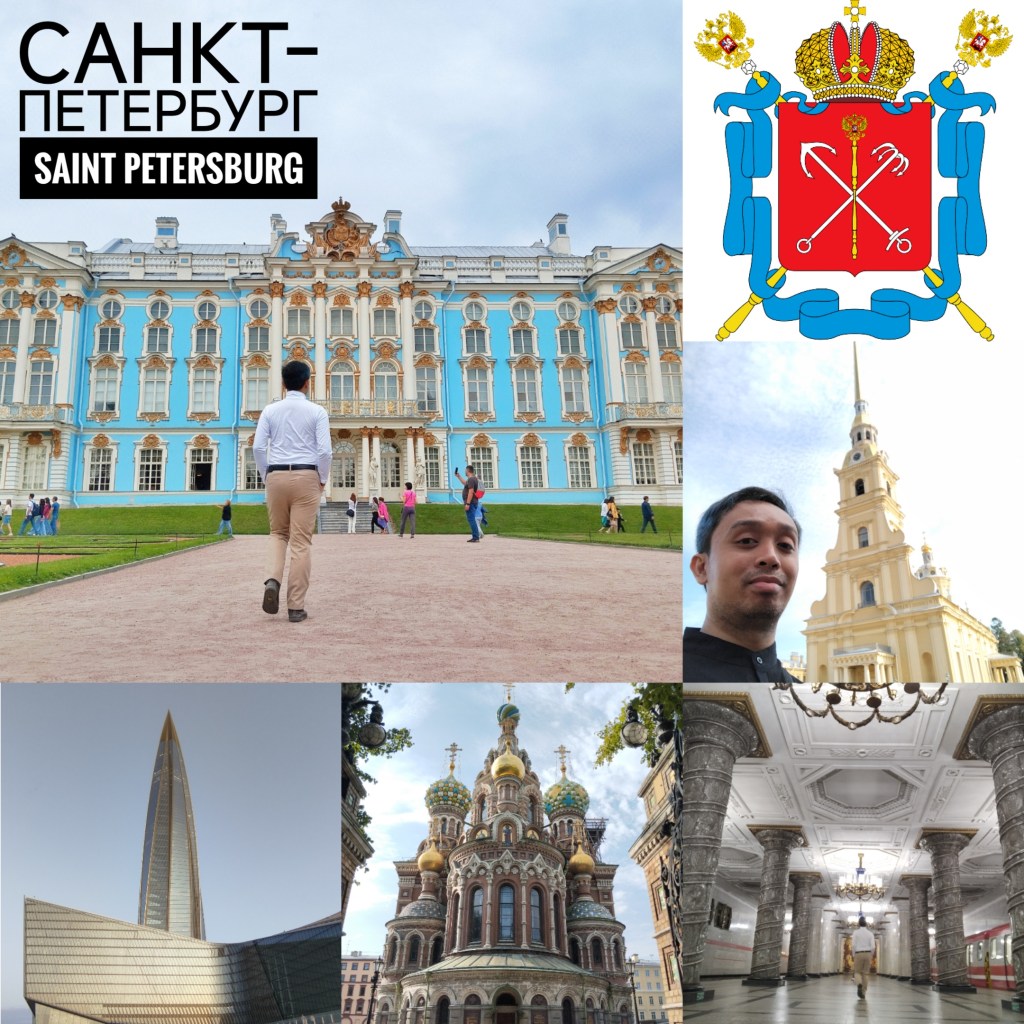
Saint Petersburg, (Russian: Санкт-Петербург) formerly known as Petrograd and later Leningrad, is the second-largest city in Russia after Moscow. It is situated on the River Neva, at the head of the Gulf of Finland on the Baltic Sea. As Russia’s cultural center, it is considered an important economic, scientific, and tourism center of Russia and Europe. In modern times, the city has the nickname of being “the Northern Capital of Russia”.
Details of the iron gate of Winter Palace with Imperial eagle at the top
The Historic Centre of Saint Petersburg and Related Groups of Monuments is the name used by UNESCO when it collectively designated the historic core of the Russian city of St. Petersburg, as well as buildings and ensembles located in the immediate vicinity as a World Heritage Site in 1991. The site was recognized for its architectural heritage, fusing Baroque, Neoclassical, and traditional Russian-Byzantine influences. The historical center of Saint Petersburg was the first Russian patrimony inscribed on the UNESCO list of World Heritage Sites.
In this post, we’ll explore some of the fascinating halls of the Hermitage Museum as well as the most famous treasures kept within.
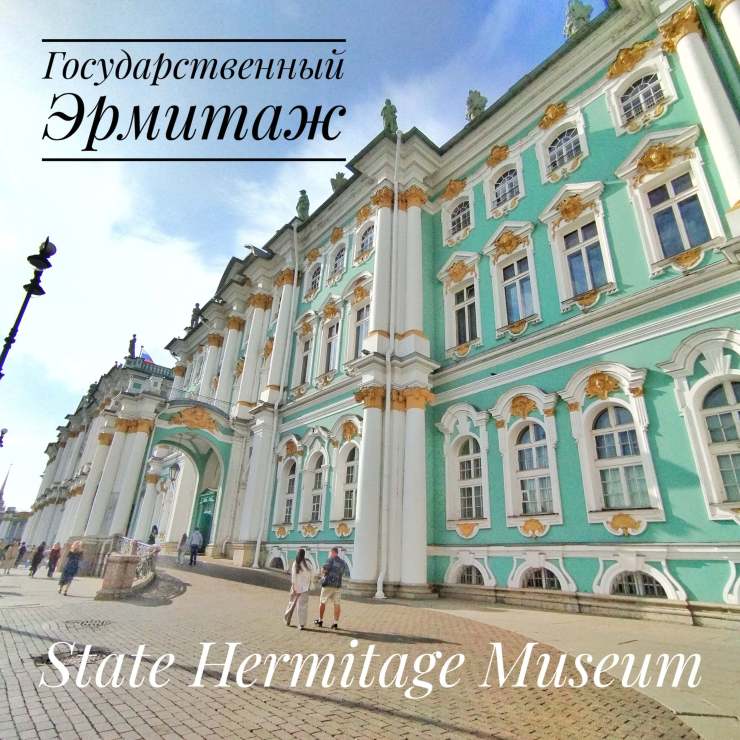
The State Hermitage Museum (Russian: Государственный Эрмитаж, romanized: Gosudarstvennyj Ermitaž) is a museum of art and culture in Saint Petersburg, Russia. It was founded in 1764 when Empress Catherine the Great acquired a collection of paintings from the Berlin merchant Johann Ernst Gotzkowsky. The museum celebrates the anniversary of its founding each year on 7 December, Saint Catherine’s Day. It has been open to the public since 1852. The Art Newspaper ranked the museum 10th in their list of the most visited art museums, with 2,812,913 visitors in 2022.
Reminiscing a mission on my childhood game: On the same first mission of Soviets in computer game Red Alert 3, the Empire of the Rising Sun wanted to destroy Hermitage Museum (where national treasures of Russia are kept). So Natasha and her comrades flew on the other side of the Neva river to save it.
A hermitage is the dwelling of a hermit or recluse. The word derives from Old French hermit, ermit “hermit, recluse”, from Late Latin eremita, from Greek eremites, that means “people who live alone”, which is in turn derived from ἐρημός (erēmos), “desert”.
During the time of Catherine, the Hermitage was not a public museum and few people were allowed to view its holdings. The Hermitage buildings served as a home and workplace for nearly a thousand people, including the Imperial family. In addition to this, they also served as an extravagant showplace for all kinds of Russian relics and displays of wealth prior to the art collections. Many events were held in these buildings including masquerades for the nobility, grand receptions and ceremonies for state and government officials. The “Hermitage complex” was a creation of Catherine’s that allowed all kinds of festivities to take place in the palace, the theatre and even the museum of the Hermitage. This helped solidify the Hermitage as not only a dwelling place for the Imperial family, but also as an important symbol and memorial to the imperial Russian state. Today, the palace and the museum are one and the same.
Of the six buildings in the main museum complex, five—namely the Winter Palace, Small Hermitage, Old Hermitage, New Hermitage, and Hermitage Theatre—are all open to the public. The entrance ticket for foreign tourists costs more than the fee paid by citizens of Russia and Belarus. However, entrance is free of charge the third Thursday of every month for all visitors, and free daily for students and children. The museum is closed on Mondays. The entrance for individual visitors is located in the Winter Palace, accessible from the Courtyard.
The emperors constructed their palaces on a monumental scale that aimed to reflect the might and power of Imperial Russia. From the palace, the tsars ruled over 22,800,000 square kilometers (8,800,000 sq mi) (almost 1/6 of the Earth’s landmass) and 125 million subjects by the end of the 19th century. Several architects participated in designing the Winter Palace—most notably the Italian Bartolomeo Rastrelli (1700–1771)—in what became known as the Elizabethan Baroque style.
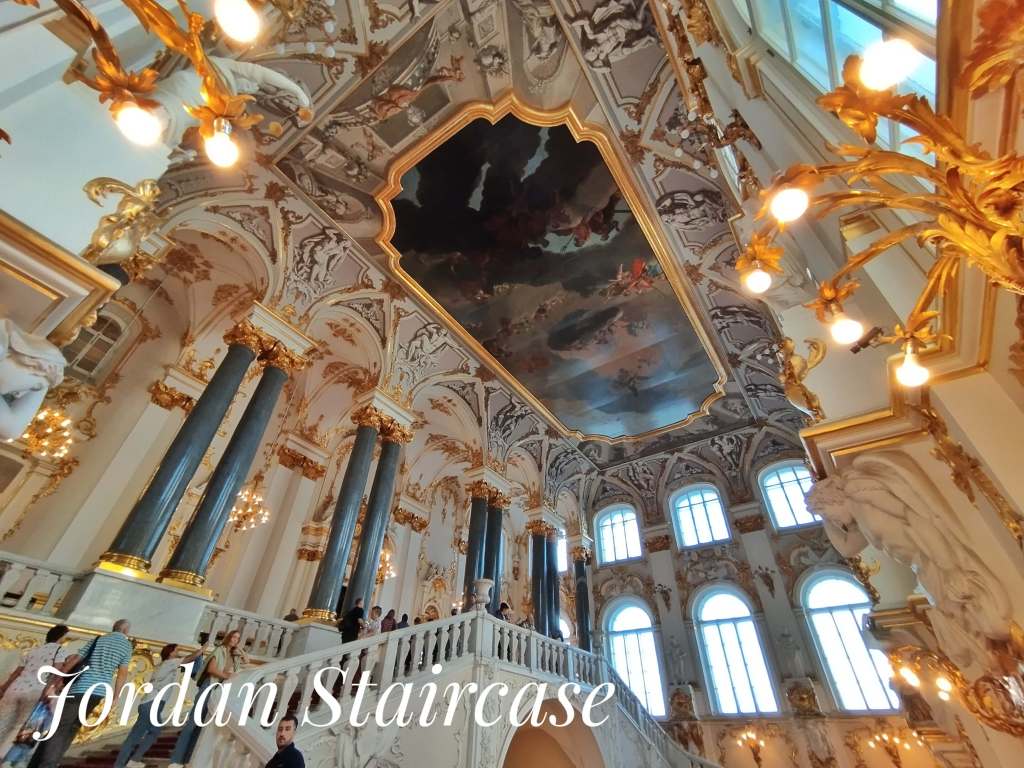
The principal or Jordan Staircase of the Winter Palace, St Petersburg is so called because on the Feast of the Epiphany the Tsar descended this imperial staircase in state for the ceremony of the “Blessing of the Waters” of the Neva River, a celebration of Christ’s baptism in the Jordan River. The staircase is one of the few parts of the palace retaining the original 18th-century style. The massive grey granite columns, however, were added in the mid 19th century.
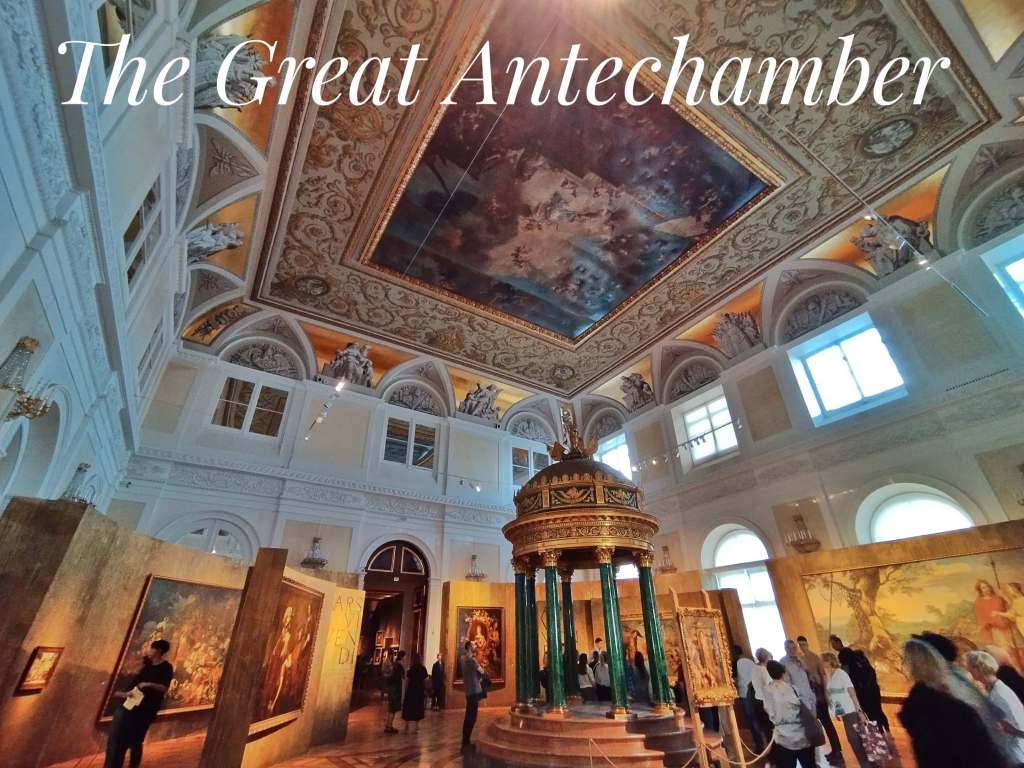
The Great Ante-Chamber of the Winter Palace is the principal entrance hall to the state apartments of the palace. The first room of the piano nobile at the head of the Jordan staircase, it formed the processional exit of the Neva enfilade, and presented a procession with a choice, either to descend the staircase and exit the palace, which happened once a year for the ceremony of blessing the waters of the Neva, or to turn right and continue through the next enfilade to the small throne room or continue on through the Armorial Hall and Military Gallery to the Great Throne Room or Grand Church.
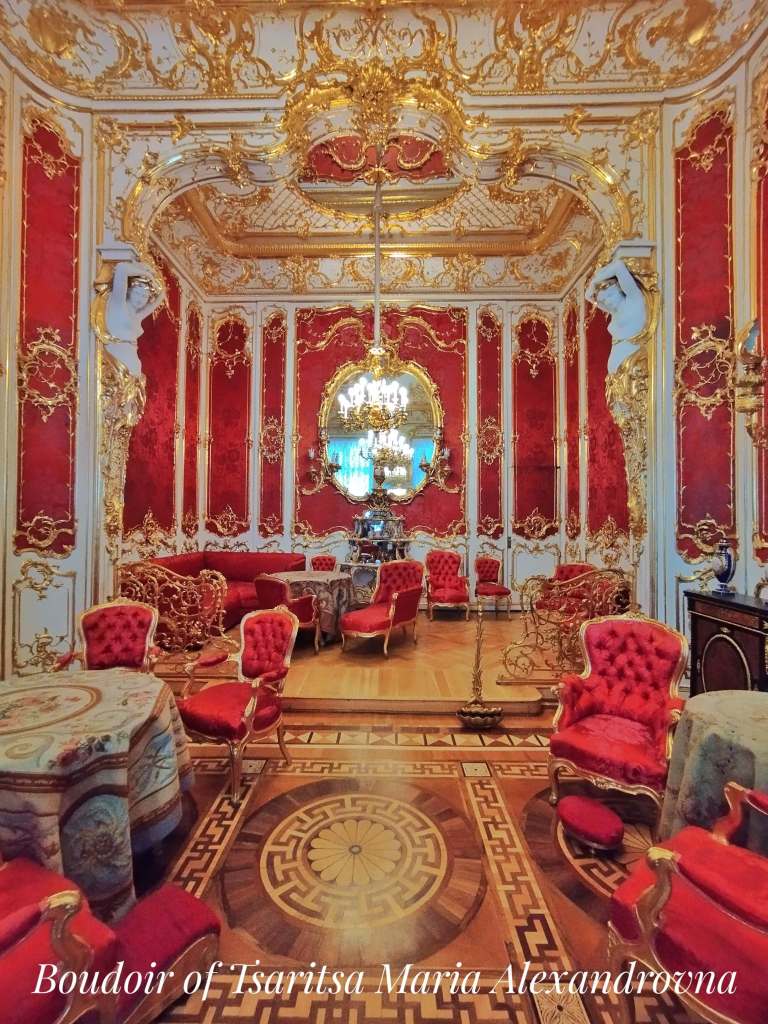
The former study or boudoir of the Tsaritsa Alexandra Feodorovna (wife of Nicholas II) was redesigned for her by Alexander Krasovsky between 1894 and 1895. The room had previously formed the private suite of the wife of Nicholas I when, as her boudoir, it was decorated in red. For Nicholas I, devoted to his wife, spending an evening in this room with her was one of his favourite pastimes. Today the room displays the work of Heinrich Gambs, a notable Russian cabinet maker of the early 19th century.
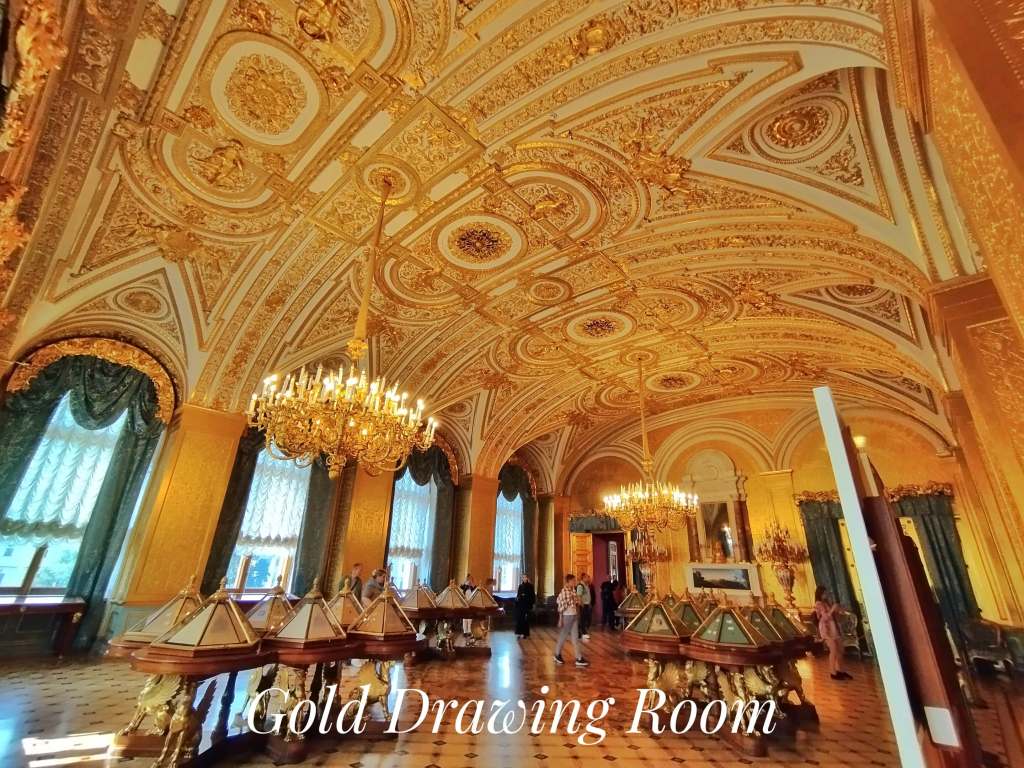
The Gold Drawing Room of the Winter Palace, St Petersburg was one of the rooms of the palace reconstructed following the fire of 1837 by the architect Alexander Briullov. The vaulted ceiling and window embrasures give this large room a cavernous air. Following her marriage in 1841, it became the most formal of the rooms comprising the suite of Tsaritsa Maria Alexandrovna. It was refurbished for her by Andrei Stakenschneider, who employed heavy gilt mouldings for the ceiling and walls in a Byzantine style. The room contains a fireplace of marble and jasper with a mosaic by Etienne Moderni Today, as part of the State Hermitage Museum, this room retains its original decoration.
The White Hall of the Winter Palace was designed by the architect Alexander Briullov to commemorate the marriage of the Tsarevich to Maria of Hesse in 1841. This period coincided with a large rebuilding of the Winter Palace following a severe fire in 1837. While the exterior of the palace was recreated in its original 18th-century style, much of the interior was rebuilt in a variety of styles, dependent on the whims and tastes of their intended occupants. The hall and adjoining rooms formed the suite of the Tsarevich and Tsarevna, and remained their private rooms after their accession in 1855. The hall is in a classical style, its vaulted ceiling supported by Corinthian columns crowned by statues representing the arts. Today, as part of the State Hermitage Museum, this room retains its original decoration.
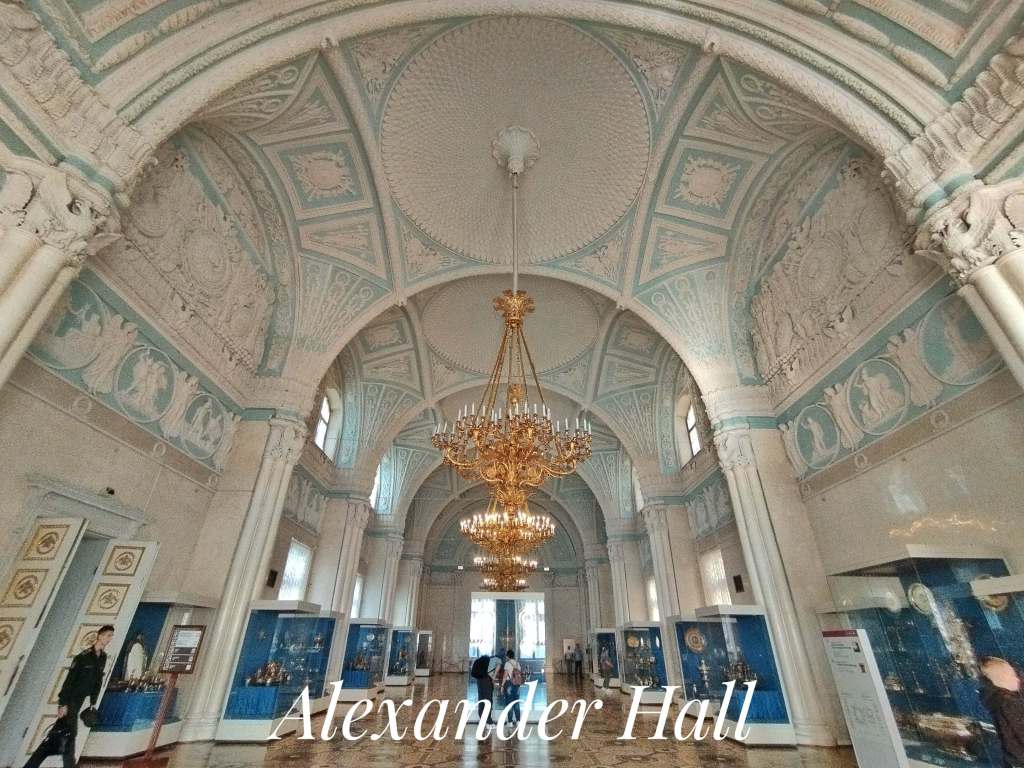
The Alexander Hall of the Winter Palace, St Petersburg, was created following the fire of 1837 by Alexander Briullov. The room commemorates the reign of Emperor Alexander I and the Napoleonic Wars. Decorated in an unusual Gothicised version of classicism, the walls contain twenty-four medallions commemorating Russia’s victory over the French, created by the sculptor Count Fyodor Tolstoy.
The Grand Church of the Winter Palace (Russian: Собор Спаса Нерукотворного Образа в Зимнем дворце) in Saint Petersburg, sometimes referred to as the Winter Palace’s cathedral, was consecrated in 1763. It is located on the piano nobile in the eastern wing of the Winter Palace, and is the larger, and principal, of two churches within the palace. A smaller, more private church was constructed in 1768, near the private apartment in the northwest part of the wing. The Grand Church was designed by Francesco Rastrelli, and has been described as “one of the most splendid rooms” in the palace. Today, the church is an unconsecrated exhibition hall of the State Hermitage Museum.
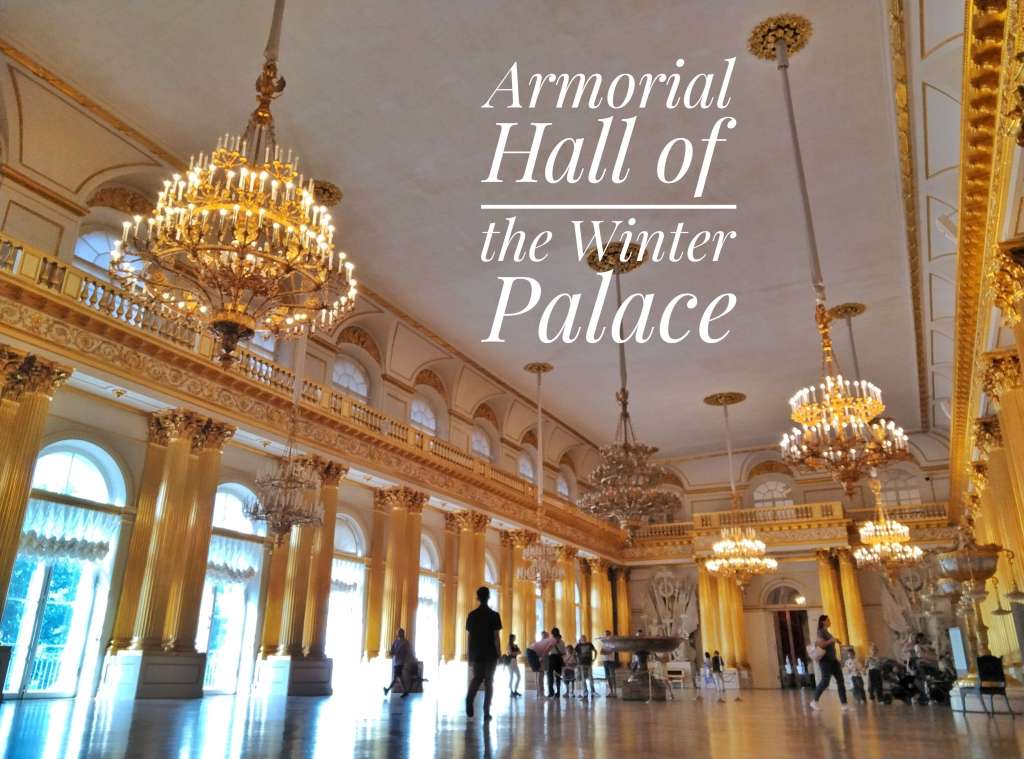
The Armorial Hall of the Winter Palace, Saint Petersburg, is a vast chamber originally designed for official ceremonies. The Armorial Hall is located between the Military Gallery and the palace courtyard. The current hall was designed by Vasily Stasov in the late 1830s, after the original hall was damaged by an extensive palace fire in 1837; it was at this time that the fluted columns were gilded. Along with St George’s Hall and the Nicholas Hall, it was one of the palace’s main areas for entertaining. The edges of the hall are decorated with vast stucco panoplies. In the center of the hall sits a lapidary vase made of aventurine from 1842. Today, as part of the State Hermitage Museum, this room retains its original decoration.
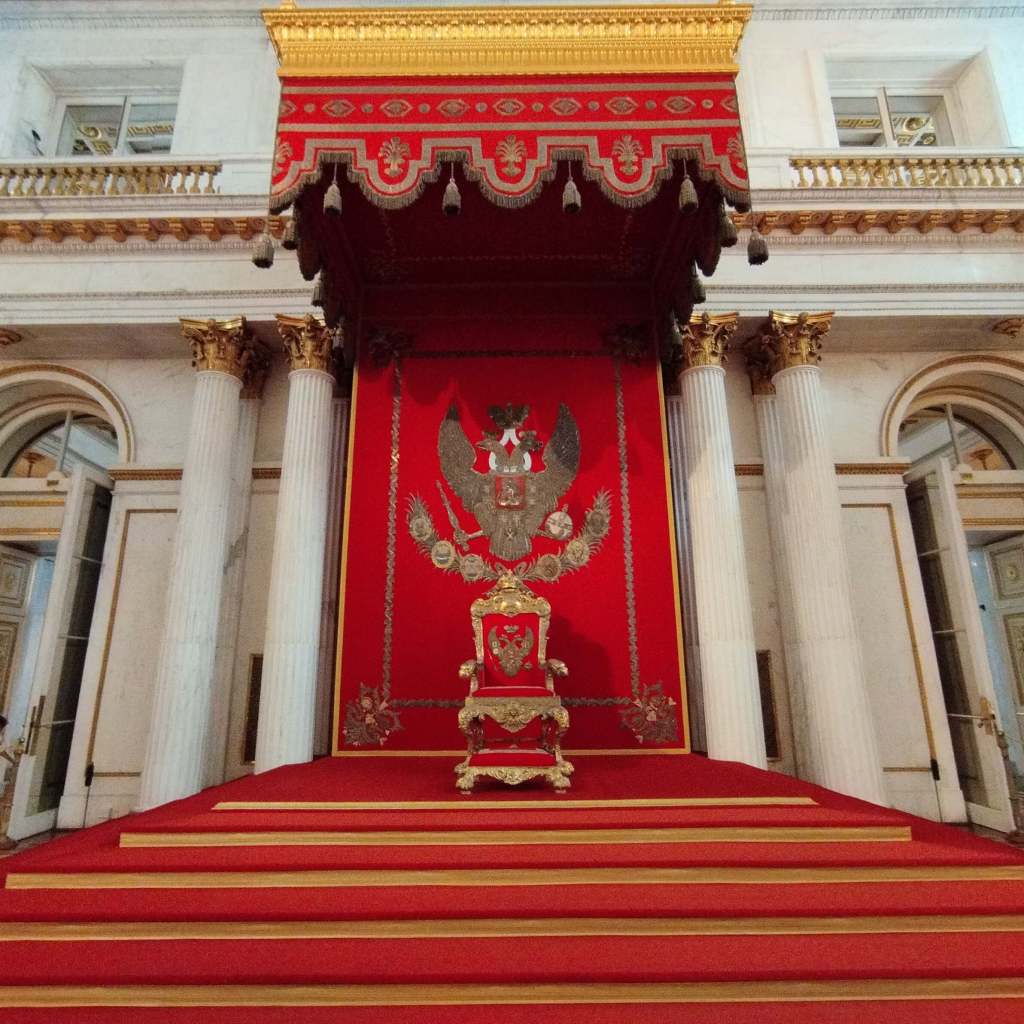
The Small Throne Room of the Winter Palace, St Petersburg, also known as the Peter the Great Memorial Hall, was created for Tsar Nicholas I in 1833, by the architect Auguste de Montferrand. Following a fire in 1837, in which most of the palace was destroyed, the room was recreated exactly as it had been before by the architect Vasily Stasov. Designed in a loose Baroque style, the room holds the throne recessed in an apse before a reredos, supported by two Corinthian columns of jasper, which contains a large canvas dedicated to Peter I with Minerva by Jacopo Amigoni. In the room proper above dado height the walls are lined with crimson velvet embellished with double-headed eagles of silver thread, above which is a shallow vaulted ceiling. Set in the opposing lunettes beneath the vaulting are paintings depicting the Battle of Poltava and the Battle of Lesnaya by Pietro Scotti (1768-1837) and Barnabas Medici. However, the focal point of the room is the silver-gilt throne of 1731, made in London by the Anglo-French gold-and-silver-smith Nicholas Clausen. Here, during the era of the Tsars, diplomats gathered on New Years Day to offer good wishes to the Tsar. Today, as part of the State Hermitage Museum, this room retains its original decoration.
St George’s Hall (also referred to as the Great Throne Room) is one of the largest state rooms in the Winter Palace, St Petersburg. It is located on the eastern side of the palace, and connected to The Hermitage by the smaller Apollo Room. The colourful, neoclassical interior design of this great hall, executed by Giacomo Quarenghi between 1787 and 1795, was lost in the fire of 1837 which gutted much of the palace’s interior. Following the fire, Russian architect Vasily Stasov was commissioned to oversee the restoration and rebuilding of the palace.
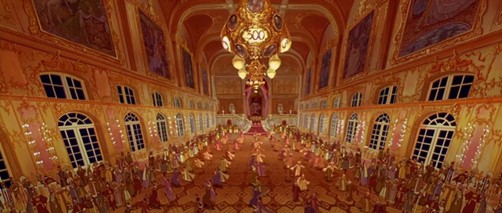
I remembered the movie Anastasia 1997 animated film, where there was a grand ball within Winter Palace. This must be the Great Throne Room in real life.
St George’s Hall, which served as the palace’s principal throne room, was the scene of many of the most formal ceremonies of the Imperial court. Most historically, it was the setting of the opening of the First State Duma by Nicholas II, in 1906. The Tsar was forced to agree to the establishment of a Duma as a concession to his people in an attempt to avert revolution. However, the Imperial family saw it as “the end of Russian autocracy”.
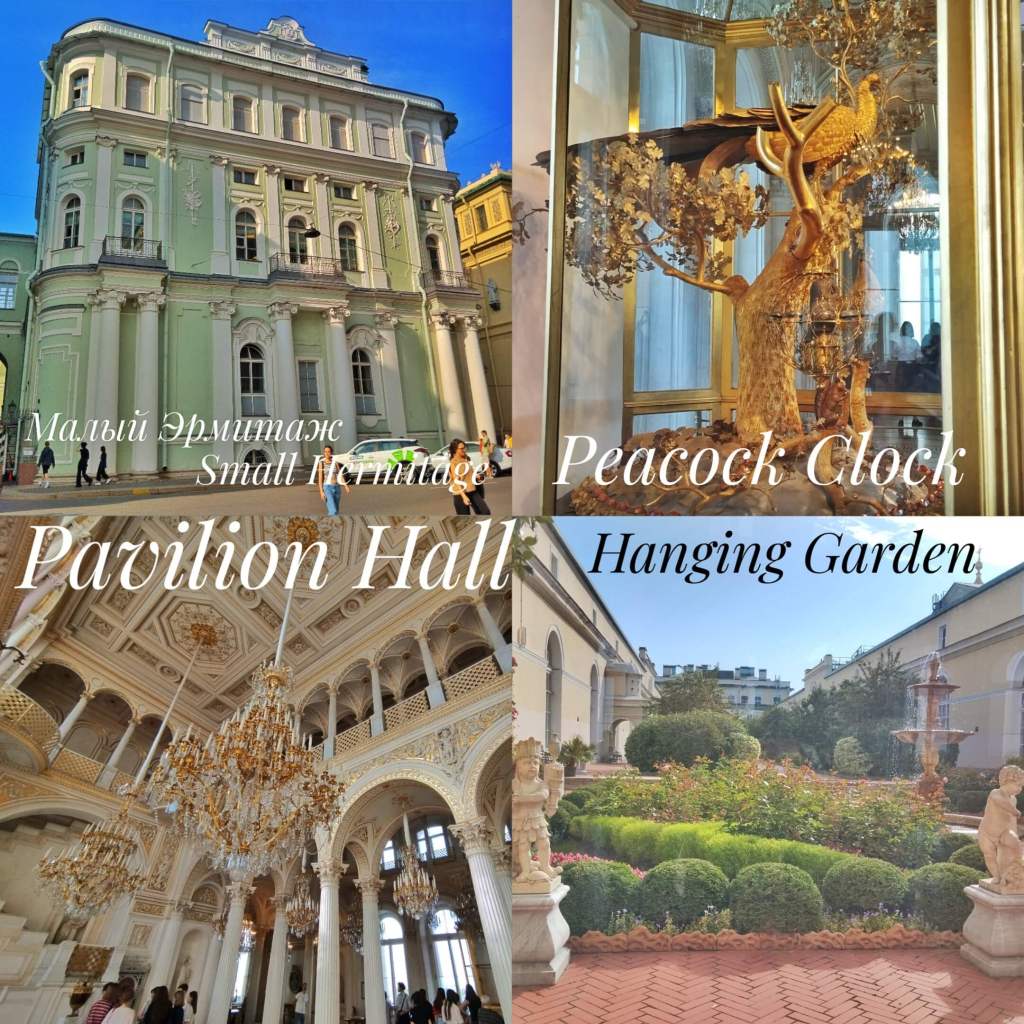
Pavilion Hall, designed by Andrei Stackenschneider in 1858, occupies the first floor of the Northern Pavilion in the Small Hermitage. It features the 18th-century golden Peacock Clock by James Cox and a collection of mosaics. Two galleries spanning the west side of the Small Hermitage from the Northern to Southern Pavilion house an exhibition of Western European decorative and applied art from the 12th to 15th century and the fine art of the Low Countries from the 15th and 16th centuries.
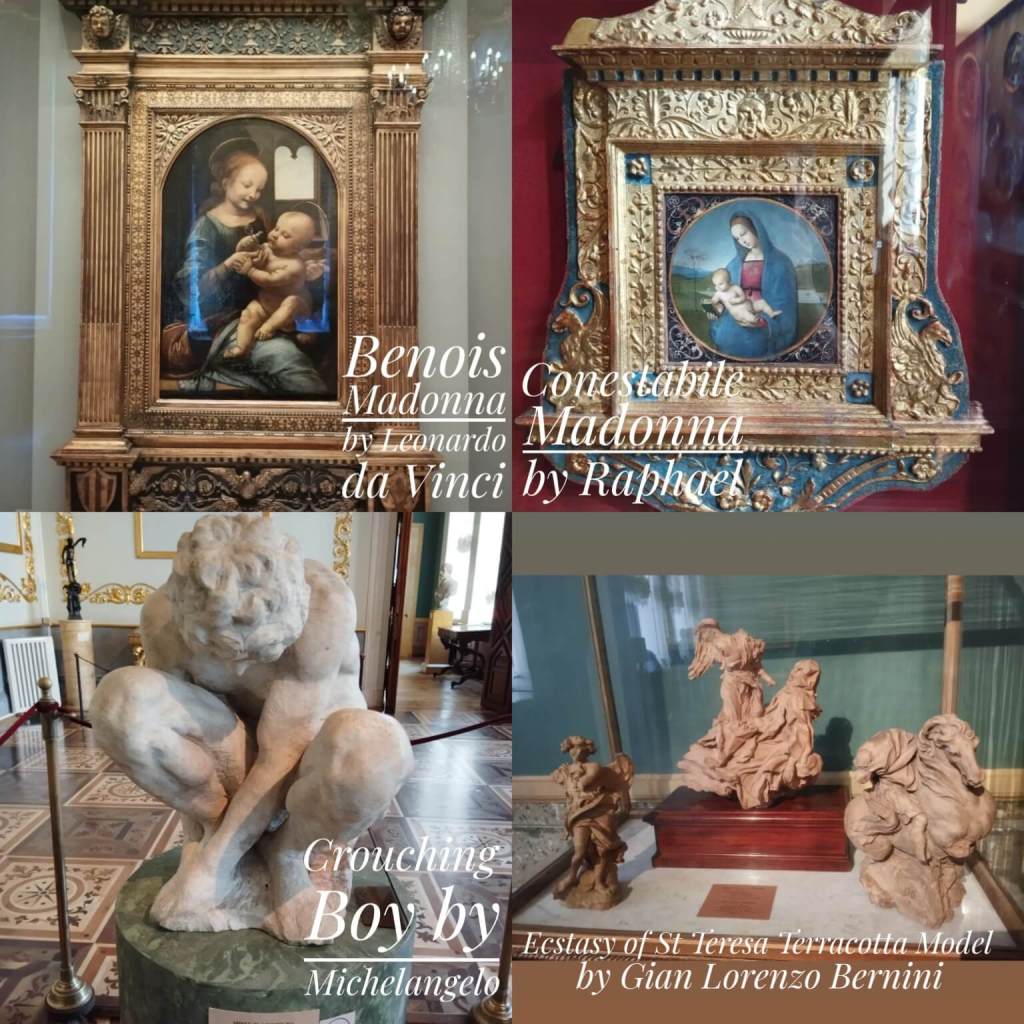
Italian Renaissance The rooms on the first floor of the Old Hermitage were designed by Andrei Stakenschneider in revival styles in between 1851 and 1860, although the design survives only in some of them. They feature works of Italian Renaissance artists, including Giorgione, Titian, Veronese, as well as Benois Madonna and Madonna Litta attributed to Leonardo da Vinci or his school. The Italian Renaissance galleries continues in the eastern wing of the New Hermitage with paintings, sculpture, majolica and tapestry from Italy of the 15th–16th centuries, including Conestabile Madonna and Madonna with Beardless St. Joseph by Raphael.
Dutch Golden Age and Flemish Baroque The rooms and galleries along the southern facade and in the western wing of the New Hermitage are now entirely devoted to Dutch Golden Age and Flemish Baroque painting of the 17th century, including the large collections of Van Dyck, Rubens and Rembrandt.
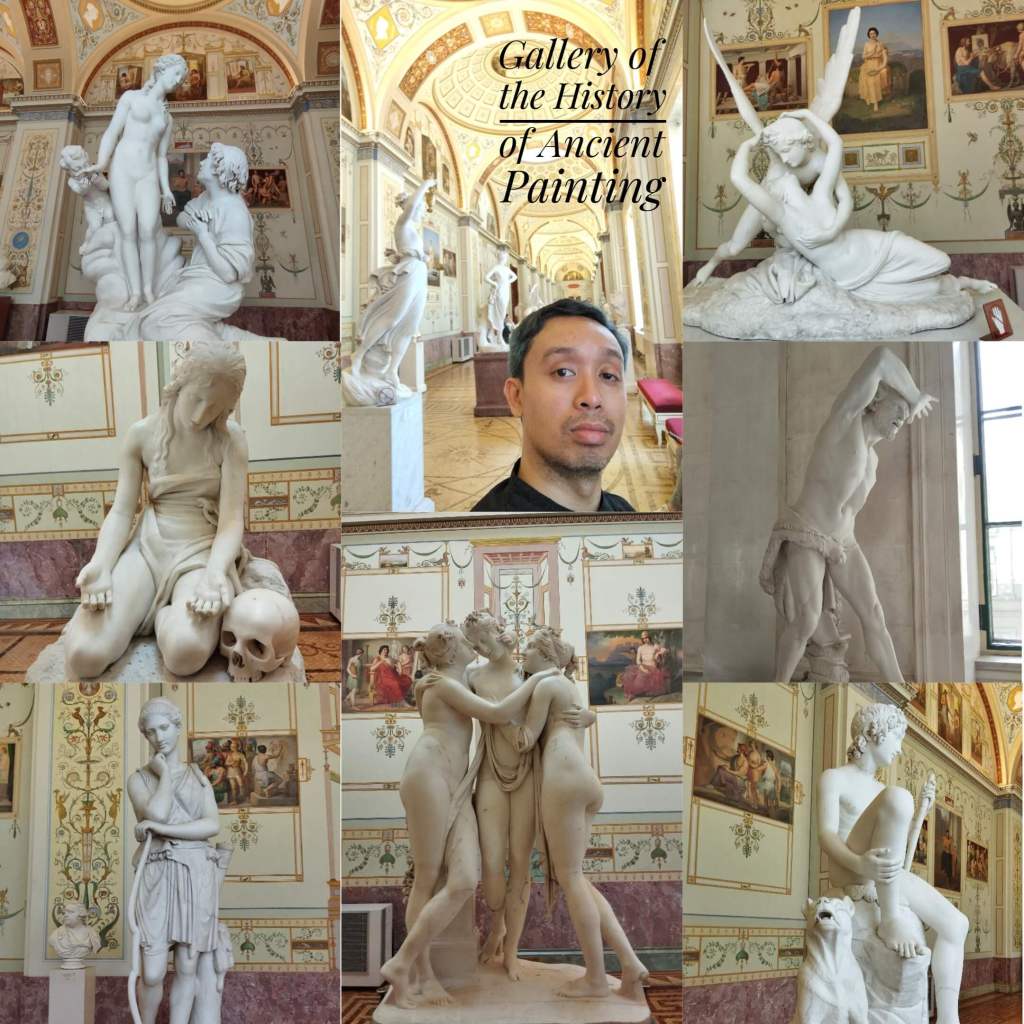
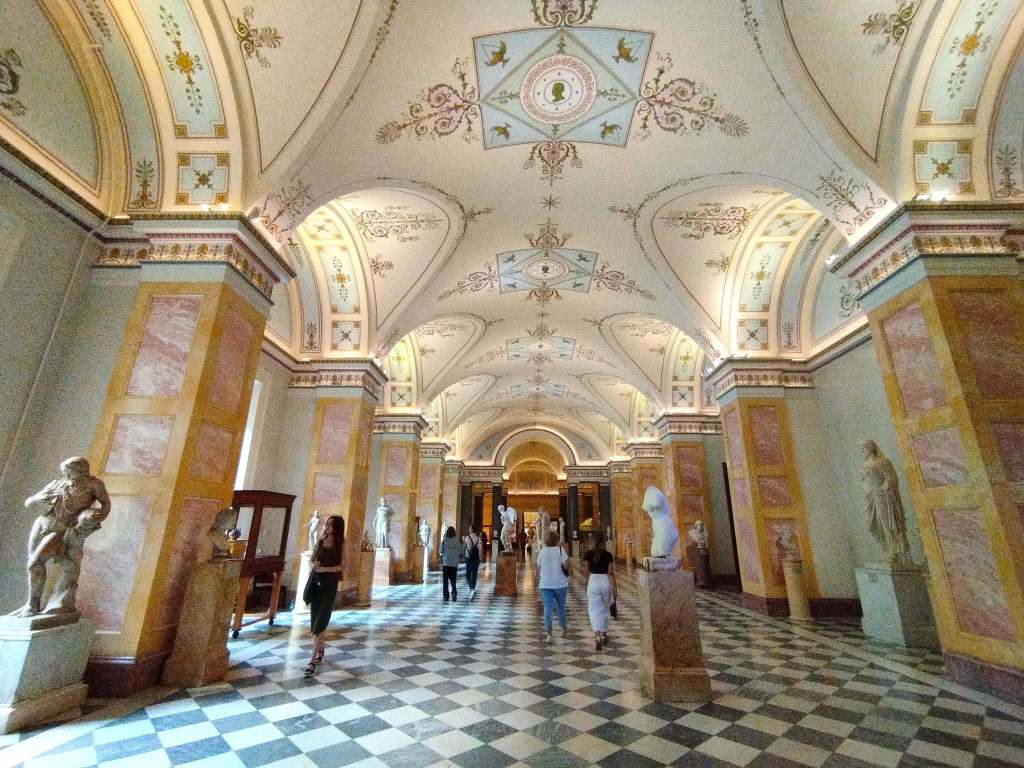
The Gallery of the History of Ancient Painting adjoins the Knights’ Hall and also flanks the skylight rooms. It was designed by Leo von Klenze in the Greek revival style as a prelude to the museum and features neoclassical marble sculptures by Antonio Canova and his followers. In the middle, the gallery opens to the main staircase of the New Hermitage, which served as the entrance to the museum before the October Revolution of 1917, but is now closed.
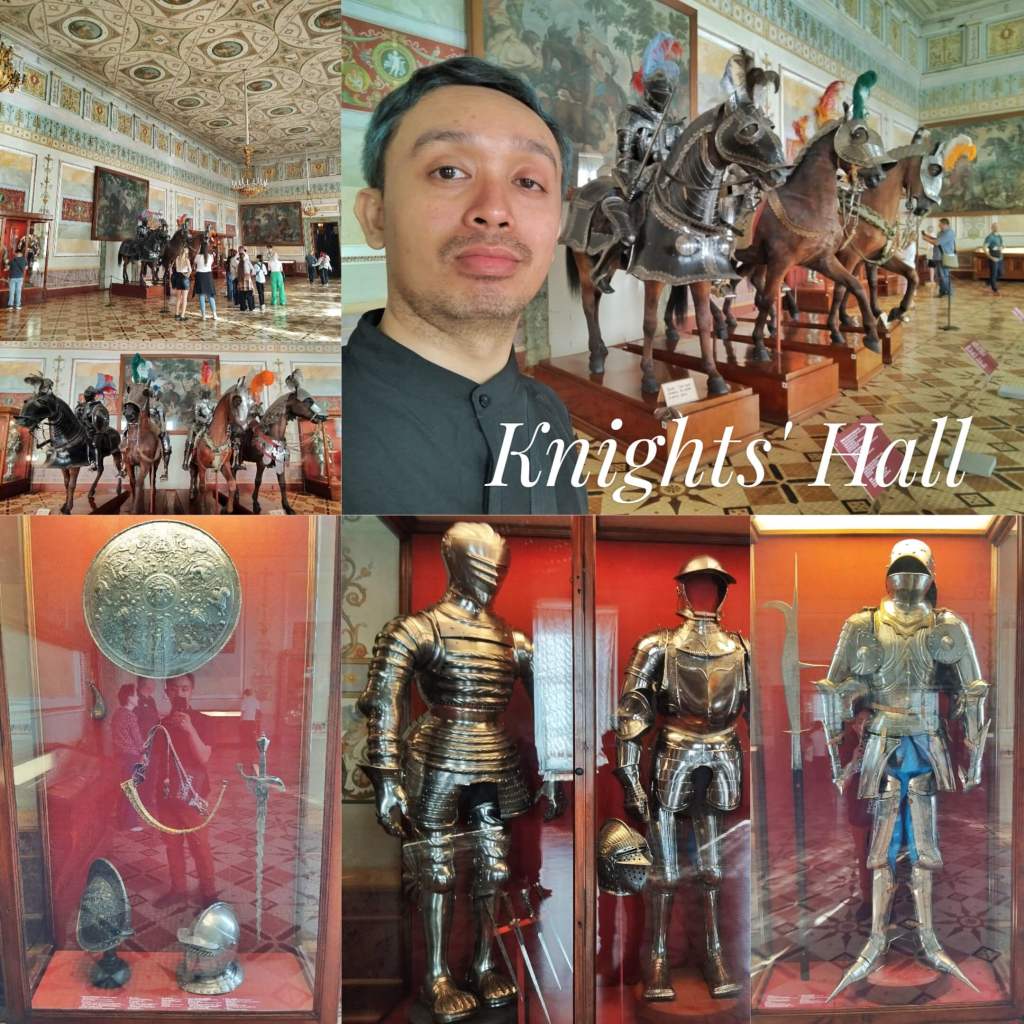
The Knights’ Hall, a large room in the eastern part of the New Hermitage originally designed in the Greek revival style for the display of coins, now hosts a collection of Western European arms and armour from the 15th–17th centuries, part of the Hermitage Arsenal collection.
Classical antiquities The collection of classical antiquities occupies most of the ground floor of the Old and New Hermitage buildings. The interiors of the ground floor were designed by German architect Leo von Klenze in the Greek revival style in the early 1850s, using painted polished stucco and columns of natural marble and granite.
The Egyptian Collection of the Hermitage Museum dates back to 1852 and includes approximately 7,500 items from the Predynastic Period to the 12th century AD. It belongs to the Oriental Art section of the museum. The Egyptian exposition is hosted in a single large hall on the ground floor on the eastern side of the Winter Palace. The hall serves as a passage to the exhibition of Classical Antiquities in other Hermitage buildings and is situated right under St. George’s Hall. It was redesigned for the exhibition by Alexander Sivkov in 1940 and earlier served as the main buffet of the Winter Palace.
I roamed the whole complex for almost 4 hours! I didn’t notice the time passed but I really enjoyed the experience. Finally ticked one of my museums’ bucket list. A must-visit in Russia indeed! (n_n)










 Ben Goes Where
5 thoughts on “RUSSIA: The Gleaming Treasures of Hermitage Museum”