RUSSIA: Discover the Iconic Landmarks of Saint Petersburg
Saint Petersburg, (Russian: Санкт-Петербург) formerly known as Petrograd and later Leningrad, is the second-largest city in Russia after Moscow. It is situated on the River Neva, at the head of the Gulf of Finland on the Baltic Sea. Saint Petersburg is the most populous city on the Baltic Sea, and the world’s northernmost city of more than 1 million residents. As the former capital of Imperial Russia, and a historically strategic port, it is governed as a federal city. As I went to Moscow, this city is also on my bucket list of cities to be visited in Russia.
Coat of Arms in a guide map in the cityGreat Coat of Arms of Saint Petersburg (2003)The coat of arms of Saint Petersburg is the official symbol of the city and was adopted in 23 April 2003. The coat of arms of Saint Petersburg is a red heraldic shield with a field featuring two silver anchors. The Maritime anchor is oriented diagonally from left to right from the viewer, with two legs in the upper left corner, and the River anchor mirrors its position, with four legs in the upper right corner. Above them is a golden scepter with a double-headed eagle. The shield is crowned with the Russian imperial crown with two St. Andrew azure ribbons emerging from it. Behind the shield two are crosswise gold scepters adorned with diamonds connected by St Andrew azure ribbons. There is no motto written on the ribbons.
Bust of Peter the Great inside Moskovsky Railway Terminal
The city was founded by Tsar Peter the Great on 27 May 1703 on the site of a captured Swedish fortress, and was named after the apostle Saint Peter. In Russia, Saint Petersburg is historically and culturally associated with the birth of the Russian Empire and Russia’s entry into modern history as a European great power. It served as a capital of the Tsardom of Russia, and the subsequent Russian Empire, from 1712 to 1918 (being replaced by Moscow for a short period of time between 1728 and 1730).
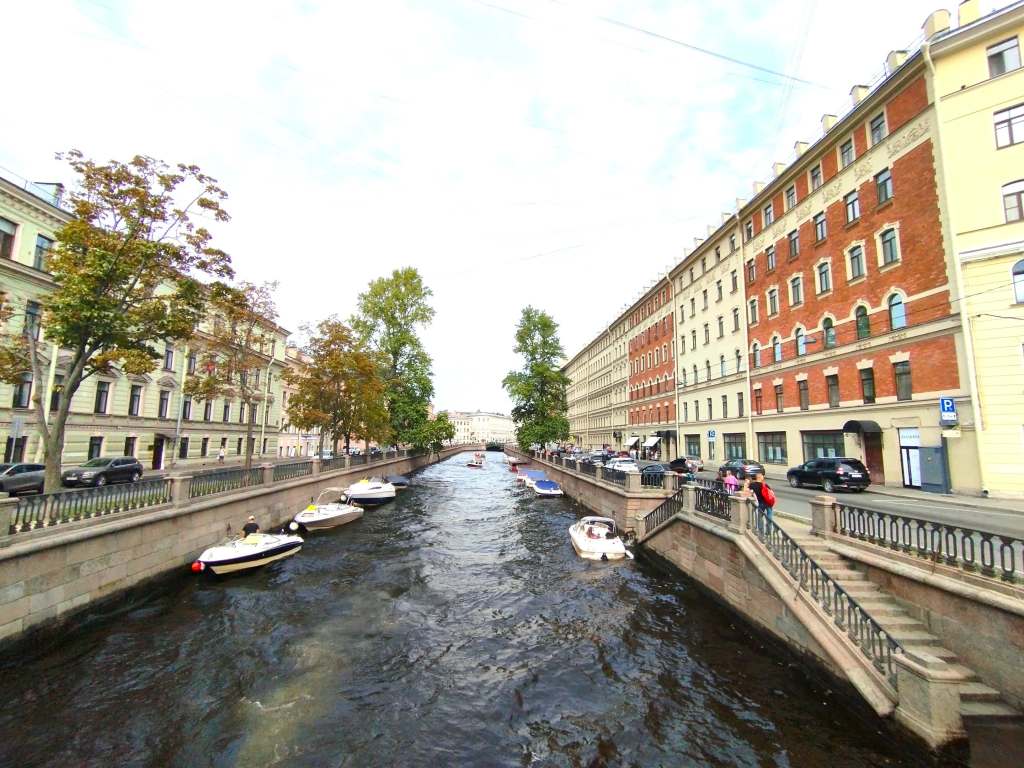
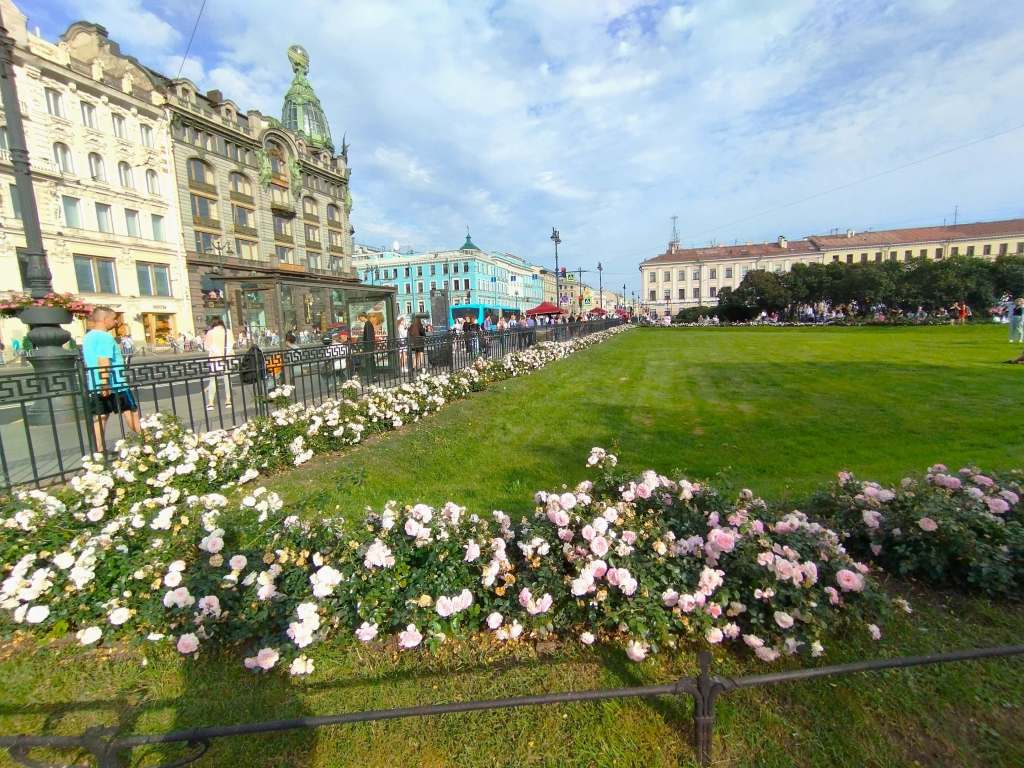
The Griboyedov Canal or Kanal Griboyedova (Russian: кана́л Грибое́дова) is a canal in Saint Petersburg, constructed in 1739 along the existing Krivusha river. In 1764–90, the canal was deepened and the banks were reinforced and covered with granite.
As Russia’s cultural center, it is considered an important economic, scientific, and tourism center of Russia and Europe. In modern times, the city has the nickname of being “the Northern Capital of Russia”. Saint Petersburg is home to the Hermitage, one of the largest art museums in the world, and the Lakhta Center, the tallest skyscraper in Europe. Saint Petersburg has been traditionally called the “Window to Europe” and the “Window to the West” by the Russians. The city is also often described as the “Venice of the North” or the “Russian Venice” due to its many water corridors, as the city is built on swamp and water. Furthermore, it has strongly Western European-inspired architecture and culture, which is combined with the city’s Russian heritage.
The name day of Peter I falls on 29 June, when the Russian Orthodox Church observes the memory of apostles Peter and Paul. The consecration of the small wooden church in their names (its construction began at the same time as the citadel) made them the heavenly patrons of the Peter and Paul Fortress, while Saint Peter at the same time became the eponym of the whole city. When in June 1703 Peter the Great renamed the site after Saint Peter, he did not issue a naming act that established an official spelling; even in his own letters he used diverse spellings, such as Санктьпетерсьбурк (Sanktpetersburk), emulating German Sankt Petersburg, and Сантпитербурх (Santpiterburkh), emulating Dutch Sint-Pietersburgh, as Peter was multilingual and a Hollandophile. The name was later normalized and russified to Санкт-Петербург.
The Historic Centre of Saint Petersburg and Related Groups of Monuments is the name used by UNESCO when it collectively designated the historic core of the Russian city of St. Petersburg, as well as buildings and ensembles located in the immediate vicinity as a World Heritage Site in 1991. The site was recognized for its architectural heritage, fusing Baroque, Neoclassical, and traditional Russian-Byzantine influences. The historical center of Saint Petersburg was the first Russian patrimony inscribed on the UNESCO list of World Heritage Sites.
In this post, I’ll show the highlighted attractions below and explain their significance in city’s historical fabric that led them to be inscribed in UNESCO World Heritage List. Attractions outside the historic Central Saint Petersburg will be discussed on a separate post.
Central Saint Petersburg is the central and the leading part of Saint Petersburg, Russia. It looks nothing like the downtown district of a typical major city, and has no skyscrapers. The Central Business District’s main borders are Neva River to the north and west, and the Fontanka River to the south and east, but the downtown includes areas outside. The Saint Petersburg metropolitan area as a whole, and its historic centre in particular, have preserved their integrity. This has to do with the fact that the development of the historical centre practically ceased in 1913, and in 1918 the capital was moved to Moscow. As a result, new construction projects and the growth of industrial zones occurred outside the limits of the historic centre. Its integrity is ensured through the preservation of its planned layout, silhouette and opportunities for an unobstructed view, but high buildings and inappropriate development around the property have been an issue. The property also suffers from the impacts of traffic, air pollution and relative humidity.
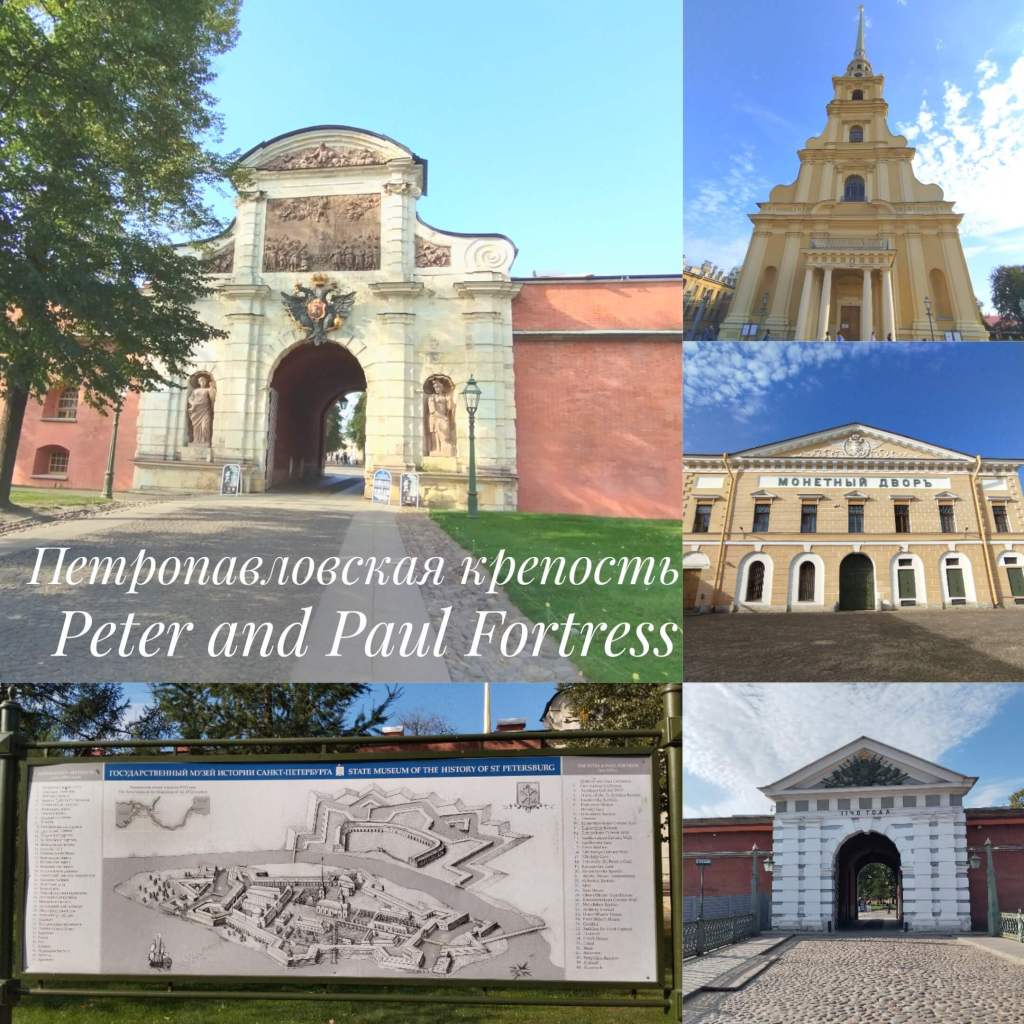
The Peter and Paul Fortress (Russian: Петропавловская крепость, romanized: Petropavlovskaya krepost’) is the original citadel of Saint Petersburg, Russia, founded by Peter the Great in 1703 and built to Domenico Trezzini’s designs from 1706 to 1740 as a star fortress. Between the first half of the 1700s and early 1920s it served as a prison for political criminals. It has been a museum since 1924.
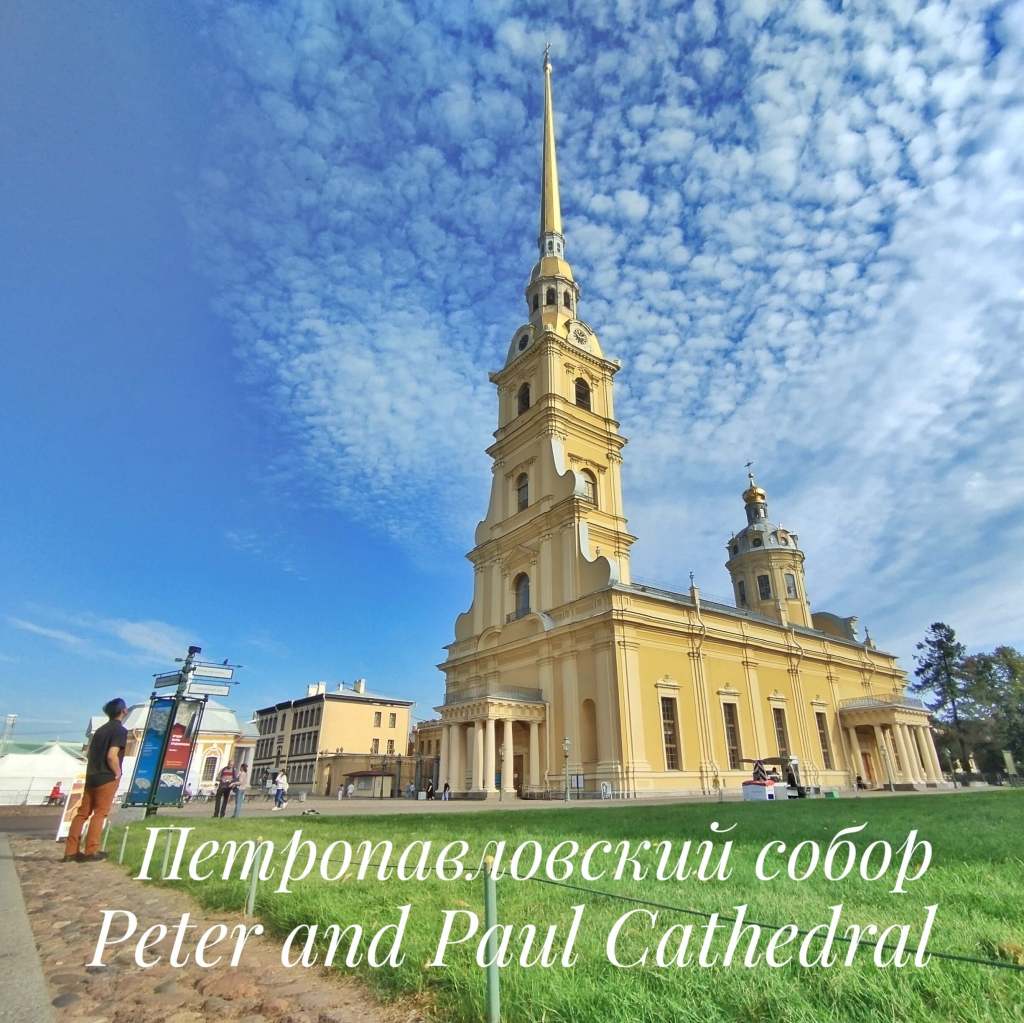
The Peter and Paul Cathedral (Russian: Петропавловский собор, romanized: Petropavlovskiy sobor) is a Russian Orthodox cathedral located inside the Peter and Paul Fortress in St. Petersburg, Russia. It is the first and oldest landmark in St. Petersburg, built between 1712 and 1733 on Hare Island along the Neva River. Both the cathedral and the fortress were originally built under Peter the Great and designed by Domenico Trezzini. The cathedral’s bell tower is the world’s tallest Orthodox bell tower. Since the belfry is not standalone, but an integral part of the main building, the cathedral is sometimes considered the highest Orthodox Church in the world. There is another Cathedral of Saints Peter and Paul Church in St. Petersburg, located in Petergof.
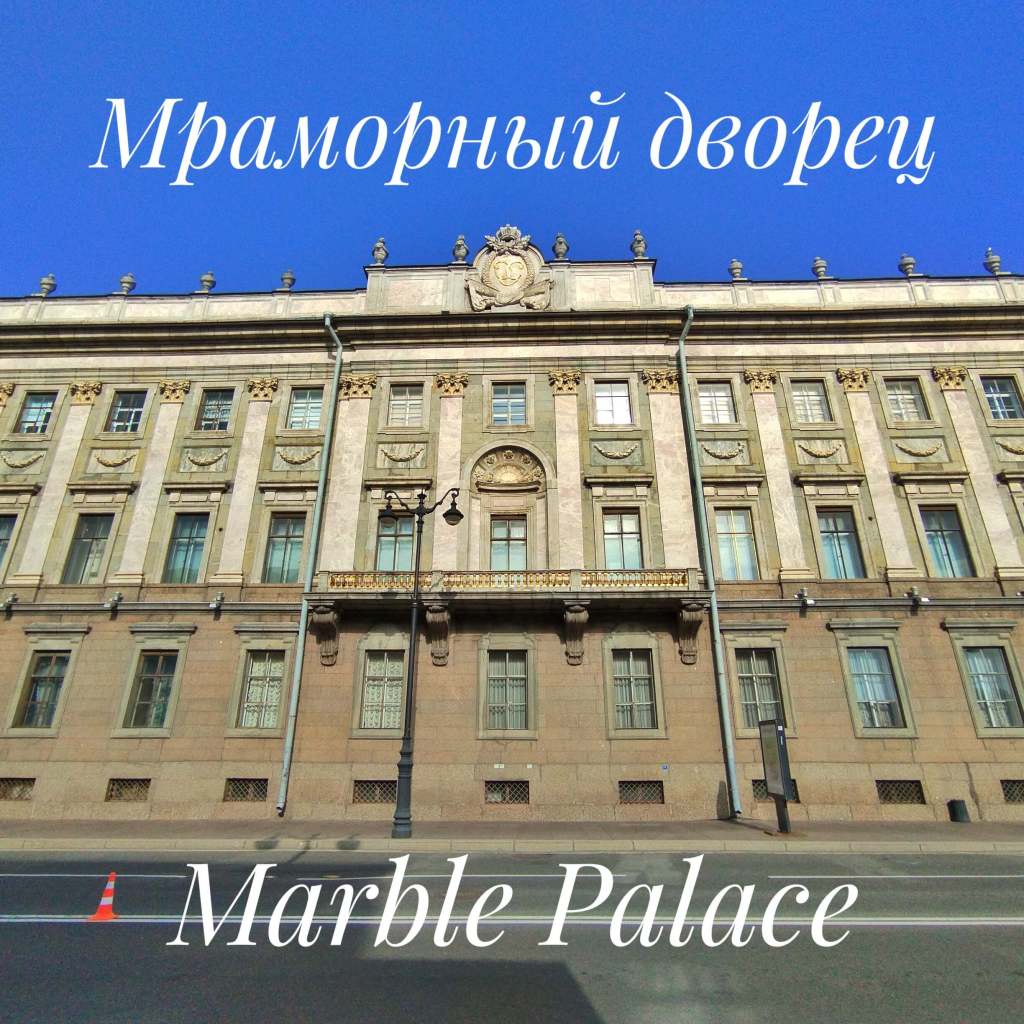
Marble Palace (Russian: Мраморный дворец) is one of the first Neoclassical palaces in Saint Petersburg, Russia. It is situated between the Field of Mars and Palace Quay, slightly to the east from New Michael Palace. The palace was built as a gift from Empress Catherine the Great for Count Grigory Orlov, her favourite and the most powerful Russian nobleman of the 1760s. Construction started in 1768 to designs by Antonio Rinaldi, who previously had helped decorate the grand palace at Caserta near Naples, and lasted for 17 years.
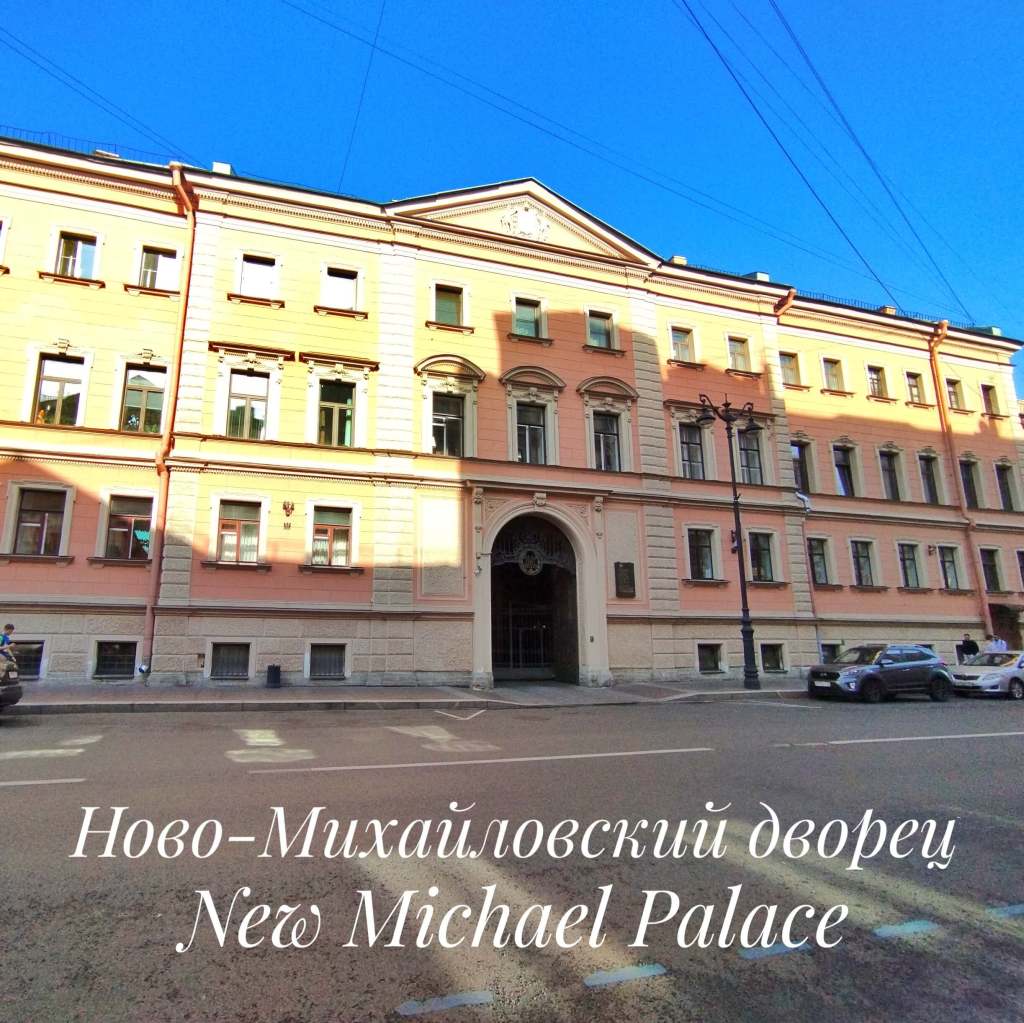
The New Michael Palace (Russian: Ново-Михайловский дворец, romanized: Novo-Mikhailovsky Dvorets) was the third Saint Petersburg palace designed by Andrei Stackenschneider for Nicholas I’s children. It was built between 1857 and 1862 on the Palace Embankment, between the Hermitage Museum buildings (to the west) and the Marble Palace (to the east). The palace was commissioned by Grand Duke Michael Nikolaevich of Russia on the occasion of his wedding to Cecilie of Baden. The design is a Revivalist medley of quotations from the Renaissance, Baroque, and the Louis XVI styles. A residential wing of the palace (the so-called Equerry Wing) fronts on Millionnaya Street.
Facing Millionnaya street, the New Hermitage was built for Nicholas II in 1852, to hold the growing art collection and as a museum for the public. Designed by German neoclassicist architect and painter von Klenze, the historically preserved rooms house the museum’s collections of ancient art, European paintings, sculptures and decorative art. The New Hermitage’s original entrance has a portico supported by 10 monumental Atlantes carved from grey granite in the workshop of Alexander Terebenev. The New Hermitage is the first building in Russia specially built for a public art museum.
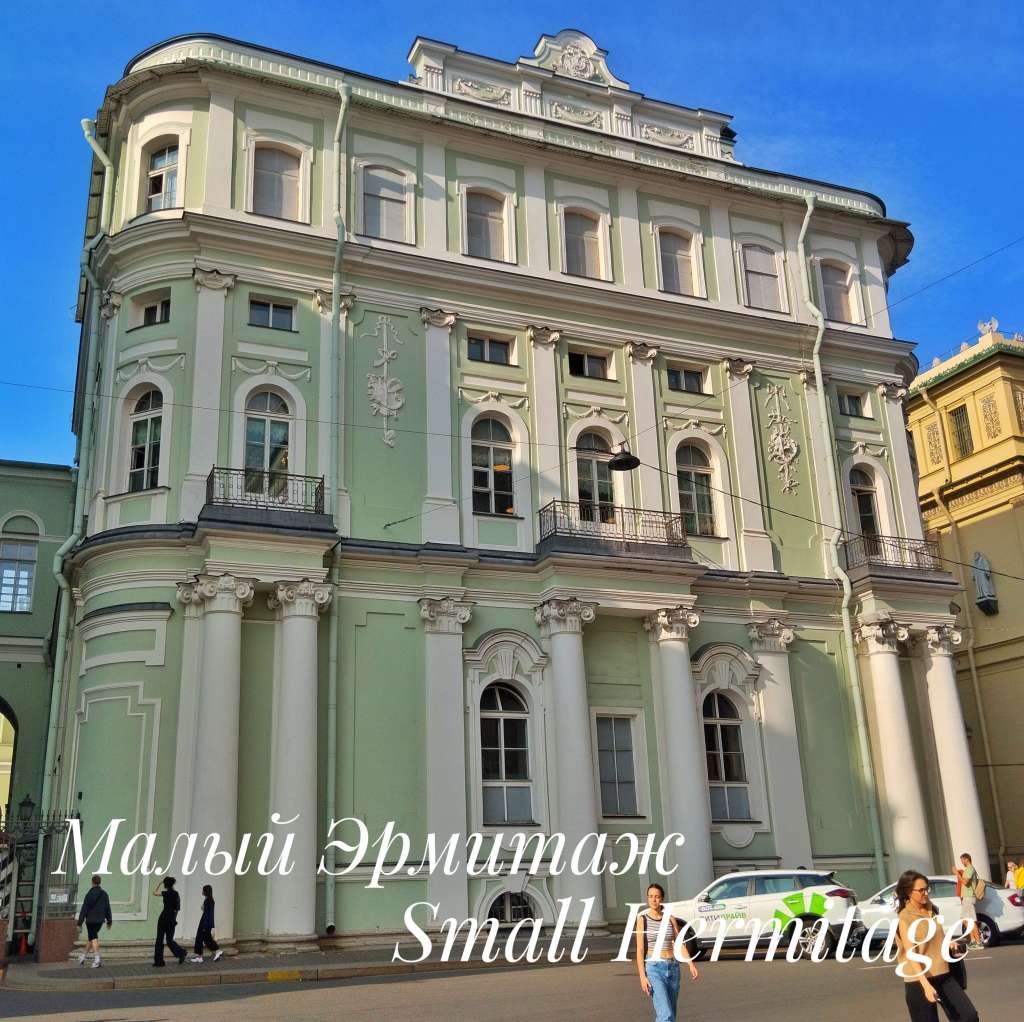
The classical Small Hermitage, which evolved from a series of buildings constructed between Palace Square and the Neva between 1764 and 1769, was used by Catherine the Great as a retreat and to house the art collection started by Peter the Great, which she significantly expanded. On the building’s 2nd floor, connecting the two sides, is the Hanging Garden overlooked by ceremonial Pavilion Hall hung with 28 chandeliers. Here you’ll find the incredible Peacock Clock and a wonderful copy of a Roman floor mosaic.
The Winter Palace is a palace in Saint Petersburg that served as the official residence of the House of Romanov, previous emperors, from 1732 to 1917. The palace and its precincts now house the Hermitage Museum.
The State Hermitage Museum (Russian: Государственный Эрмитаж, romanized: Gosudarstvennyj Ermitaž) is a museum of art and culture in Saint Petersburg, Russia. It was founded in 1764 when Empress Catherine the Great acquired a collection of paintings from the Berlin merchant Johann Ernst Gotzkowsky. The museum celebrates the anniversary of its founding each year on 7 December, Saint Catherine’s Day. It has been open to the public since 1852. I will discuss this museum in detail on a separate post.
The Admiralty building is the former headquarters of the Admiralty Board and the Imperial Russian Navy in Central St. Petersburg, Russia and the current headquarters of the Russian Navy. The edifice was rebuilt in the nineteenth century to support the tsar’s maritime ambitions. The original design was a fortified shipyard which was later surrounded by five bastions and further protected by a moat. The Empire Style edifice visible today lining the Admiralty Quay was constructed to Andreyan Zakharov’s design between 1806 and 1823. Located at the western end of the Nevsky Prospekt, The Admiralty with its gilded spire topped by a golden weather-vane in the shape of a small sail warship (Korablik), is one of the city’s most conspicuous landmarks and the focal point of old St. Petersburg’s three main streets – Nevsky Prospect, Gorokhovaya Street, and Voznesensky Avenue – underscoring the importance Peter I placed on Russia’s Navy.
Lobanov-Rostovsky Residence or the Lobanov-Rostovsky Palace is a building at 12 Admiralteysky Avenue in Saint Petersburg, Russia, constructed in 1817-1820 for Prince Alexander Yakovlevich Lobanov-Rostovsky. Today, the building houses a luxury hotel, the Four Seasons Hotel Lion Palace, named for the two Medici Lions at the main entrance.
Saint Isaac’s Cathedral or Isaakievskiy Sobor (Russian: Исаа́киевский Собо́р, romanized: Isaákiyevskiy Sobór) is a large architectural landmark cathedral that currently functions as a museum with occasional church services in Saint Petersburg, Russia. It is dedicated to Saint Isaac of Dalmatia, a patron saint of Peter the Great, who had been born on the feast day of that saint. It was originally built as a cathedral but was turned into a museum by the Soviet government in 1931 and has remained a museum ever since, with church services held in a side chapel since the 1990s. In 2017, the Governor of Saint Petersburg offered to transfer the cathedral back to the Russian Orthodox Church, but this was not accomplished due to the protests of St Petersburg citizens opposing the offer.
The Monument to Nicholas I (Russian: Памятник Николаю I) is a bronze equestrian monument of Nicholas I of Russia on St Isaac’s Square (in front of Saint Isaac’s Cathedral) in Saint Petersburg, Russia. It was created by French sculptor Auguste de Montferrand and unveiled on July 7 [O.S. June 25] , 1859, the six-meter statue was considered a technical wonder at the time of its creation. It is one of only a few bronze statues with only two support points (the rear hooves of the horse).
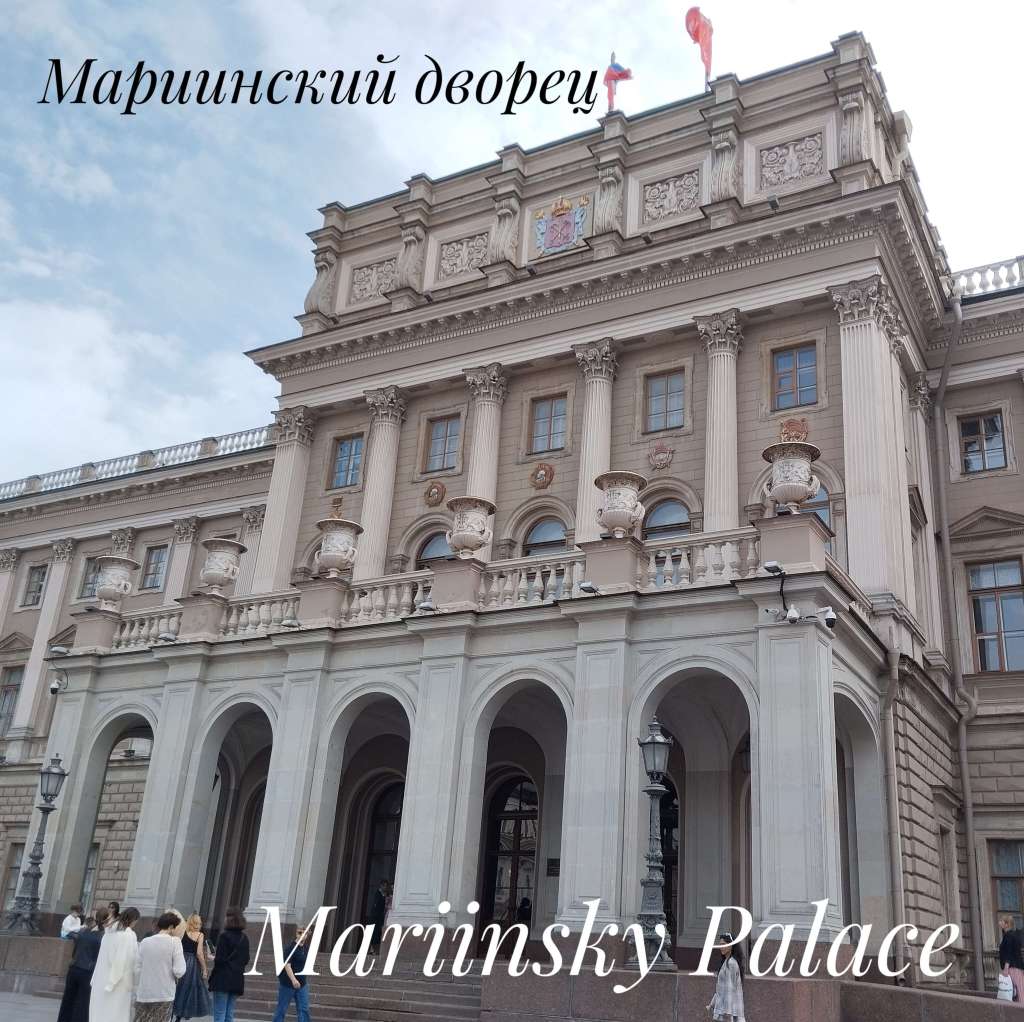
Mariinsky Palace (Russian: Мариинский дворец, romanized: Mariinskij dvorec), also known as Marie Palace, was the last neoclassical Imperial residence to be constructed in Saint Petersburg. It was built between 1839 and 1844, designed by the court architect Andrei Stackenschneider. It houses the city’s Legislative Assembly. The palace was conceived by Nicholas I as a present to his eldest daughter, Grand Duchess Maria Nikolaevna, on the occasion of her marriage to Maximilian de Beauharnais, Empress Joséphine’s grandson.
The Stroganov Palace (Russian: Строгановский дворец) is a Late Baroque palace at the intersection of the Moika River and Nevsky Prospect in St. Petersburg, Russia. The palace was built to Bartolomeo Rastrelli’s designs for Baron Sergei Grigoriyevich Stroganov in 1753–1754. The interiors were remodeled by Andrei Voronikhin at the turn of the 19th century.
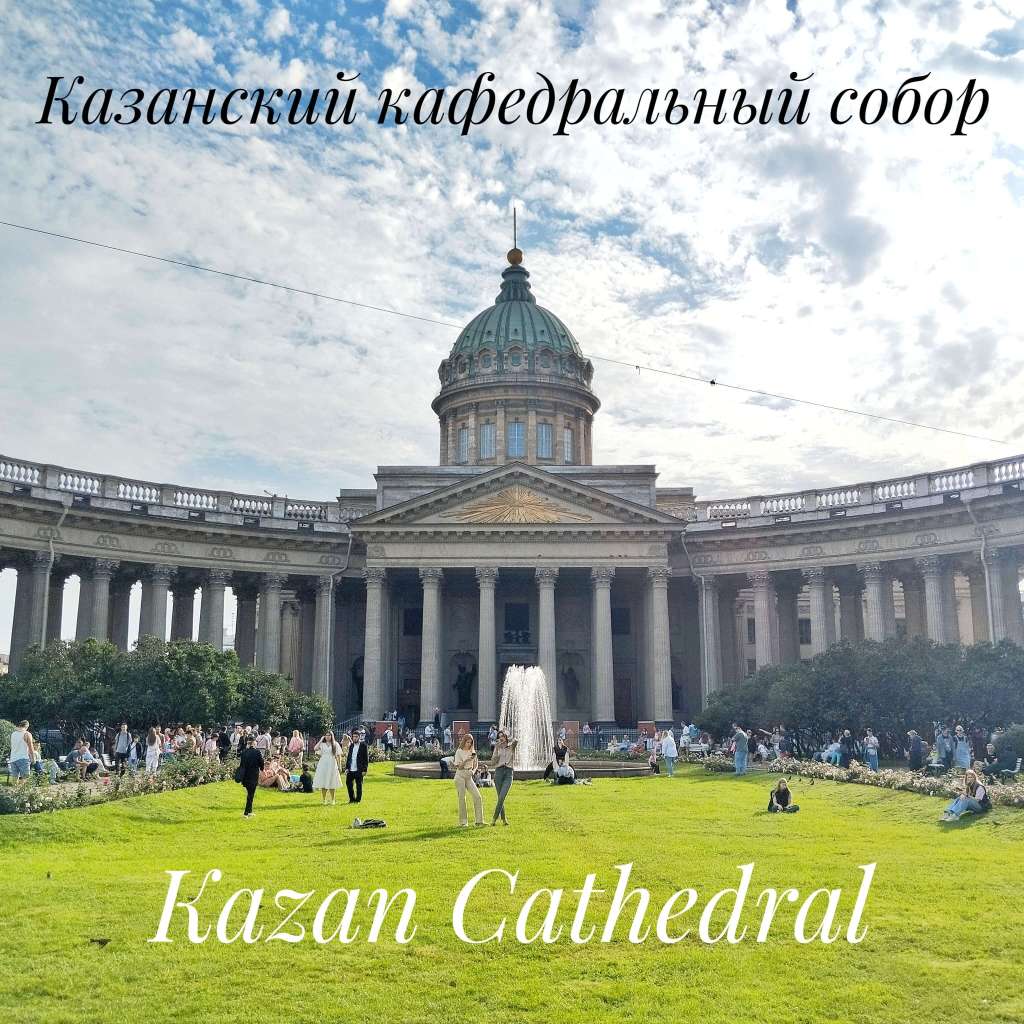
Kazan Cathedral or Kazanskiy Kafedralniy Sobor (Russian: Казанский кафедральный собор, romanized: Kazanskiy kafedral’nyy sobor), also known as the Cathedral of Our Lady of Kazan, is a cathedral of the Russian Orthodox Church on the Nevsky Prospekt in Saint Petersburg. It is dedicated to Our Lady of Kazan, one of the most venerated icons in Russia. The architect Andrey Voronikhin modelled the building on St. Peter’s Basilica in Rome.
Singer House (Russian: Дом компании «Зингер»), also widely known as the House of the Book (Russian: Дом книги), is a historic building in Saint Petersburg, Russia. It is located at the intersection of Nevsky Prospekt and the Griboyedov Canal, directly opposite the Kazan Cathedral. It is recognized as a historical landmark and has official status as an object of Russian cultural heritage. The building was constructed in 1902–1904 by the leading Petersburg architect of the time, Pavel Suzor, for the Russian headquarters of the Singer Sewing Machine Company. After the Russian Revolution the house was nationalized and since 1919 used for offices of the editors’ houses of various magazines and publishers. The main city bookshop was opened in 1938 and stayed operative even during the World War II.
The Catholic Church of St Catherine (Russian: Католическая церковь Святой Екатерины) in St. Petersburg is the oldest Catholic church in the Russian Federation, and the only church with the title of basilica (status granted on 23 July 2013). It is located on the Nevsky Prospekt and is a part of the Archdiocese of Moscow. Like many churches, the building is in the shape of a Latin cross. The transept of the church is crowned by a large cupola. The temple is 44 m in length, 25 m in width, and 42 m in height. The sanctuary has room for about 2,000 people. The main façade of the church has a monumental arched portal, which rests on self-supporting columns. Above the façade is a high parapet, with the figures of four evangelists and angels on top. Above the main entrance is an inscription from the Gospel of Matthew (in Latin): “My house shall be called the house of prayer” (Matthew 21:13) and the date the church was completed
The Arts Square (Russian: площадь Искусств, Ploshchad Iskusstv) is an open public square in the center of Saint Petersburg, Russia. Central to the Square is the Mikhailovsky Square Garden with a statue of Alexander Pushkin.
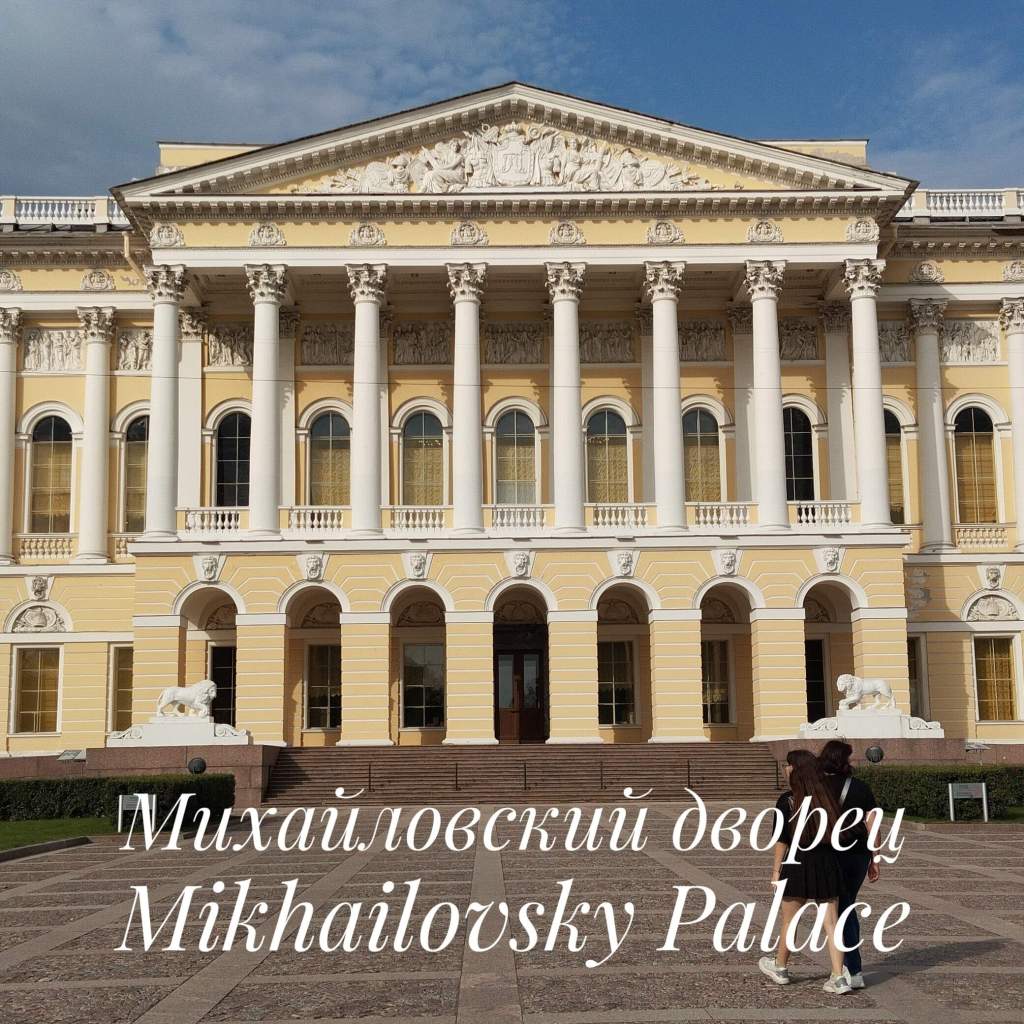
The Mikhailovsky Palace (Russian: Михайловский дворец) is a grand ducal palace in Saint Petersburg, Russia. It is located on Arts Square and is an example of Empire style neoclassicism. The palace currently houses the main building of the Russian Museum and displays its collections of early, folk, eighteenth, and nineteenth century art. It was originally planned as the residence of Grand Duke Michael Pavlovich, the youngest son of Emperor Paul I.
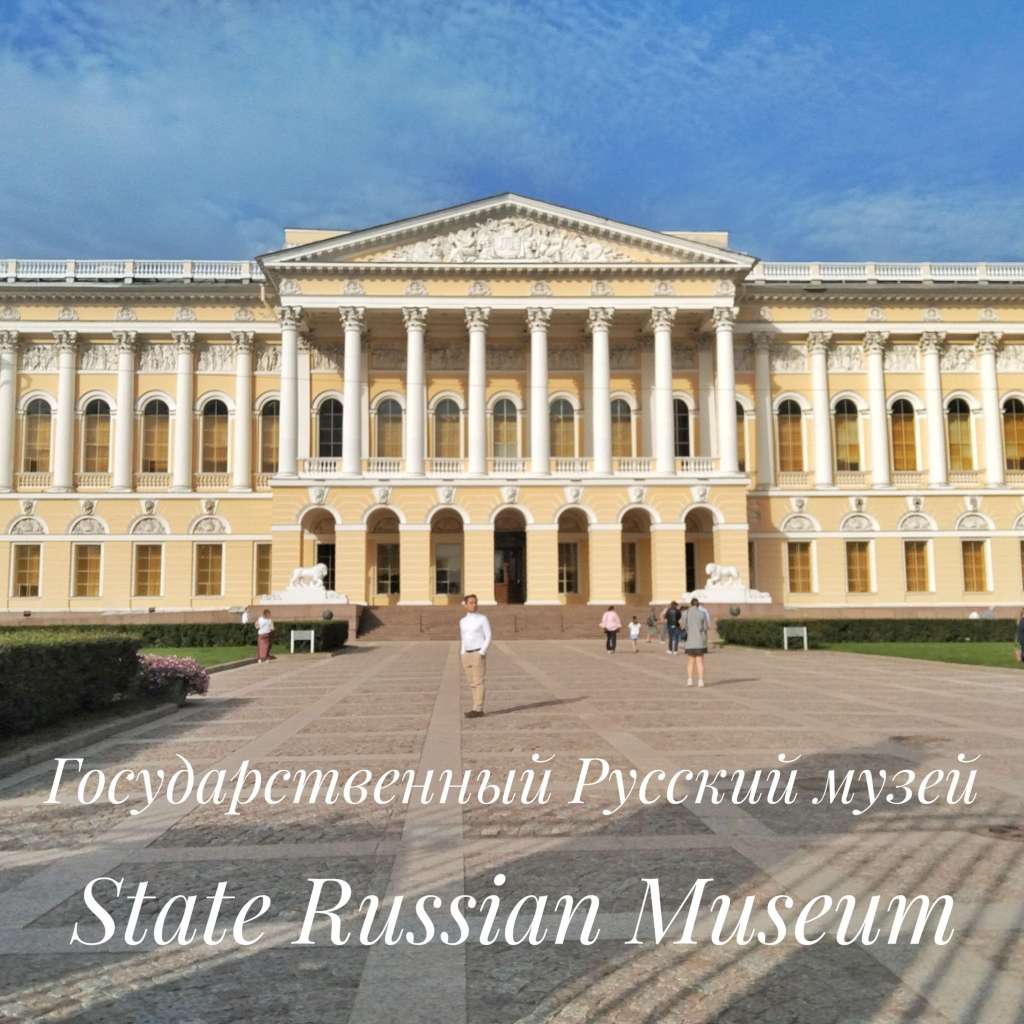
The State Russian Museum (Russian: Государственный Русский музей), formerly known as the Russian Museum of His Imperial Majesty Alexander III (Russian: Русский Музей Императора Александра III), on Arts Square in Saint Petersburg, is the world’s largest depository of Russian fine art. It is also one of the largest art museums in the world with a total area over 30 hectares. The museum was established on April 13, 1896, upon enthronement of the emperor Nicholas II to commemorate his father, Alexander III. Its original collection was composed of artworks taken from the Hermitage Museum, Alexander Palace, and the Imperial Academy of Arts. The task to restructure the interiors according to the need of future exposition was imposed on Vasily Svinyin. The grand opening took place on the 17 of March, 1898.
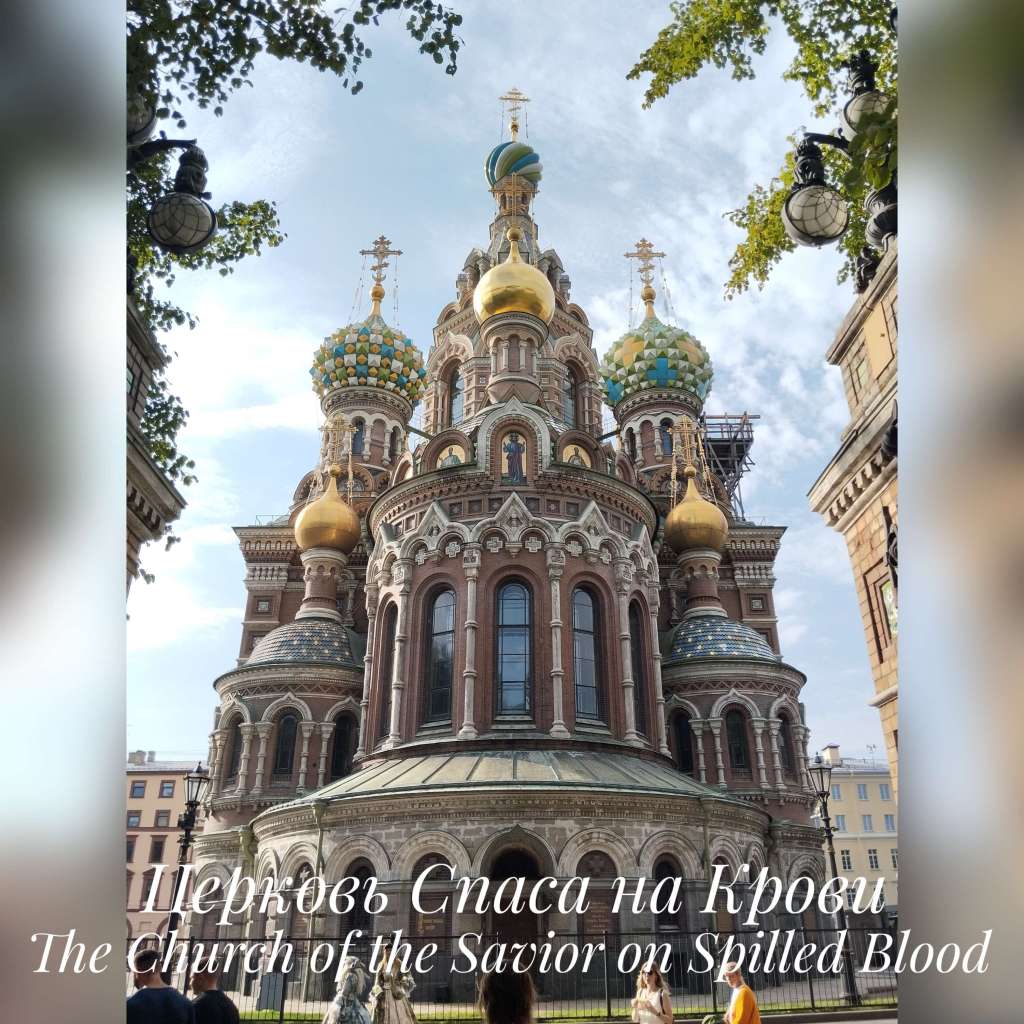
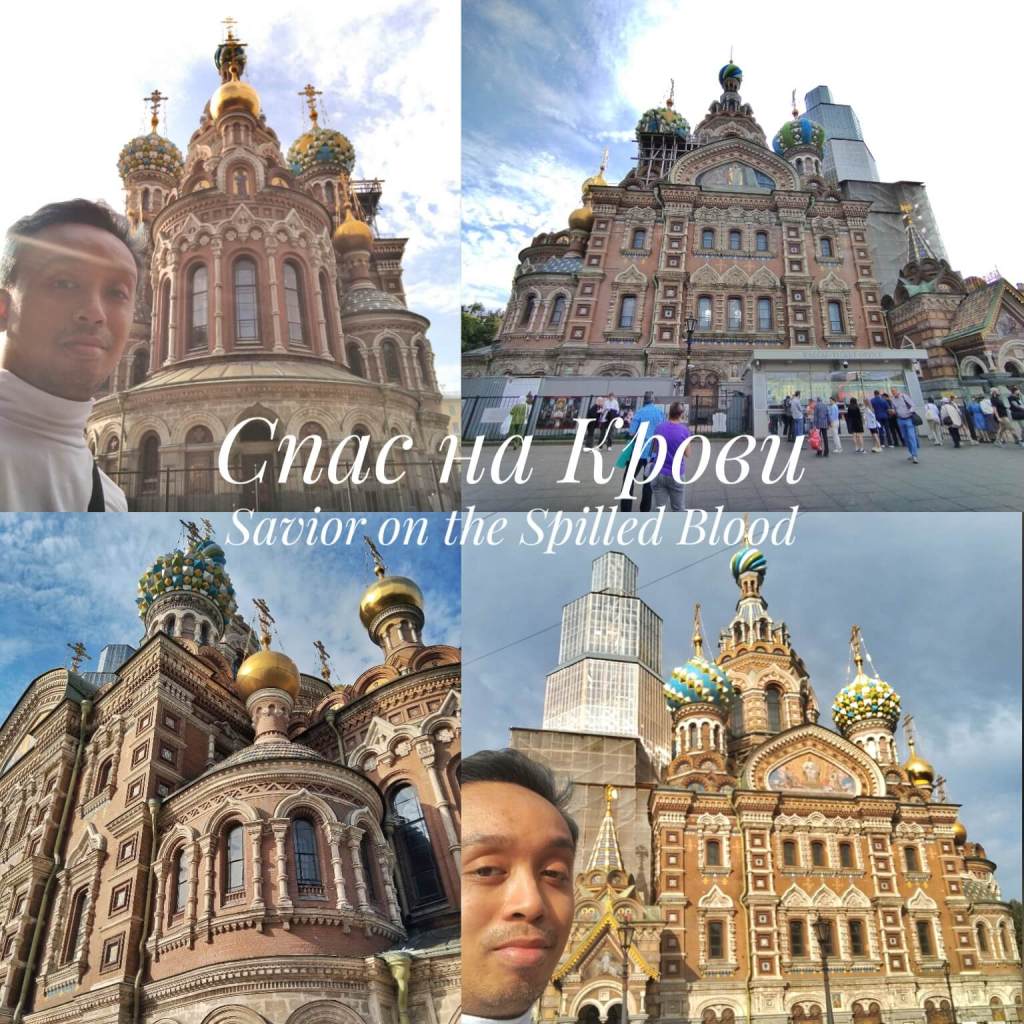
The Church of the Savior on Spilled Blood (Russian: Церковь Спаса на Крови, Tserkovʹ Spasa na Krovi) is a Russian Orthodox church in Saint Petersburg, Russia which currently functions as a secular museum and church at the same time. The structure was constructed between 1883 and 1907. It is one of Saint Petersburg’s major attractions. The church is prominently situated along the Griboedov Canal; paved roads run along both sides of the canal.
The church was erected on the site where Narodnaya Volya members assassinated Emperor Alexander II in March 1881. The church was funded by the Romanov imperial family in honor of Alexander II, and the suffix “on [Spilled] Blood” refers to his assassination. Construction began in 1883 during the reign of Alexander III, two years after the assassination of his father Alexander II. The church was consecrated as a memorial to his father. Estimates suggest that the construction cost 4.5 million rubles. The construction was completed during the reign of Nicholas II in 1907. Funding was provided by the Imperial family with the support of many private donors.
Nevsky Prospect (Russian: Не́вский проспе́кт, romanized: Nevsky Prospekt) is a main street (high street) located in the federal city of St. Petersburg in Russia. Its name comes from the Alexander Nevsky Lavra, the monastery which stands at the eastern end of the street, and which commemorates the Russian hero Prince Saint Alexander Nevsky (1221–1263). Following his founding of Saint Petersburg in 1703, Tsar Peter I planned the course of the street as the beginning of the road to Novgorod and Moscow. The avenue runs from the Admiralty in the west to the Moscow Railway Station and, after veering slightly southwards at Vosstaniya Square, to the Alexander Nevsky Lavra.
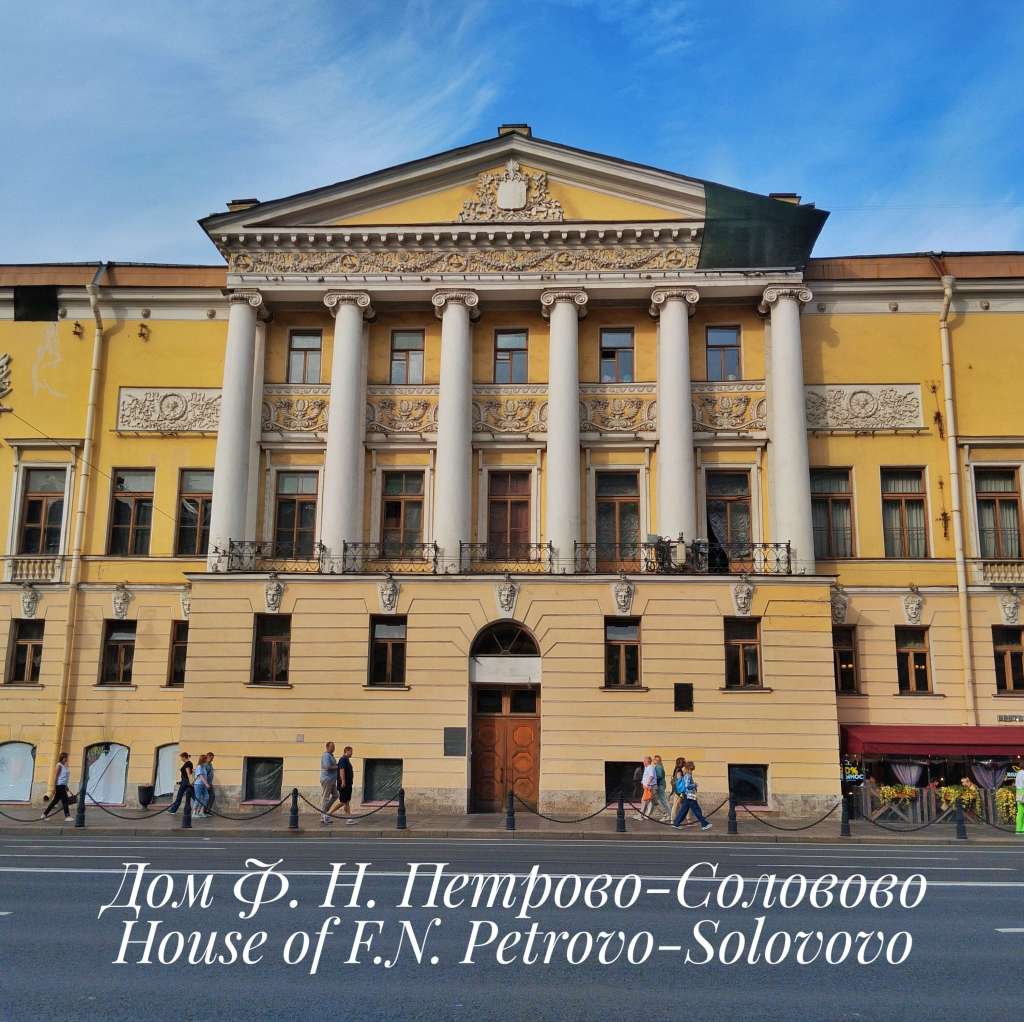
A Neoclassical palace owned by an ancient aristocratic family of Petrovo-Solovovo on Nevsky Avenue.
The downtown Saint Petersburg is very walkable so like I did, you can walk from Peter and Paul Fortress and cross the Neva River down to Millionnaya street and find you way around Admiralty and Nevsky Prospekt. Be amazed! (n_n)










 Ben Goes Where