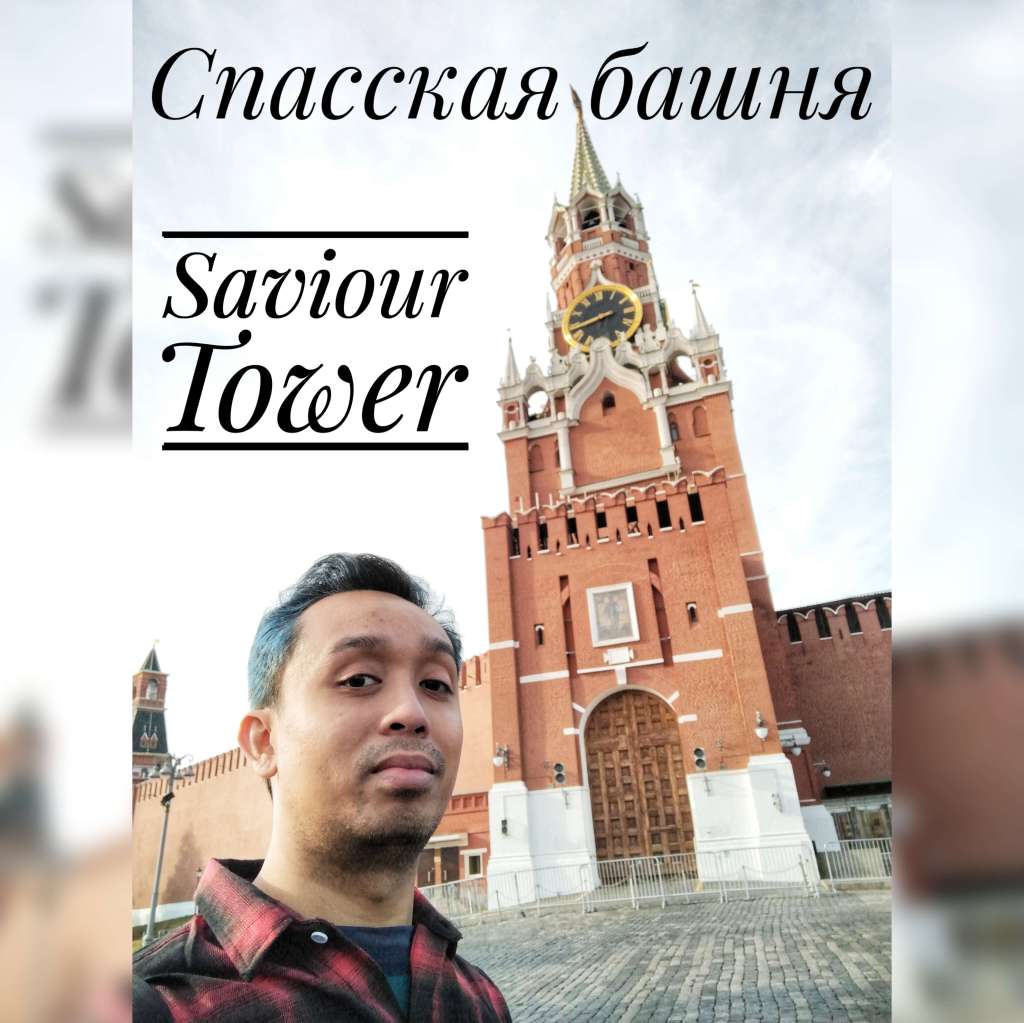
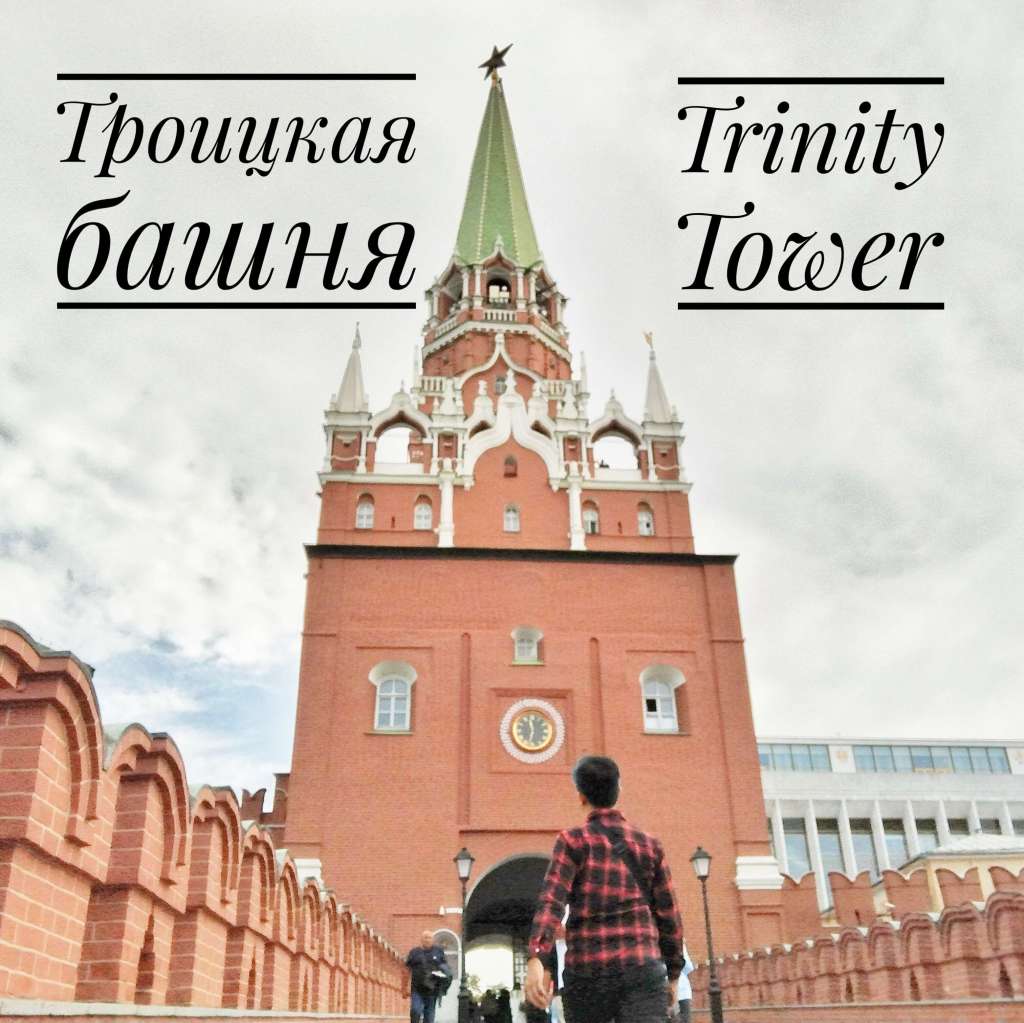
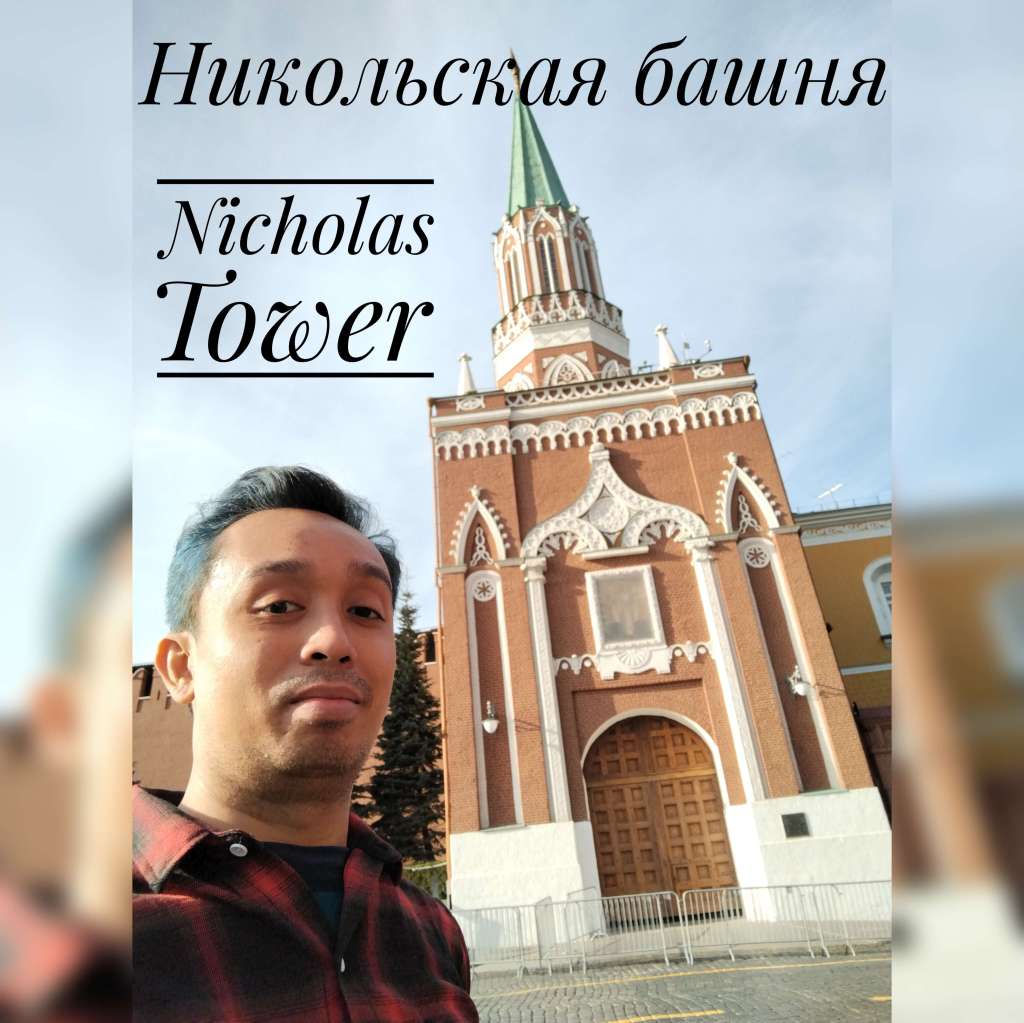
The Moscow Kremlin is one of the biggest architectural and urban development ensembles in the world. It stands in the center of the city, on the Borovitsky Hill situated on the Moskva River left bank. It resembles an irregular triangle. Walls’ height, narrow embrasures, places for staying during the fight and distances between the towers—all these tell us that the Kremlin is the fortress in the first place. But once you enter the Kremlin the feeling changes.
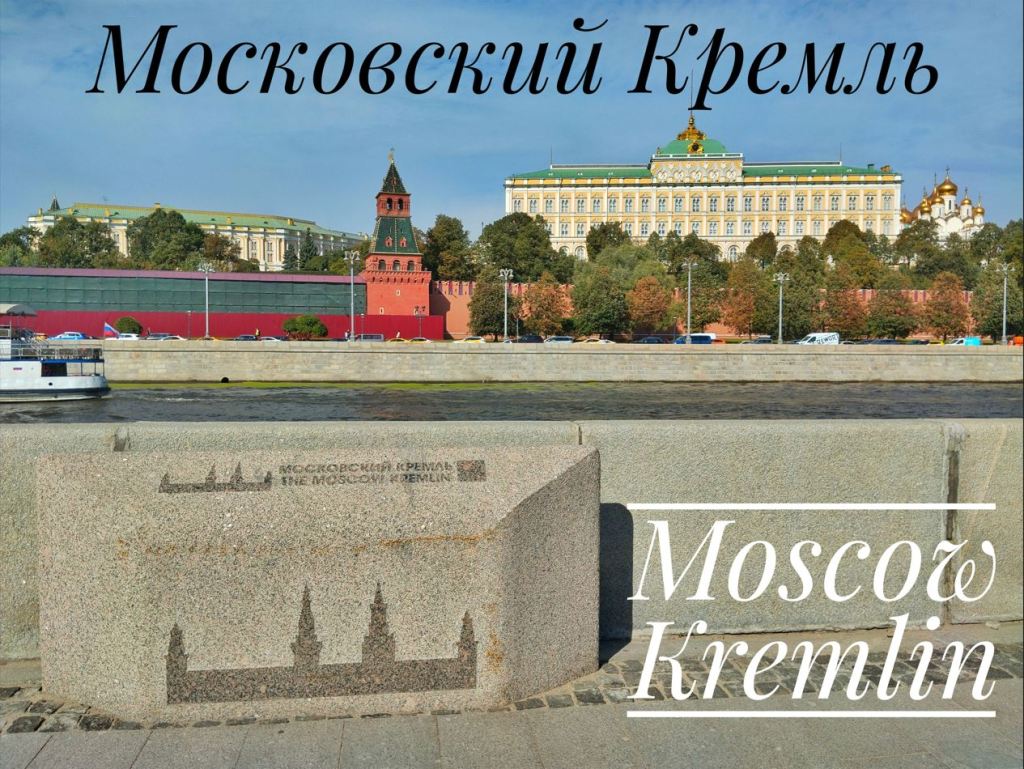
The territory of 27,5 hectare houses wide squares and beautiful gardens, majestic palaces and plenty of churches. The whole city in the city, which had been forming for many centuries, today preserves monuments of Russian architecture of the 14th–20th centuries. The cathedrals, churches, administrative buildings form the ensemble of Cathedral, Ivanovskaya, Senatskaya, Dvortsovaya and Troitskaya Squares, as well as Spasskaya, Borovitskaya, and Dvortsovaya Streets in the Kremlin. The ancient and the new squares form an architectural ensemble, but each component has its own history and unique architectural appearance.
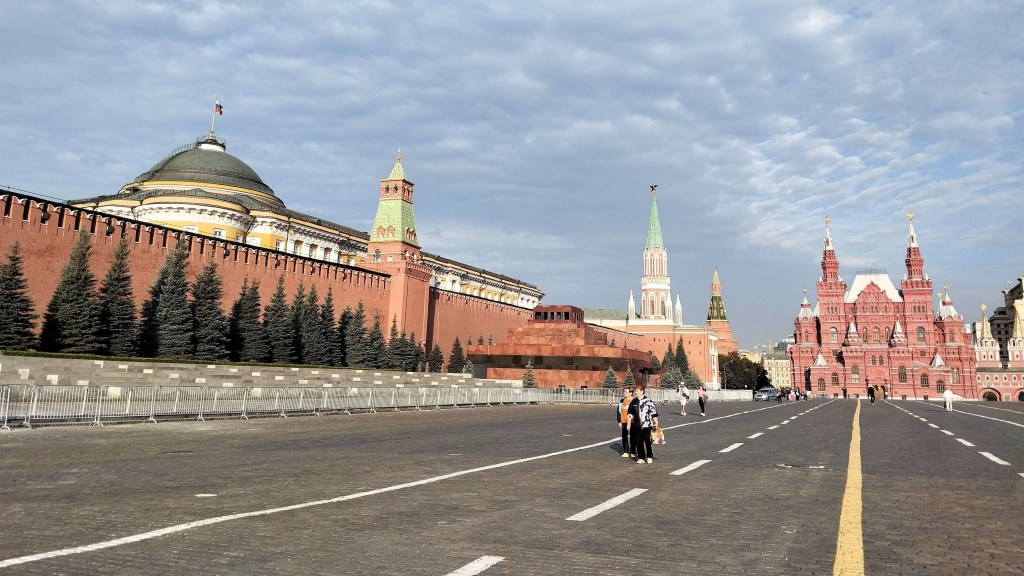
Ensemble of the Moscow Kremlin and Red Square, being a masterpiece of world architecture, is a symbol of Russia. Its forming continued for more than 500 years and was influenced by the history of Russian architecture as well as by its link with European cultural tradition. Monuments of the Moscow Kremlin and Red Square are the best samples of national architectural school. For many centuries the Moscow Kremlin served as great princes’, and then tsars’ residence, and today it is a residence of the President of the Russian Federation.
In this post, I’ll show the numbered attractions below and explain their significance in city’s historical fabric that led them to be inscribed in UNESCO World Heritage List. Buildings outside the Kremlin walls are discussed on a separate post.
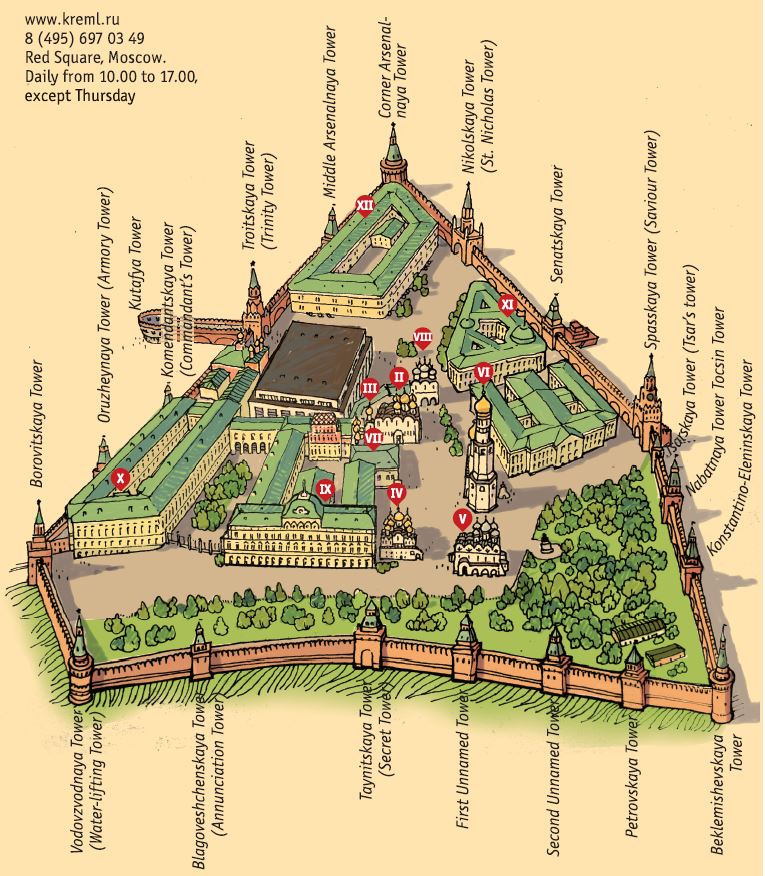
I. State Historical and Cultural Museum Reserve of Moscow Kremlin
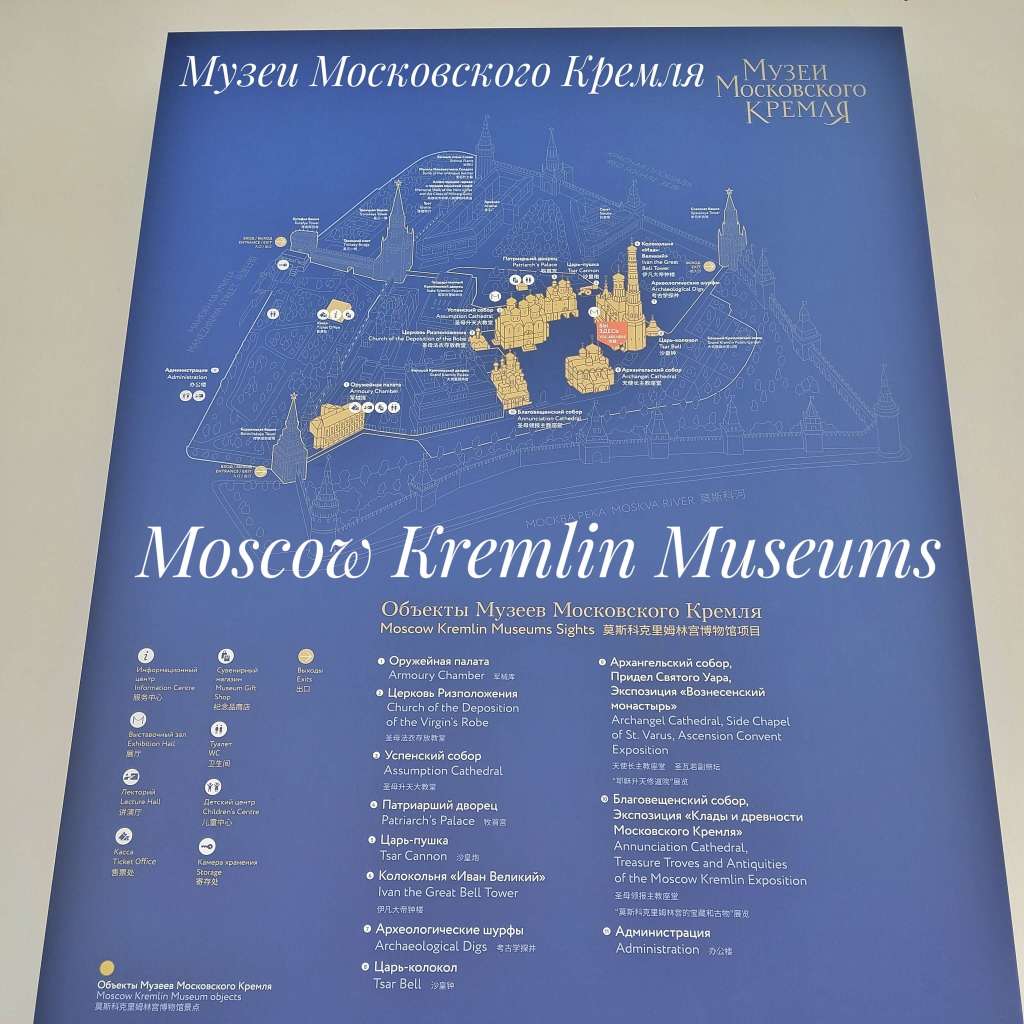
Moscow Kremlin Museums have the following parts:
Kremlin Armoury (Оружейная палата)
Diamond Fund (Алмазный фонд)
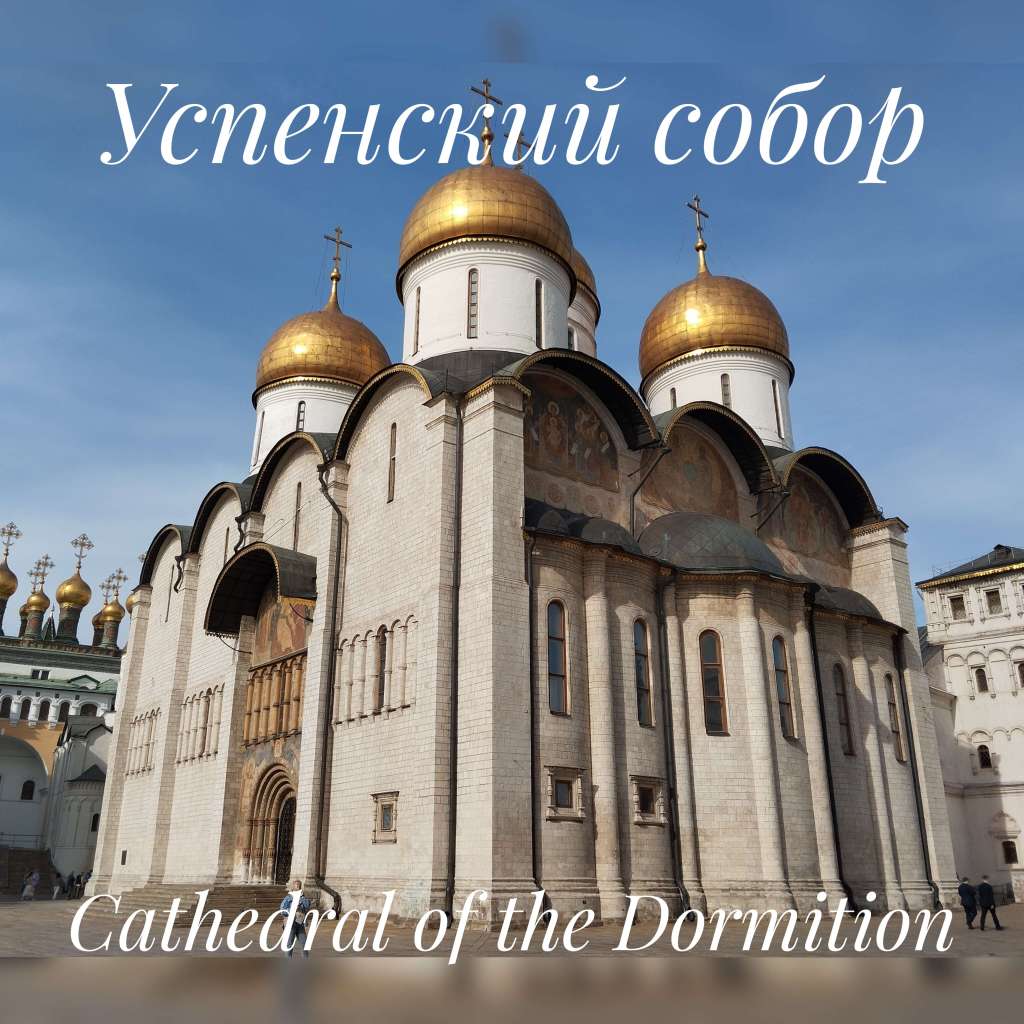
Dormition Cathedral (Успенский Собор)
Cathedral of the Archangel (Архангельский собор)
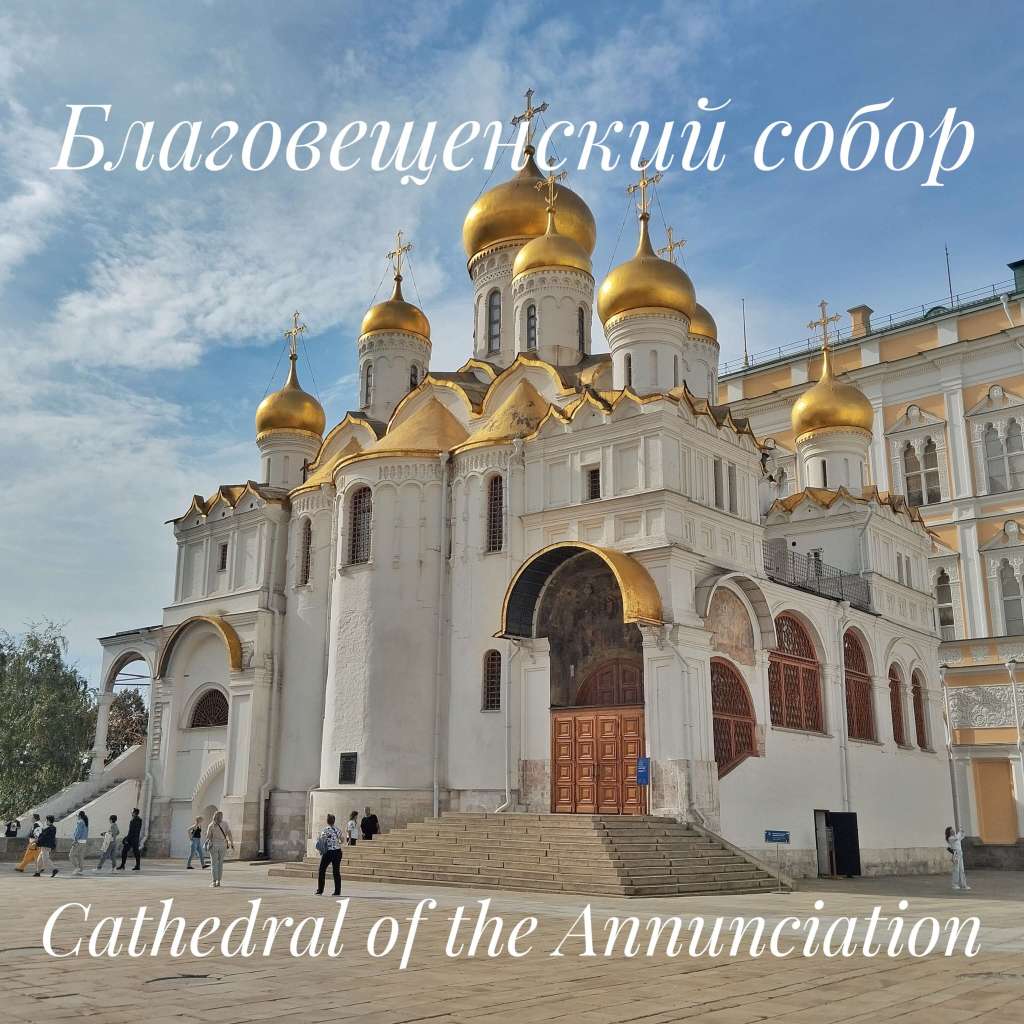
Cathedral of the Annunciation (Благовещенский собор)
Residence of Patriarchs and Church of the Twelve Apostles (Патриарший дворец и церковь Двенадцати апостолов)
Church of the Deposition of the Robe (Церковь Ризоположения)
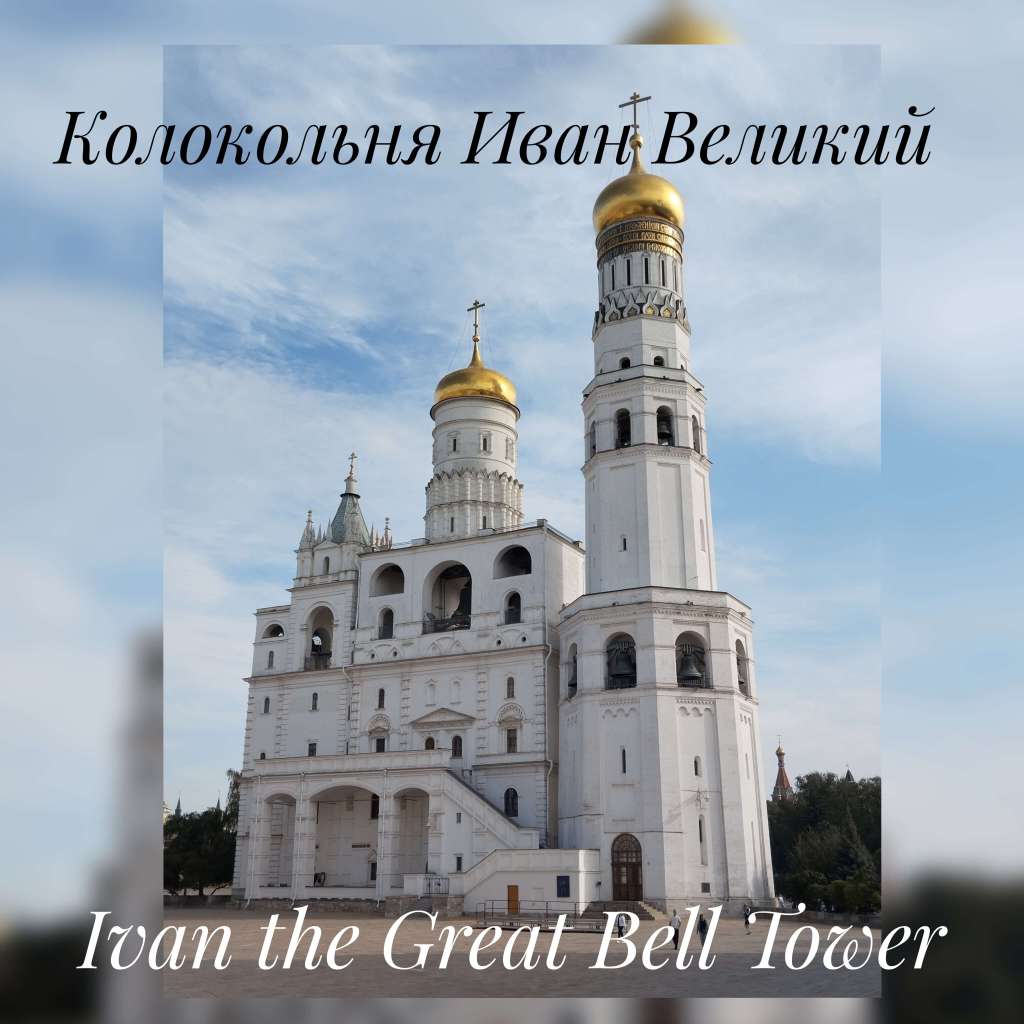
Ivan the Great Bell Tower (Колокольня Ивана Великого)

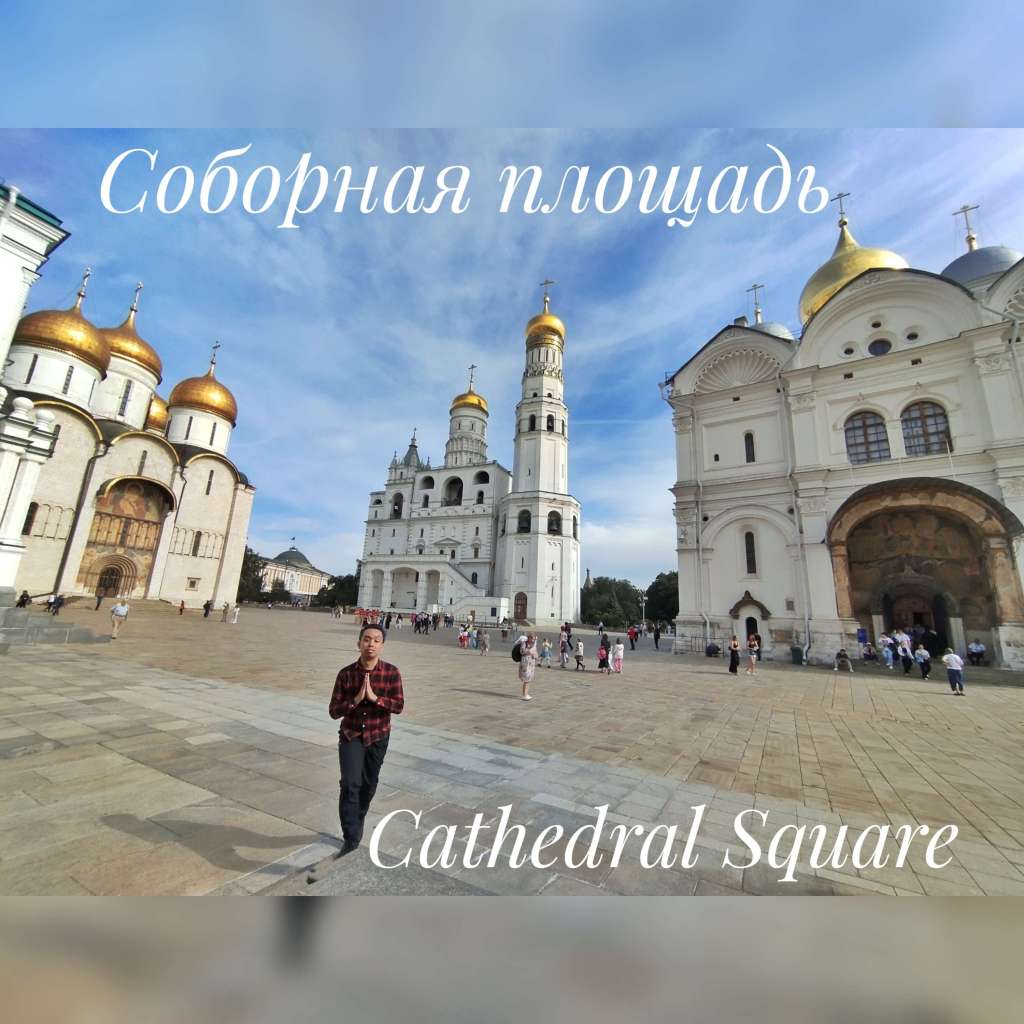
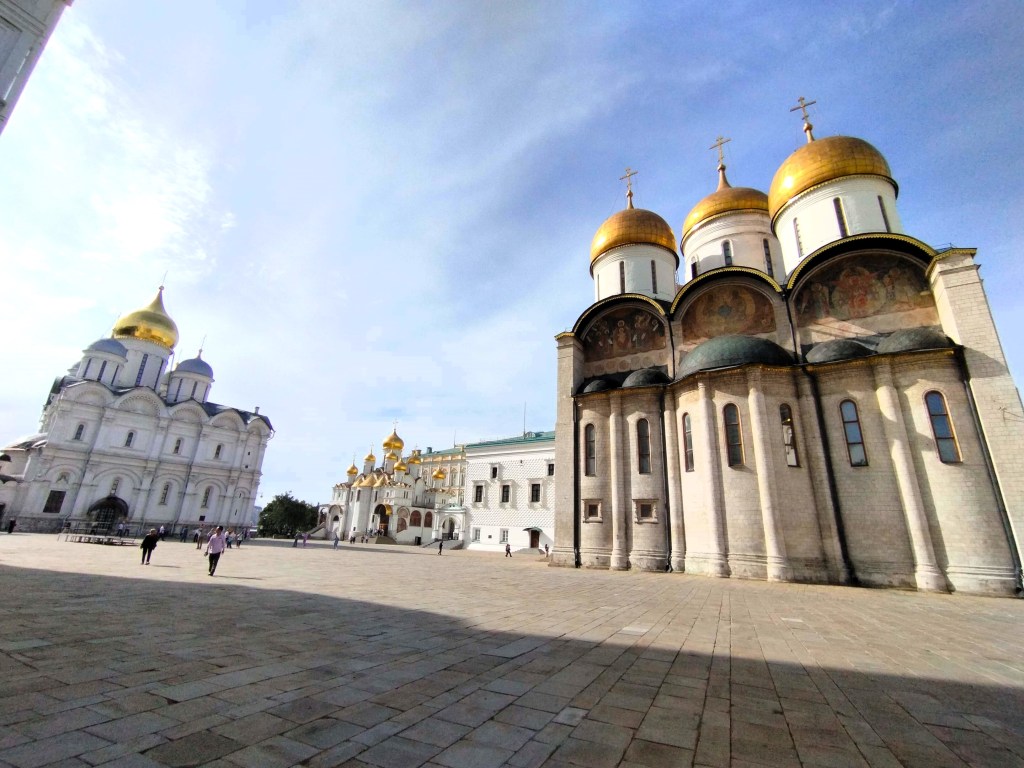
The square owes its name to the three cathedrals facing it – Cathedral of the Dormition, Cathedral of the Archangel, and Cathedral of the Annunciation. Apart from these, the Palace of Facets, the Church of the Deposition of the Robe and the Church of the Twelve Apostles are placed there. The tallest structure on the square (and formerly in all of Russia) is Ivan the Great Bell Tower, which also separates Sobornaya Square from Ivanovskaya Square.
Cathedral Square is famous as the site of solemn coronation and funeral processions of all the Russian tsars, patriarchs, and Grand Dukes of Moscow. Even today, the square is used in the inauguration ceremony of the President of Russia.
II. The Uspensky (Assumption Dormition) Cathedral
III. The Rizopolozheniya Church (Church of the Deposition of the Robe)

IV. The Blagoveshtchensky (Annunciation) Cathedral
V. The Archangelsky (Archangel) Cathedral

VI. Ivan the Great Bell Tower

The history of making the bell is full of many difficulties, failures, and disasters. The bell was formed and cast in a special moulding pit at Ivanovskaya Square to the east of the ‘Ivan the Great’ Bell Tower.
Woodcarvers from St. Petersburg—Vasily Kobelev, Pyotr Galkin, Pyotr Kokhtev, Pyotr Serebryakov and the moulding master Pyotr Luokovnikov were commissioned to make the relief ornamentation. The name of the sculptor was discovered not long ago—it was Feodor Medvedev who got educated in Italy. Preparatory works took almost two years. At the end of 1734, the masters began the heating of metal in specially built furnaces, but soon the leakage was found out. At the same time, the fire destroyed wooden lifting constructions above the bell. The work was recommenced, but when Ivan Motorin died in August 1735, his son was entrusted with the work.
The Tsar Bell was finally cast in November 1735. However, it still remained in the moulding pit. In May 1737, a terrible fire known as Troitsky broke out and spread to the Kremlin buildings. During the fire extinguishing, cold water fell on the bell itself. Temperature difference caused its crack, and a huge piece of 11.5 ton broke off.
The repeated attempts to lift up the bell were a failure. In 1836, the work was commissioned to French architect from St. Peterburg Auguste Montferrant, who designed the lifting construction and an octal sandstone pedestal for the Tsar Bell. The first lifting was a failure; then the device was improved and the Tsar Bell was pulled out from the moulding pit at last. It remains there up till now as an example of the art of casting.
The Tsar Bell is decorated with bas-relief portraits of Tsar Alexey Mikhailovich and Empress Anna Ioannovna; it is adorned both with floral ornament in the baroque style and images of saints, angels and inscriptions telling the story of the bell.

It was created in 1586 in Moscow’s Cannon Court by eminent Russian cannon-caster Andrei Chokhov on the order of Tsar Feodor Ioannovich, the sovereign ruler of All Great Russia. The Tsar Cannon is located at the west side of Ivanovskaya Square, between the ‘Ivan the Great’ Bell Tower and the Twelve Apostles’ Church.
Judging by the Tsar Cannon’s calibre of 890 mm, it was given its name as the world’s biggest cannon. The gun’s tube’s weight is about 40 ton, its length is 5,34 m. The cannon’s surface is adorned with the cast figured friezes, vegetation ornament, memorial inscriptions and an equestrian image of Tsar Feodor Ioannovich. In 1835, the Tsar Cannon was fixed on the carriage specially cast for it at the Berdt’s factory in St. Petersburg. Four hollow decorative cannonballs were made at the same time.
The Tsar Cannon has never shot. By force of historical circumstances, it was never used in a war.
VII. The Palace of the Facets

VIII. Patriarch’s Chambers with the Church of the Twelve Apostles

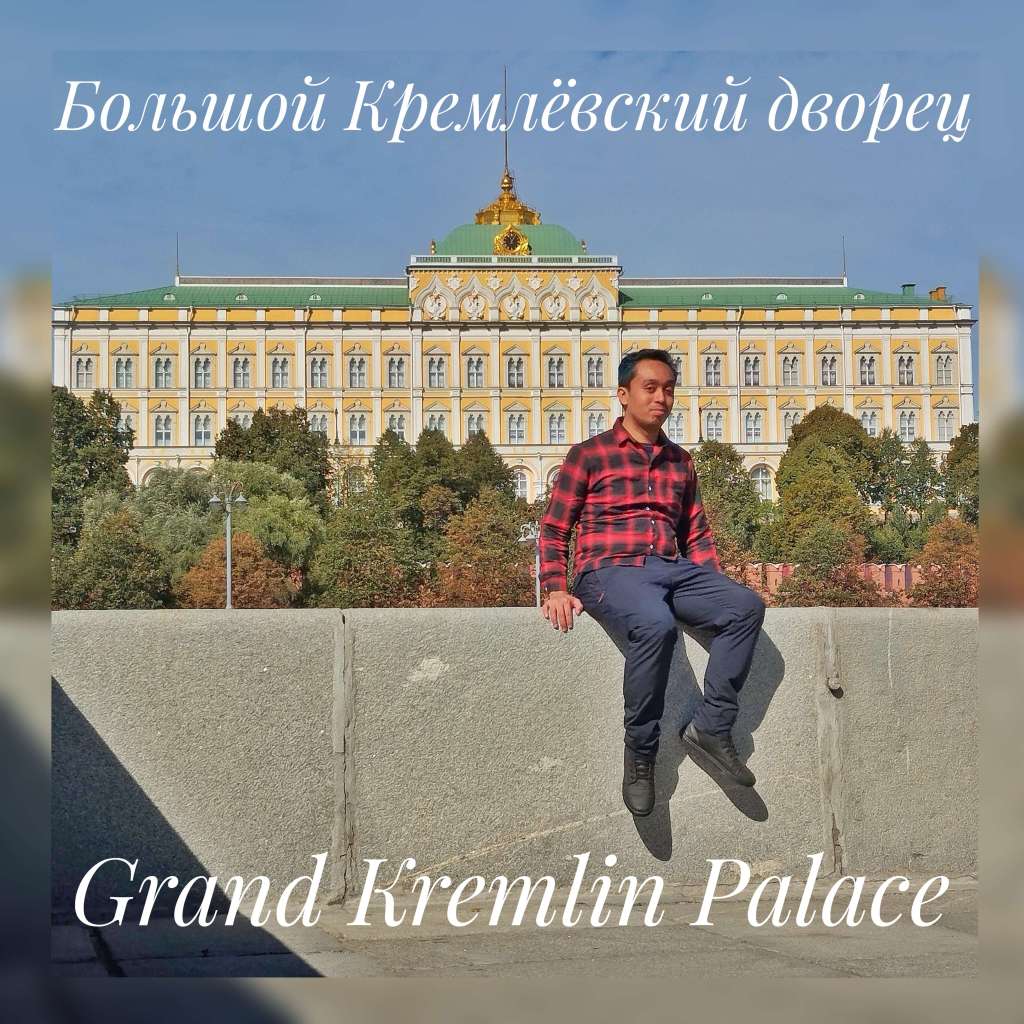
IX. The Grand Kremlin Palace and the
X. The Armory Chamber
The author was K. A. Thon, the famous architect who also built the Cathedral of Christ the Savior. Armory Chamber is considered to be the first museum in Moscow, and its history as a museum starts with the Decree issued on March 10 of 1806 by Emperor Alexander I and was titled “About Rules of Management and Preservation of Antiquities in Order and Integrity in the Workshop and the Armory Chamber”.
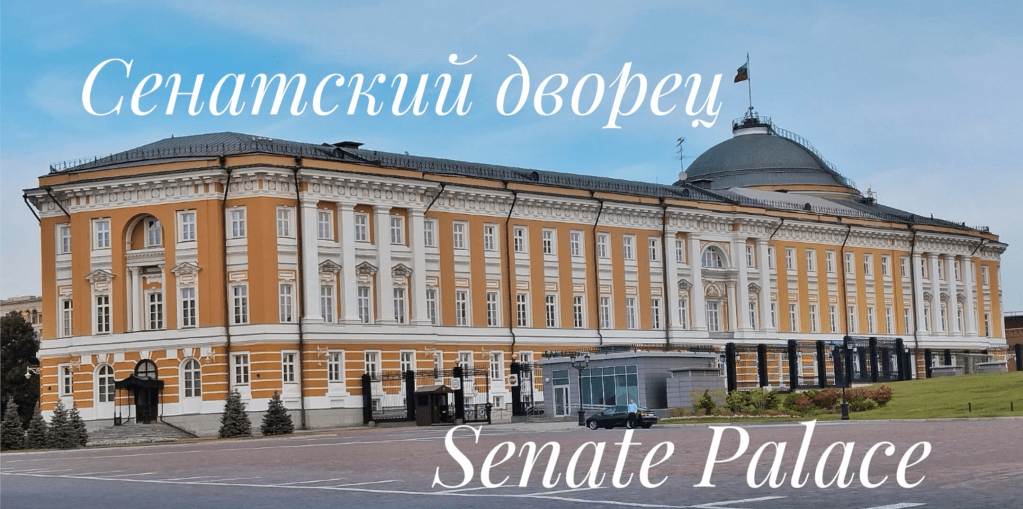
XII. Senate Palace
XIII. Arsenal


For more posts about Russia, kindly click below:
RUSSIAN E-VISA: REQUIREMENTS & ONLINE APPLICATION
RUSSIA: Walking Around the Heart of Moscow
RUSSIA: Moscow’s Most Beautiful Metro Stations and Where To Find Them
RUSSIA: Discover the Iconic Landmarks of Saint Petersburg
RUSSIA: Tsarskoe Selo and Saint Petersburg’s Suburban Landmarks
RUSSIA: The Gleaming Treasures of Hermitage Museum
RUSSIA: Saint Petersburg’s Most Beautiful Metro Stations and Where To Find Them
 Ben Goes Where
7 thoughts on “RUSSIA: Exploring Moscow Kremlin Museums and Attractions”