Moscow (Russian: Москва) is the capital and largest city of Russia. The city stands on the Moskva River in Central Russia, and is among the world’s largest cities, being the most populous city in its entirety in Europe, the largest urban and metropolitan area in Europe, and the largest city by land area on the European continent. First documented in 1147, Moscow grew to serve as the capital of the Grand Duchy of Moscow. When the Tsardom of Russia was proclaimed, Moscow remained the political and economic center for most of its history.
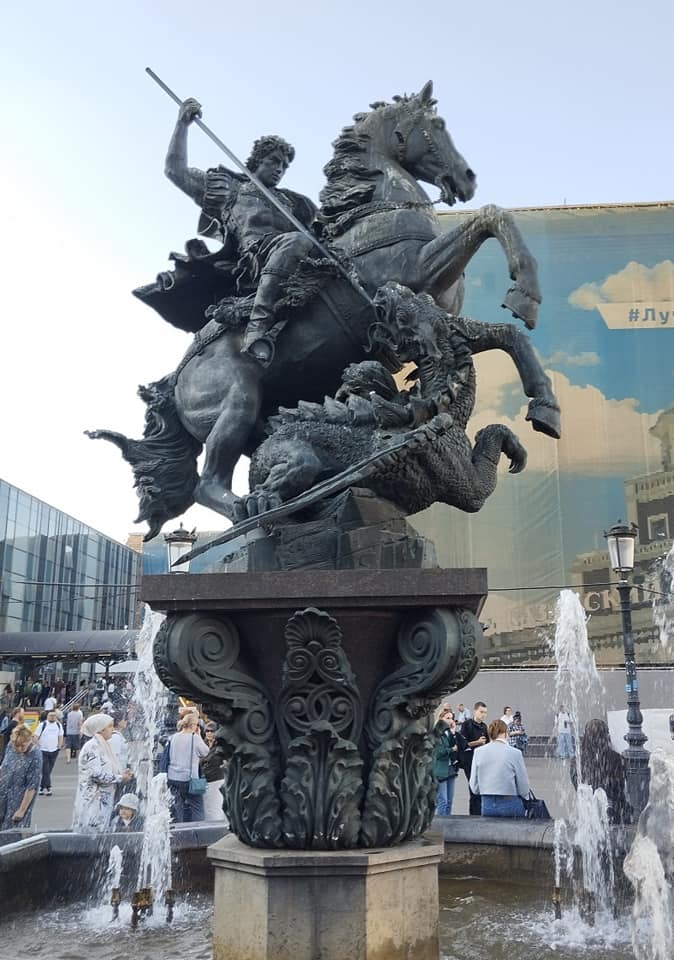
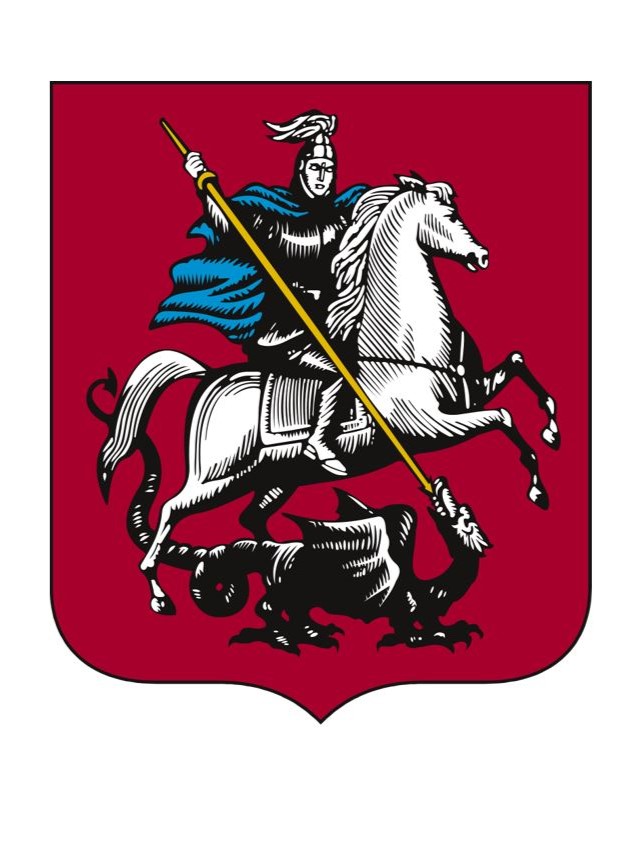
Георгий Победоносец Saint George the Victorious near Komsomolskaya StationCoat of arms of Moscow Adopted 23 November 1993 (current version)The coat of arms of Moscow depicts a horseman with a spear in his hand slaying a basilisk and is identified with Saint George and the DragonСвятой Георгий и дракон. The heraldic emblem of Moscow has been an integral part of the coat of arms of Russia since the 16th century. In a legend, Saint George—a soldier venerated in Christianity—defeats a dragon. The story goes that the dragon originally extorted tribute from villagers. When they ran out of livestock and trinkets for the dragon, they started giving up a human tribute once a year. This was acceptable to the villagers until a princess was chosen as the next offering. The saint thereupon rescues the princess and kills the dragon. The narrative was first set in Cappadocia in the earliest sources of the 11th and 12th centuries, but transferred to Libya in the 13th-century Golden Legend.
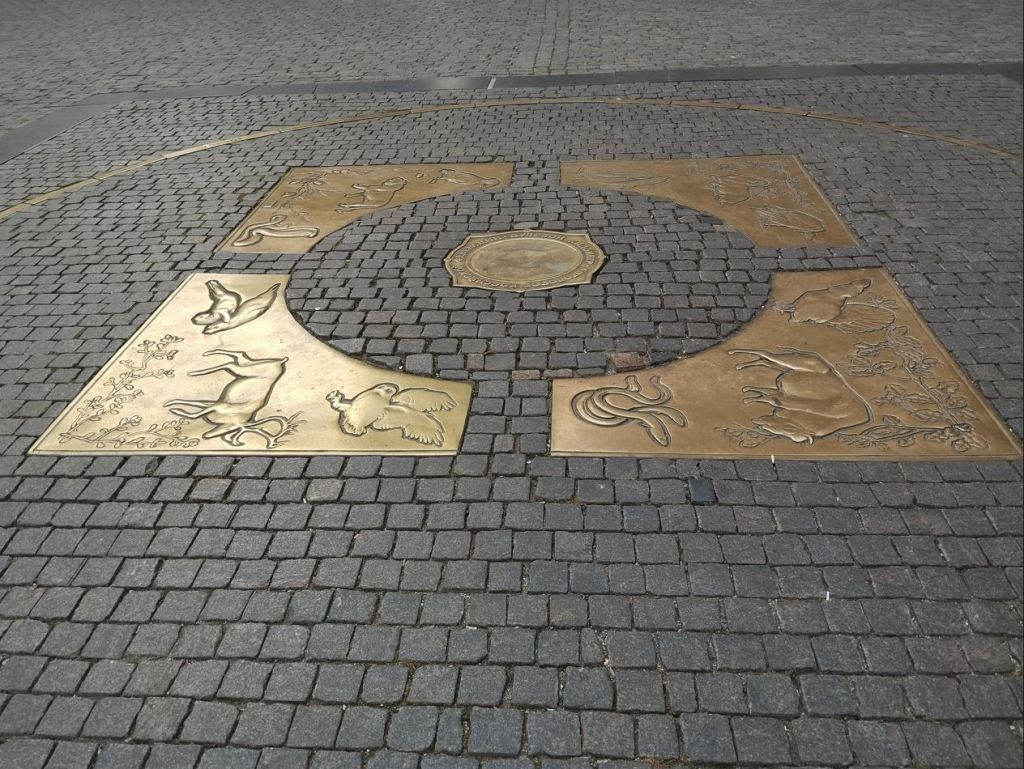
Автодорог Российской Федерации. Нулевой Километр “Highways of the Russian Federation. Zero Kilometer” The bronze plaque marking Russia’s kilometre zero is in Moscow, just in front of the Iberian Chapel, in a short passage connecting Red Square with Manege Square and flanked by the State Historical Museum and the State Duma.
Under the reign of Peter the Great, the Russian capital was moved to the newly founded city of Saint Petersburg in 1712, decreasing Moscow’s influence. Following the Russian Revolution and the establishment of the Russian SFSR, the capital was moved back to Moscow in 1918, where it later became the political center of the Soviet Union. In the aftermath of the dissolution of the Soviet Union, Moscow remained the capital city of the newly established Russian Federation.
The city’s name is thought to be derived from the Moskva RiverМосква-река. Theories of the origin of the name of the river have been proposed. The most linguistically well-grounded and widely accepted is from the Proto-Balto-Slavic root *mŭzg-/muzg– from the Proto-Indo-European *meu– “wet”, so the name Moskvamight signify a river at a wetland or marsh.
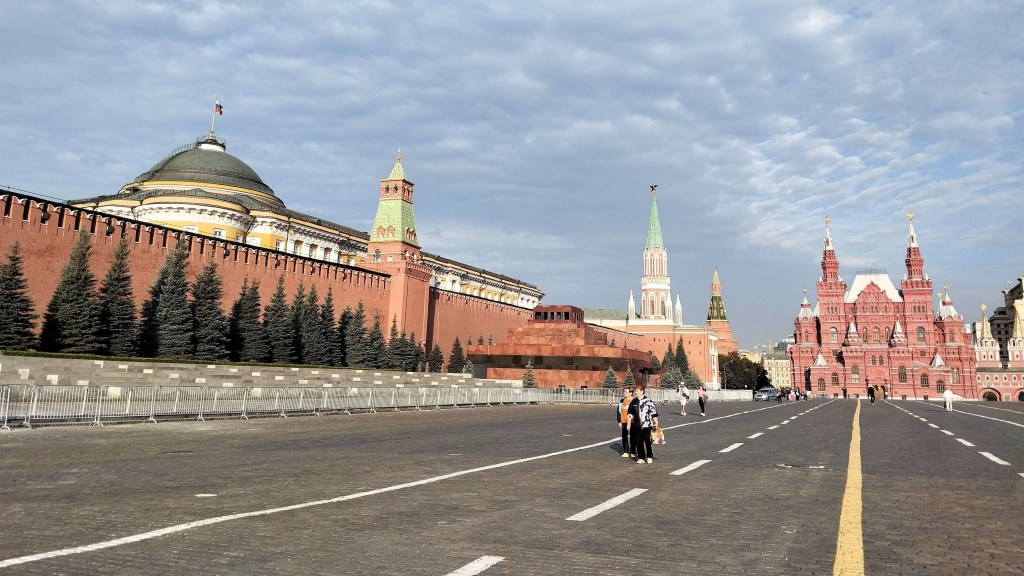
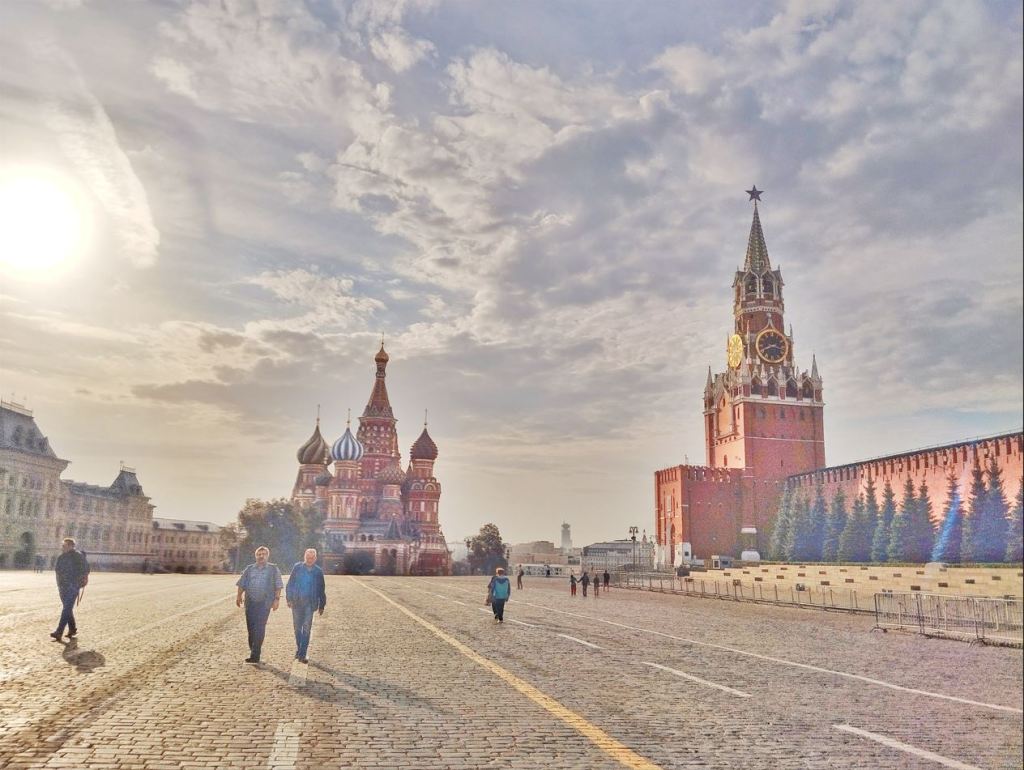
The Moscow Kremlin and Red Square – are the cultural heritage sites of the UNESCO Ensemble of the Moscow Kremlin and Red Square, being a masterpiece of world architecture, is a symbol of Russia. Its forming continued for more than 500 years and was influenced by the history of Russian architecture as well as by its link with European cultural tradition. Monuments of the Moscow Kremlin and Red Square are the best samples of national architectural school. For many centuries the Moscow Kremlin served as great princes’, and then tsars’ residence, and today it is a residence of the President of the Russian Federation.
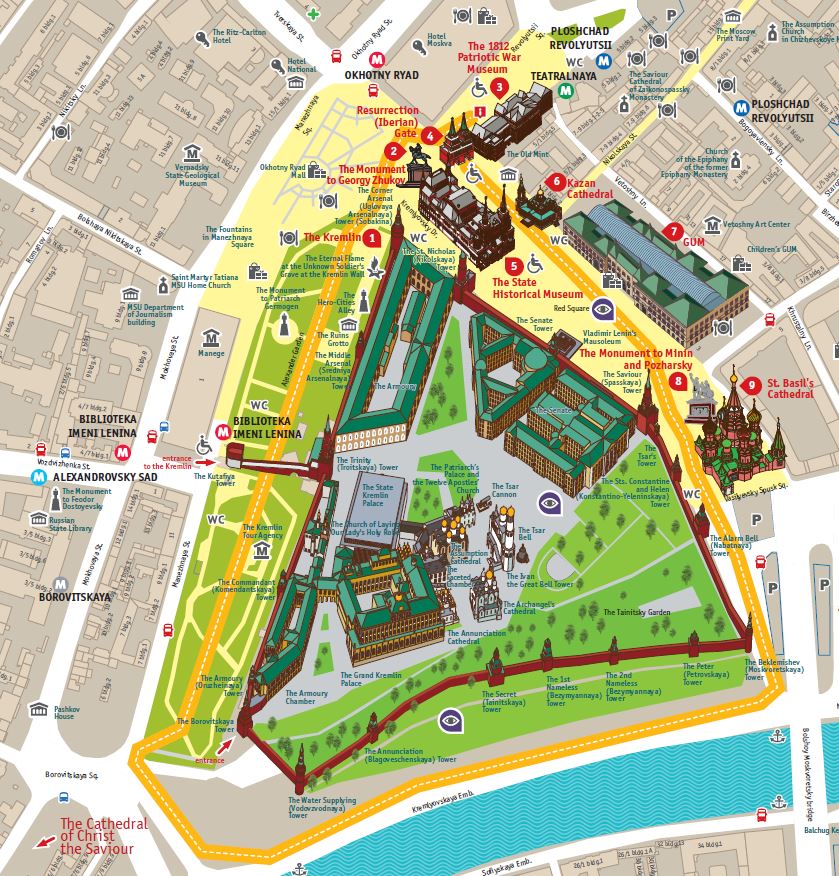
In this post, I’ll show the attractions below and explain their significance in city’s historical fabric that led them to be inscribed in UNESCO World Heritage List. Buildings within the Kremlin walls will be discussed on a separate post.
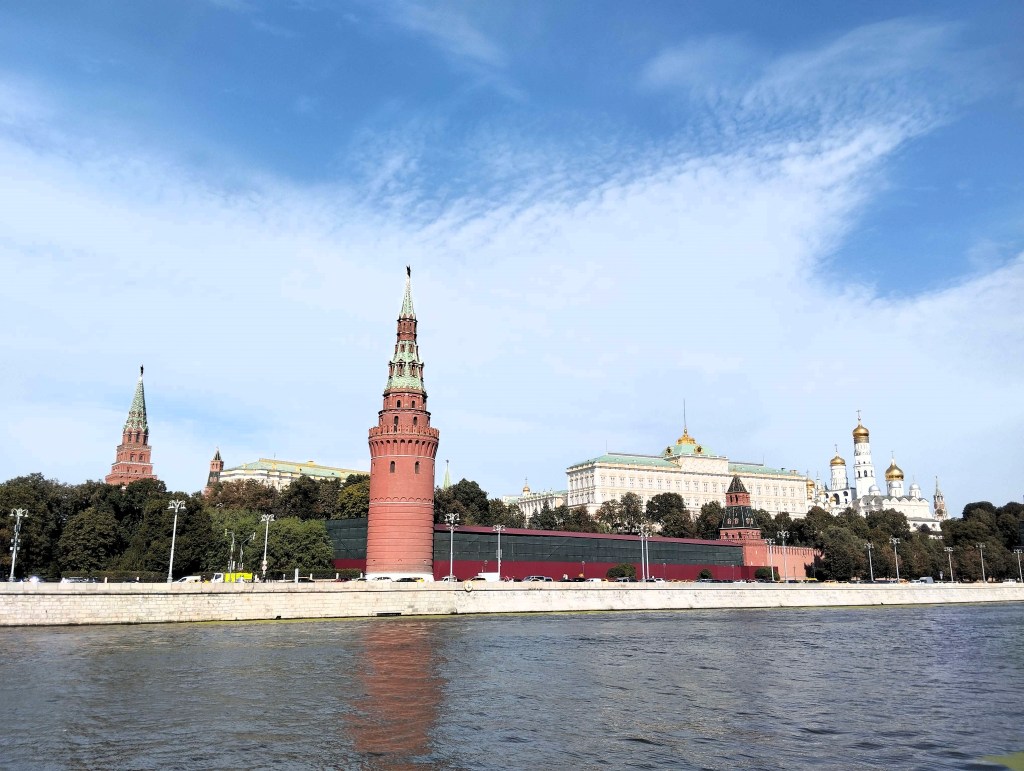
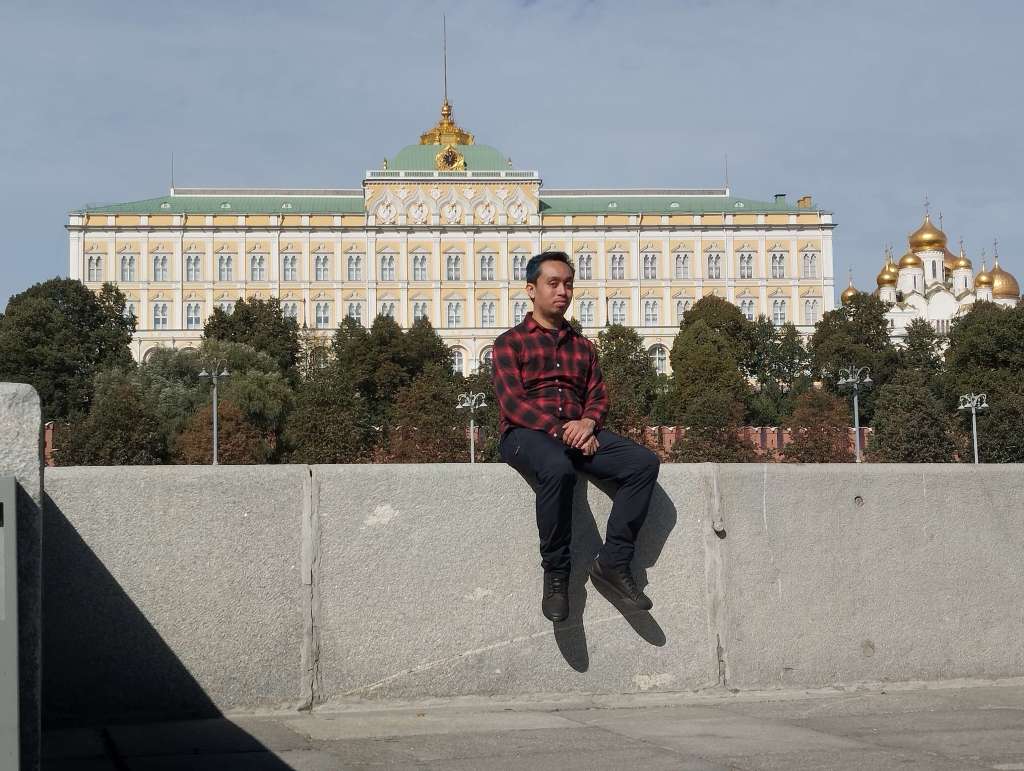
The Heart of Moscow: The Moscow Kremlin or simply the Kremlin is a fortified complex in Moscow, Russia. Located in the centre of the country’s capital city, it is the best known of the kremlins (Russian citadels) and includes five palaces, four cathedrals, and the enclosing Kremlin Wall along with the Kremlin towers. Within the complex is the Grand Kremlin Palace, which served as the royal residence of the Emperor of Russia. It is now the official residence of the President of the Russian Federation. The Kremlin overlooks the Moskva River to the south, Saint Basil’s Cathedral and Red SquareКрасная площадь to the east, and Alexander Garden to the west. The name kremlin means ‘fortress within a city’ in Russian, and is often also used metonymically in international politics to refer to the Government of the Russian Federation.
1. The Kremlin Кремль
The role of the Moscow Kremlin Московский Кремль in Russian history cannot be overestimated. Today this is, first of all, the place where the fortunes of the country are being shaped, but its cultural and historical value is of equal importance. The most ancient structures of the Kremlin date back to the latter half of the fifteenth century; these include the walls, towers and the Cathedral Square ensemble. The historical buildings house 7 museums including the Armoury Chamber; Ivan the Great Bell Tower ensemble; the Cathedral of the Dormition where the mid 17th century paintings are preserved, etc. There are quite a lot of unique items within the territory of the Kremlin, including the striking with their extraordinary dimensions outstanding castings Tsar Cannon and Tsar Bell. Objects of special interest include the twenty differently looking towers located along the Kremlin Wall, the Palace of the Facets which is one of the oldest civil buildings of Moscow, the Grand Kremlin Palace built in 1838–1849 upon the design of a Russian architect Thon. If you don’t have time for a thorough going excursion to the Kremlin, just walk around it. This cannot leave anybody untouched because the Moscow Kremlin architectural complex is in the UNESCO World Heritage List for a good reason. More details on a separate post.
2. The Monument to Georgy Zhukov Памятник маршалу Г.К. Жукову
The equestrian statue of the Marshall of the Victory Zhukov, created by sculpturer Klykov, was installed opposite the Historical Museum in 1995 in honor of the 50th anniversary of the victory in the Great Patriotic War.
3. The 1812 Patriotic War Museum Музей Отечественной войны 1812 года
In 2012, celebration of the victory over Napoleon raised a wave of interest to the two-hundred-years-ago events. For all those not indifferent to history, eager to learn as much as possible about the past of their country, the museum was founded that has brought together a vast pool of information about that time.
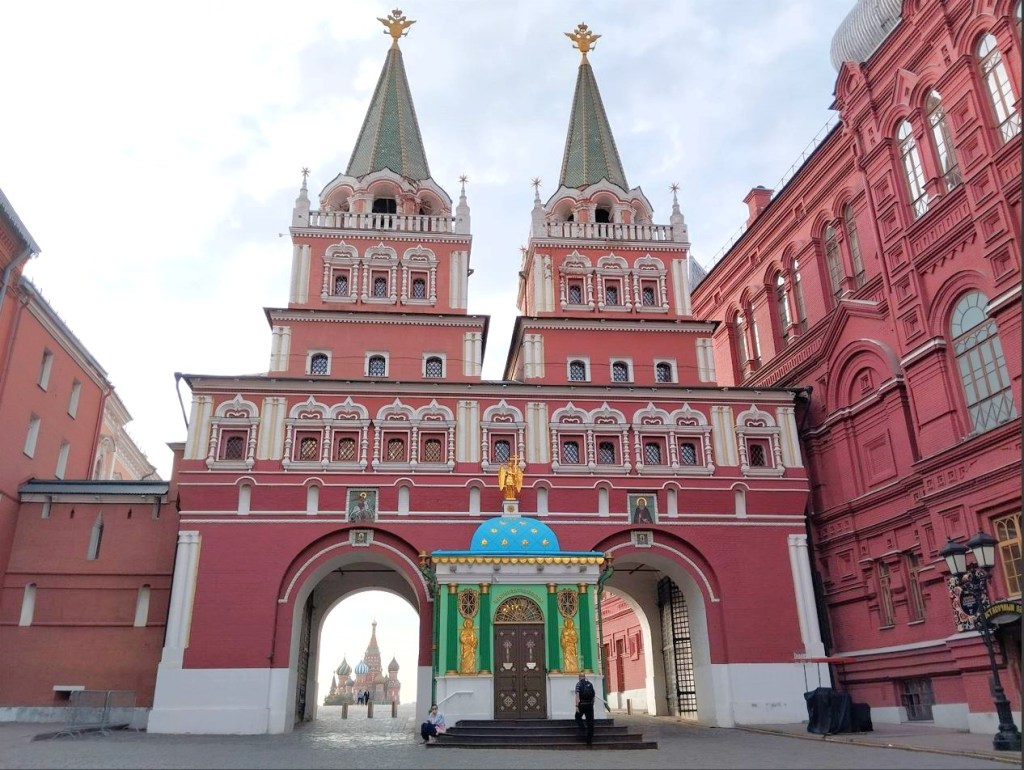
4. Resurrection (Iberian) Gate Воскресенские (Иверские) ворота
Usually Red Square can be approached through the gate named after the chapel where a copy of the icon of Our Lady of Iveron is kept. Both the gate and the chapel are modern, reconstructed in 1995 as the original structures were demolished in the Soviet times. Another name of the gate, Resurrection Gate, is preserved from the time when the Resurrection Bridge via the Neglinka river ran up here. Nowadays, this river is contained in an underground pipe; previously it used to flow along the Kremlin walls where Alexander Garden are situated now.
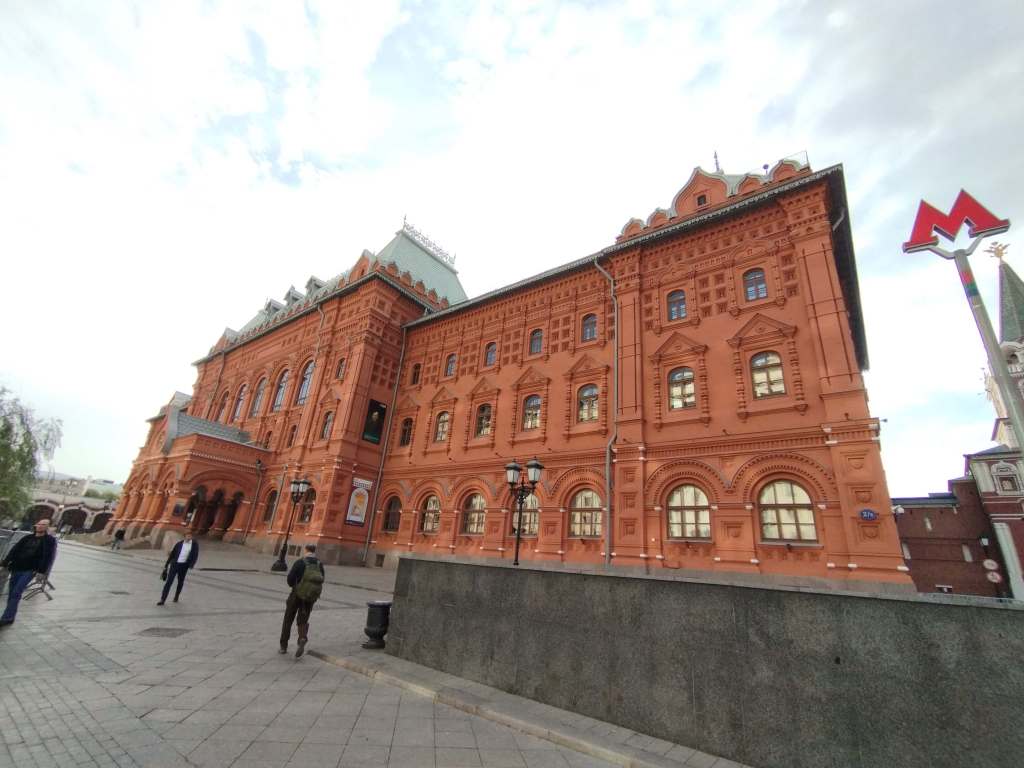
5. The State Historical Museum Государственный исторический музей
One of the main museums of Moscow and the entire Russia. In it, items are collected credibly reflecting the historical events of our country including documents, household items, applied works, etc. The manner of representation of the material is of no less importance: the design of the exhibition halls matches the epochs, and the historical accuracy was the responsibility of outstanding scientists.
6. Kazan Cathedral Казанский собор
This church is also a modern reconstruction (1990-1993) of Kazan Cathedral demolished in 1936. A wooden church in this place is first mentioned in the early 17th century, its construction is associated with the name of Prince Dmitry Pozharsky. The stone Kazan Cathedral was built in 1636, it reflects all typical features of Russian church architecture.
Red square Красная площадь. In historicians’ opinion, there was a square here as early as in the late fifteenth century, when the city’s activity, trade first of all, started to go beyond the Kremlin. It was called Troitskaya after the church which used to be here. As buildings were wooden in those days and frequently caught fire, it got a notorious name of Pozhar (Fire). But from the second half of the seventeenth century during Alexey Mikhailovich’s reign it is mentioned as Red Square in official documents. In the Russian language, “red” used to have several meanings understandable to the present day: “the red (beautiful) corner” means the best spot in the house, “the red porch” is the front entrance, “the red lass” is a beauty, etc. Therefore, the name of the square can be interpreted as the most important and beautiful. It is here that many milestone events tookplace; from this pl ace via the Spasskiye (Frolovskiye) Gate the road lead to the Red Porch of the Tsar Palace. Today, Red Square remains the main square of Moscow, keeping its wealth of history. Military parades, concerts, other exciting events take place here; in winter an open skating rink is arranged here.
7. GUM Государственный Универсальный Магазин
The Main Universal Store is probably the most popular trade institution of Russia. The place has a rich history, there has been the marketplace since the 15th century. The names of the local side streets reflect the types of products that used to be sold and purchased by our ancestors:Khrustalnyi (Crystal) Lane, Rybny ( Fish) Lane, Vetoshny (Rag) Lane. The modern building was opened in 1893, but there had been its predecessor. Nowadays, GUM is a universal shopping complex. Apart from stores, there are also Soviet style Stolovaya No.57 and Festivalnoye cafes.
8. The Monument to Minin and Pozharsky Памятник Минину И Пожарскому
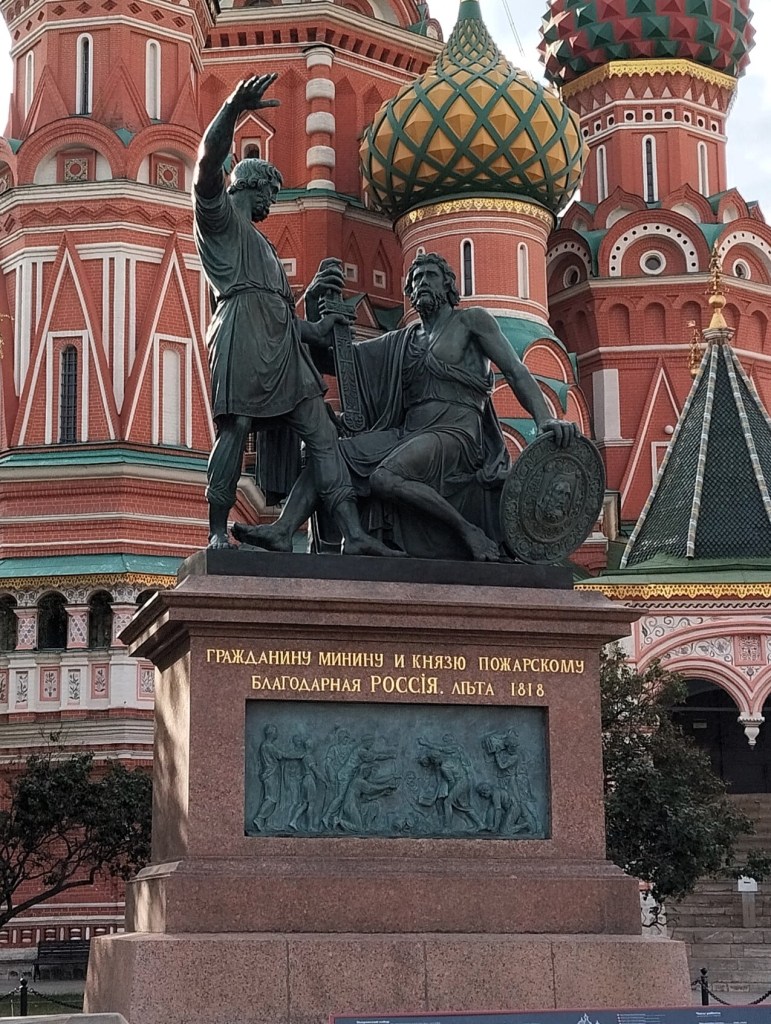
In 1818, on Red Square a monument to the leaders of the Second people’s volunteer corps Prince Dmitry Pozharsky and Kuzma Minin, was built upon the design of Matros. Minin and Pozharsky could consolidate people and gain a victory over Polish invaders in 1612. The monument was supposed to be erected by the bicentenary of the events, i.e. in 1812, but a new war broke this intention. However, after defeat of Napoleon army, the monument became the symbol of the two great victories.
9. St. Basil’s Cathedral Собор Василия Блаженного
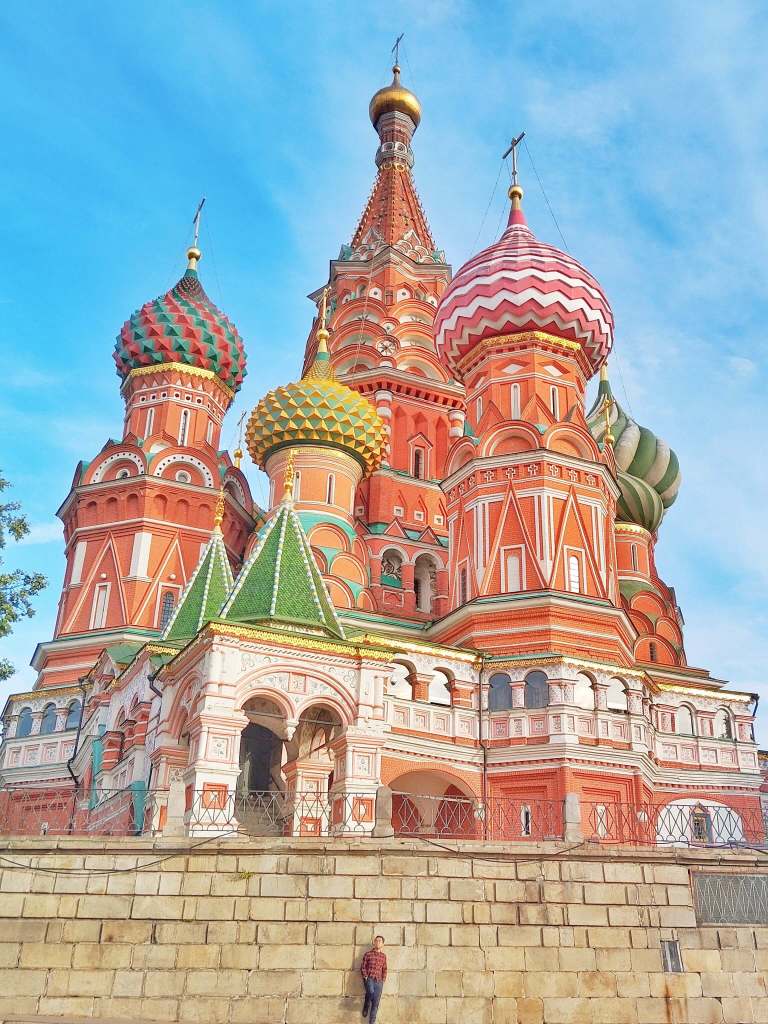
Built in 1555–1561 to commemorate the victory over the Khanate of Kazan, it remains to the present day one of the key points of interest of Russia, its symbol and highlight. The more correct name of this church is the Cathedral of the Protection of Most Holy Theotokos on the Moat Собор Покрова Пресвятой Богородицы, что на Рву. Today, the Pokrovsky Cathedral is jointly used by the State Historical Museum and Russian Orthodox Church, so while tours are given in it like in a museum, on some holy days church services are conducted.
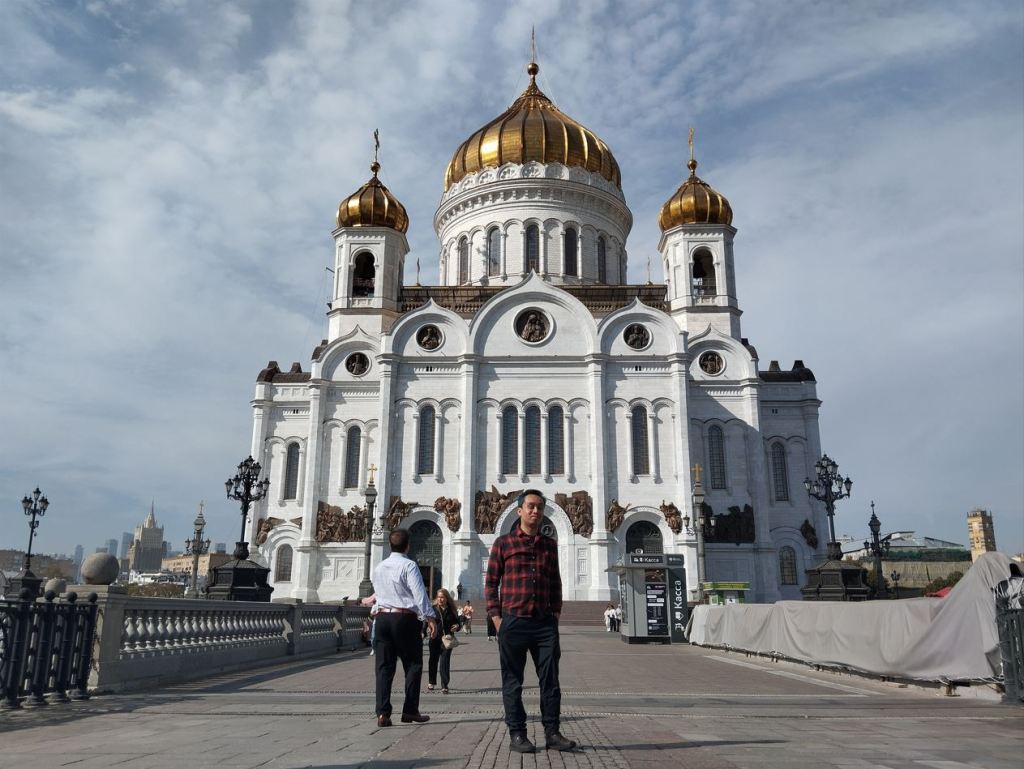
Cathedral of Christ the Savior Храм Христа́ Спаси́теля is the largest church in Russia. In 1831, the construction was assigned to Konstantin Andreyevich Ton. The cathedral of his design was erected on the shore of the Moskva River and consecrated in 1883. Its construction took almost fifty years to complete, and in about fifty more years, in 1931, the cathedral was demolished. There was a plan to erect in its place the legendary Palace of the Soviets, a gigantic 100-floor-high building with a huge Lenin statue at the top. However, this project never came into existence, and the excavated pit that was prepared for the construction was eventually used for a large swimming pool. When a decision was made to reconstruct the cathedral at its original site, the existing space beneath the ground level was used for creating one more church called the Transfiguration church of the Cathedral of Christ the Savior reminding us of the Alekseyevsky Monastery that existed earlier at this site.
Kremlyovskaya Embankment Кремлевская набережная. The first stone embankment of Moscow will take you along the Kremlin walls providing a wonderful view of this ancient fortress, its cathedrals and palaces.
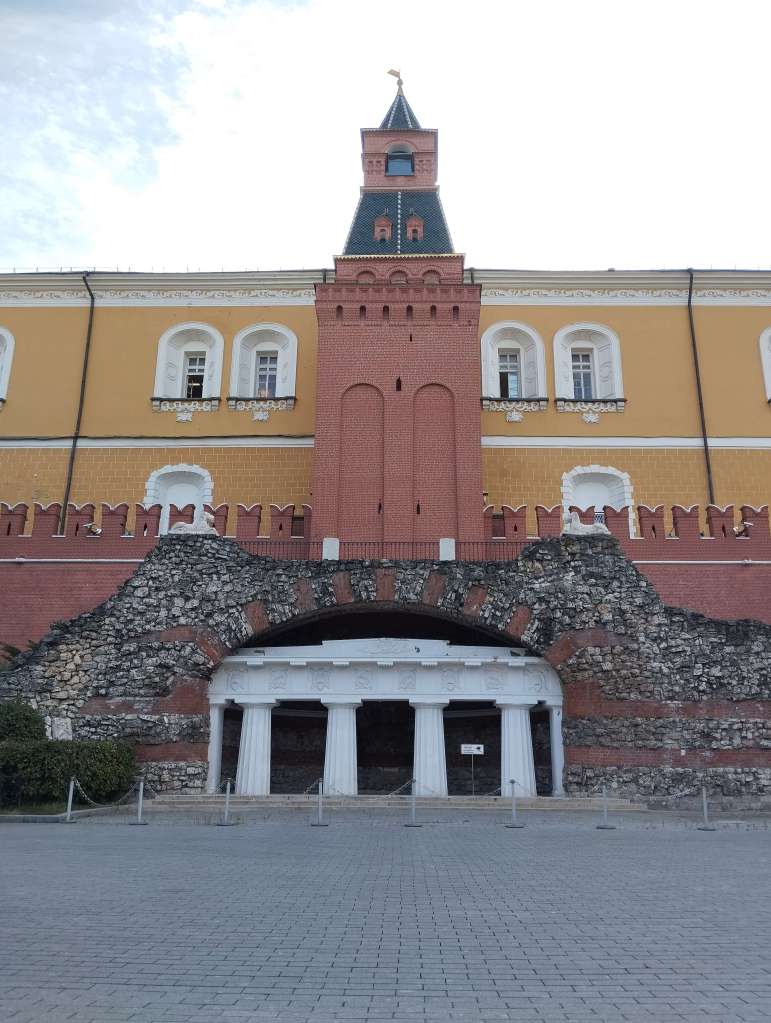
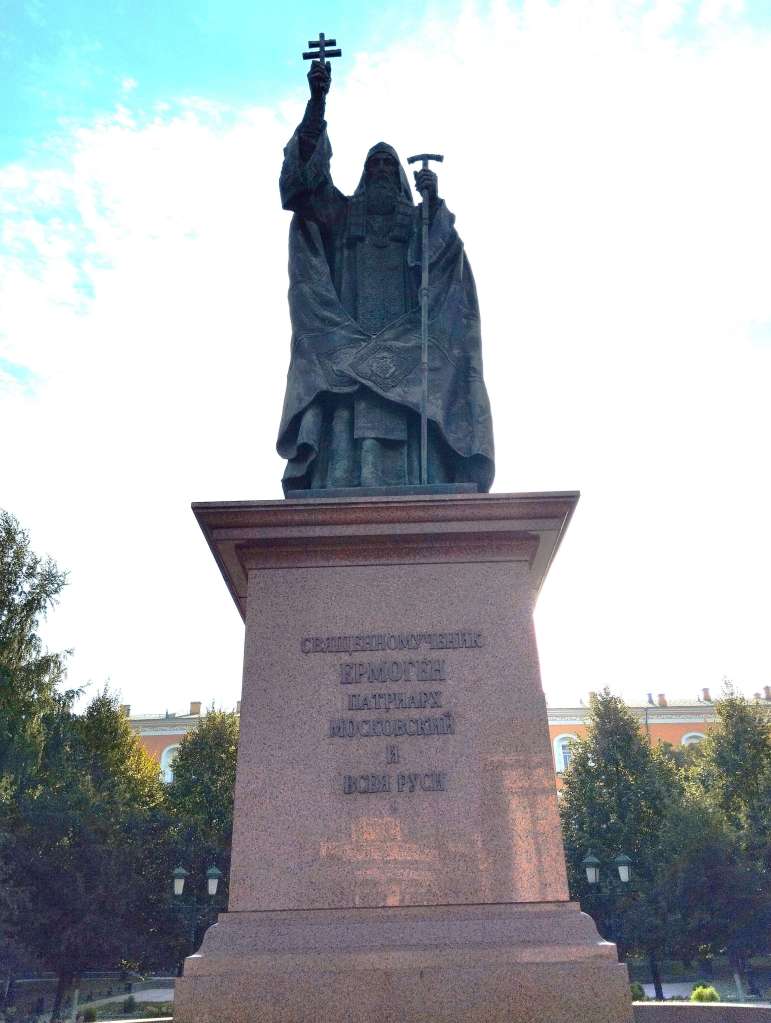
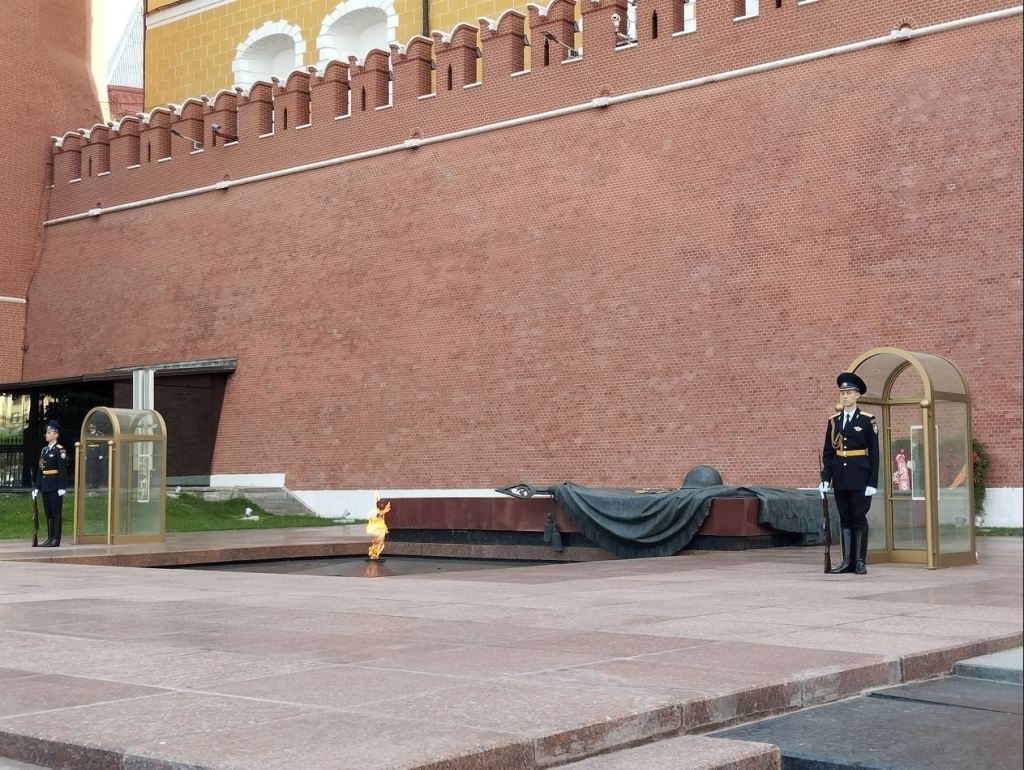
Грот Руины Ruins GrottoПамятник патриарху Гермогену Monument to Patriarch HermogenesФонтан «Четыре времени года» Fountain “Four Seasons”Могила Неизвестного Солдата Tomb of the Unknown SoldierAlexander GardenАлександровский сад. Located at the Kremlin walls, Alexander Garden are not just a walk area. It was created under the project of Joseph Bove in 1820–1823 and became the symbol of Moscow reconstructed and renewed after the fire of 1812. The reminder of that terrible tragedy is the grotto with its wings laid with debris of buildings destroyed by the war. The monument on the Unknown Soldier’s Grave and the eternal flame urge us not to forget the Great Patriotic War of 1941–1945, and the monument to Patriarch Hermogenes erected in 2013 reminds of the Time of Troubles and related events of the early 17th century.






 Ben Goes Where
7 thoughts on “RUSSIA: Walking Around the Heart of Moscow”