Benguet: Sauntering with my Father at La Trinidad and Baguio City
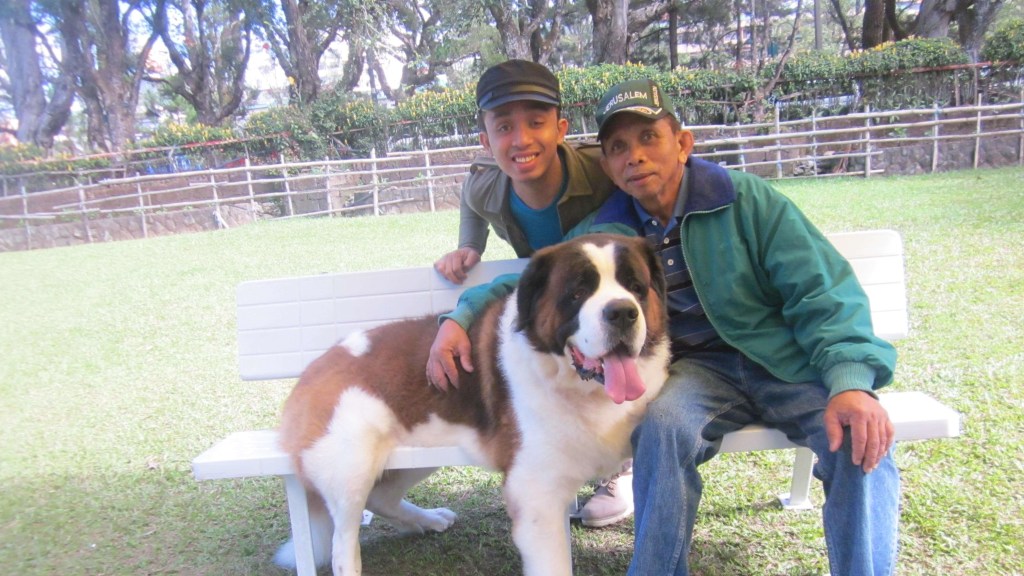
A month of December where it was chilly, I promised my father to bring him in the City of Pines for some weekend trip, since I knew he hasn’t been in Baguio City. As my advanced birthday gift for him, I planned our simple itinerary with walking, museum-hopping, church visits and food trips within the city and its suburbs.
Luzon is the largest and most populous island in the Philippines. It also refers to one of the three primary island groups in the country, and roughly divided into four sections: Northern, Central and Southern Luzon, and the National Capital Region. Among these, Northern Luzon has the most diverse ethnolinguistic groups such as the Cordillerans of the highlands and Ilocanos of the lowlands.
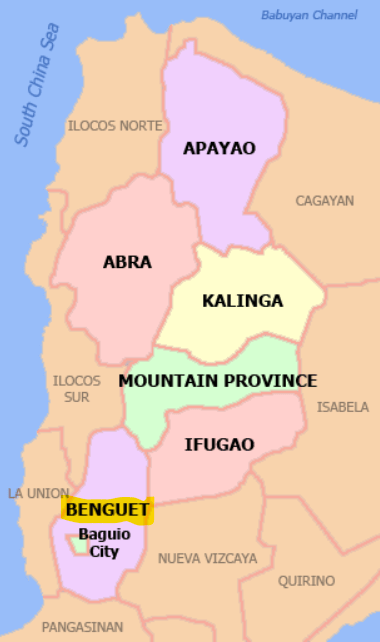
Cordillera Administrative Region (Ilocano: Rehion/Deppaar Administratibo ti Kordiliera; Tagalog: Rehiyong Pampangasiwaan ng Cordillera), designated as CAR, is an administrative region in the Philippines situated within the island of Luzon. The only landlocked region in the insular country, it is bordered by the Ilocos Region to west and southwest, and by the Cagayan Valley Region to the north, east, and southeast. Highlighted is the province I’ve visited for this trip.
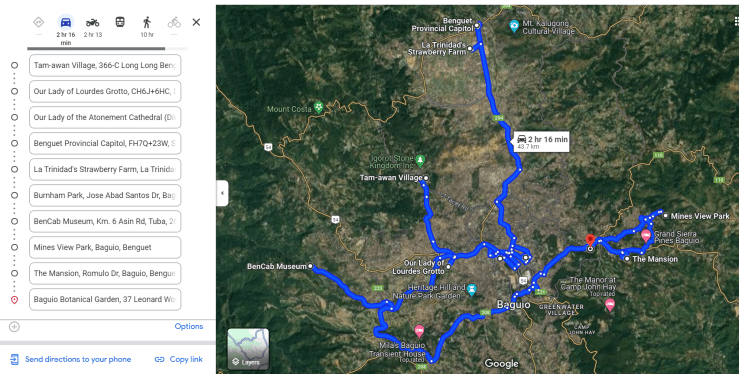
Presenting my itinerary map above of Baguio City and La Trinidad, the provincial capital of Benguet.
HIGHLIGHTS PER REGION:
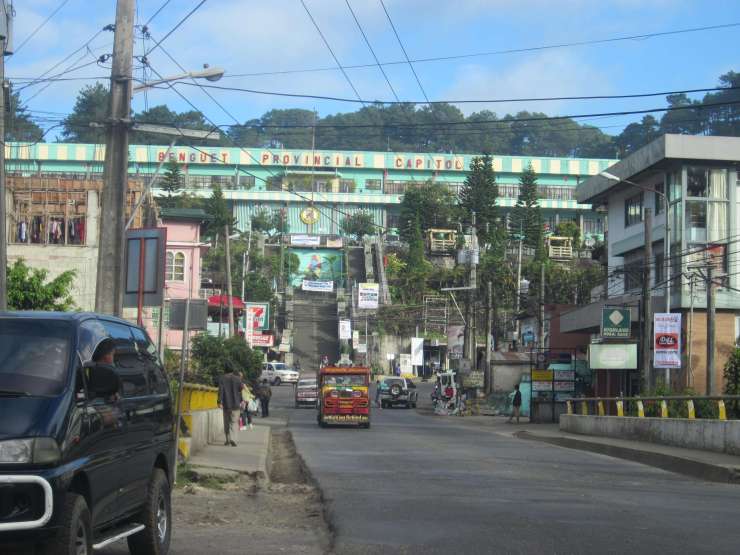
CORDILLERA ADMINISTRATIVE REGION designated as CAR Province of Benguet where the capital is the Municipality of La Trinidad 📍Benguet Provincial Capitol 📍La Trinidad’s Strawberry Farm 📍La Trinidad Municipal Hall 📍San Jose the Husband of Mary Parish 📍Benguet Museum 📍Mt. Kalugong Cultural Village
Baguio City officially City of Baguio, a highly-urbanized city 📍Baguio City Hall 📍Our Lady of the Atonement Cathedral 📍Burnham Park 📍Tam-awan Village 📍Mines View Park 📍The Mansion 📍Our Ldy of Lourdes Grotto 📍Baguio Botanical Garden 📍BenCab Museum located at Asin Road, Tuba, Benguet 📍Good Shepherd Convent for their famous products such as ube jam, strawberry jam, angel cookies, etc. 📍Baguio Public Market for cheap souvenirs and delicacies
Benguet, officially the Province of Benguet (Ibaloi: Probinsya ne Benguet; Kankanaey: Probinsyan di Benguet; Pangasinan: Luyag/Probinsia na Benguet; Ilocano: Probinsia ti Benguet; Filipino: Lalawigan ng Benguet), is a landlocked province of the Philippines located in the southern tip of the Cordillera Administrative Region in the island of Luzon.
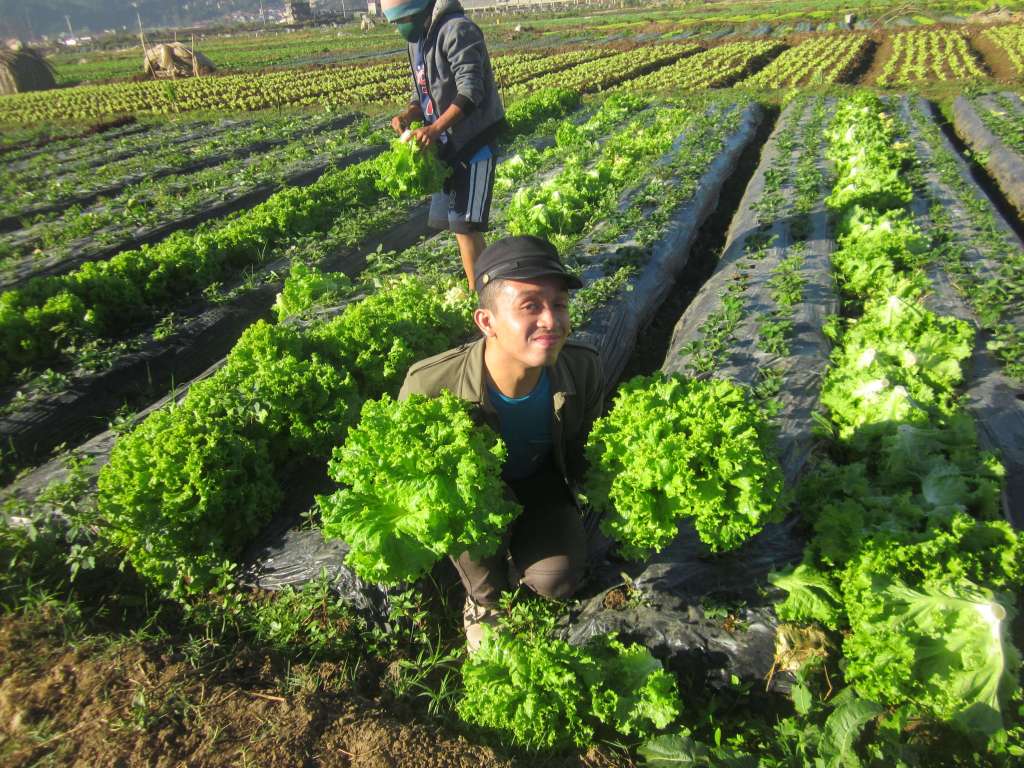
Its capital is La Trinidad. The highland province is known as the Salad Bowl of the Philippines due to its huge production of upland vegetables. Situated within the interior of Benguet is the highly urbanized city of Baguio, which is administered independent from the province. My 16th province!
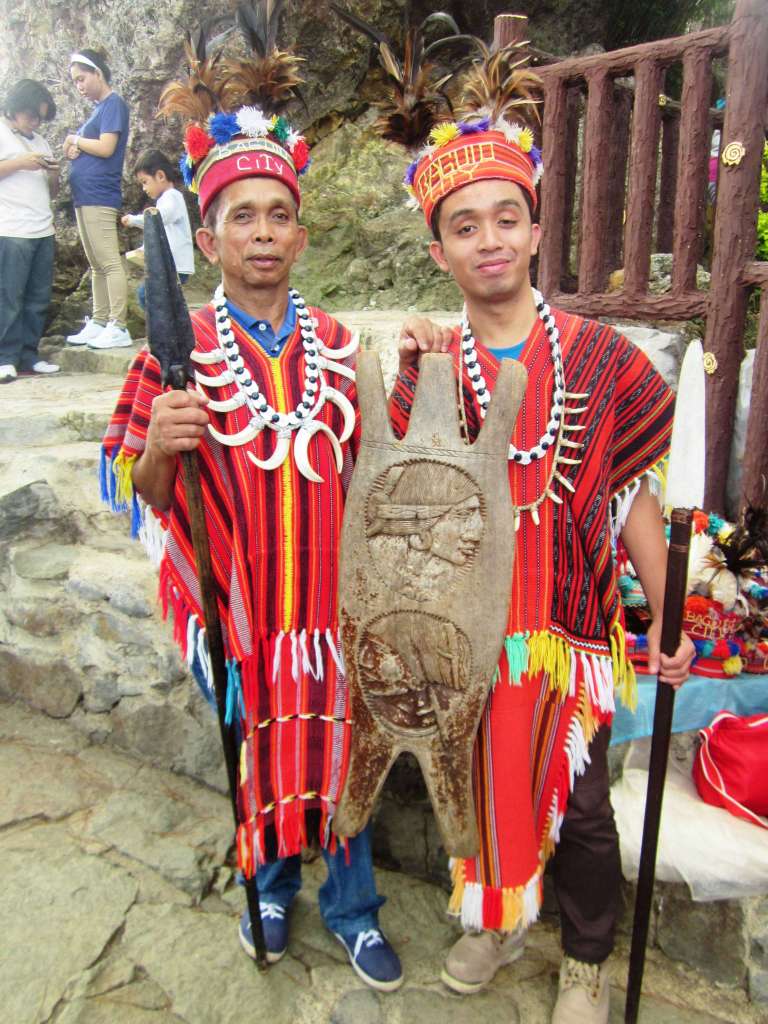
The name Benguet was first pronounced in La Trinidad, a thriving settle- ment at the crossroads to the lowland trading sites during the period of Spanish expeditions. La Trinidad then was a settlement around a lake alive with wildlife, wallowing carabaos dotted with patches of taro, rice, gabi and camote. In one expedition, a curious Spanish conquistador who saw this settlement noted that the people wore cloth coverings wrapped around their head several times. When he inquired about it, the native explained that the heavy head covering which the people wore as protection from the searing cold and winds is termed “benget”. With the western accent of the colonizers “benget” was mispronounced as “benguet”. In time, it eventually become a general reference to the territories of the Igorot people by the Ibaloi, Kankanaey, Kalangoya, and other minor tribes.
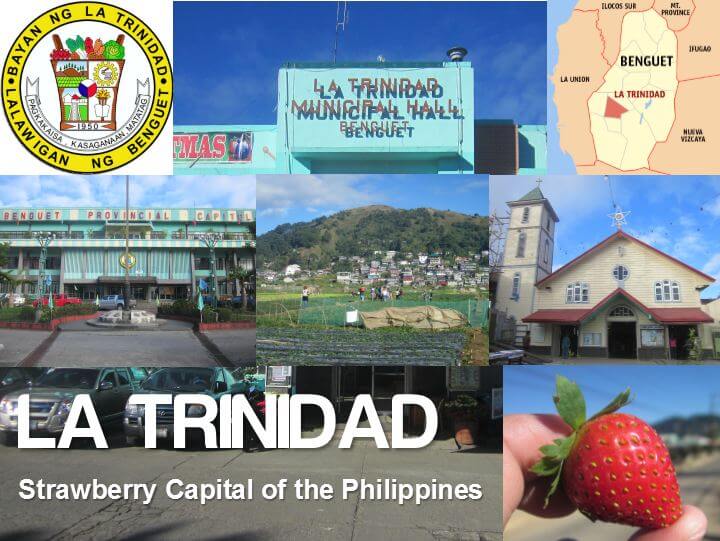
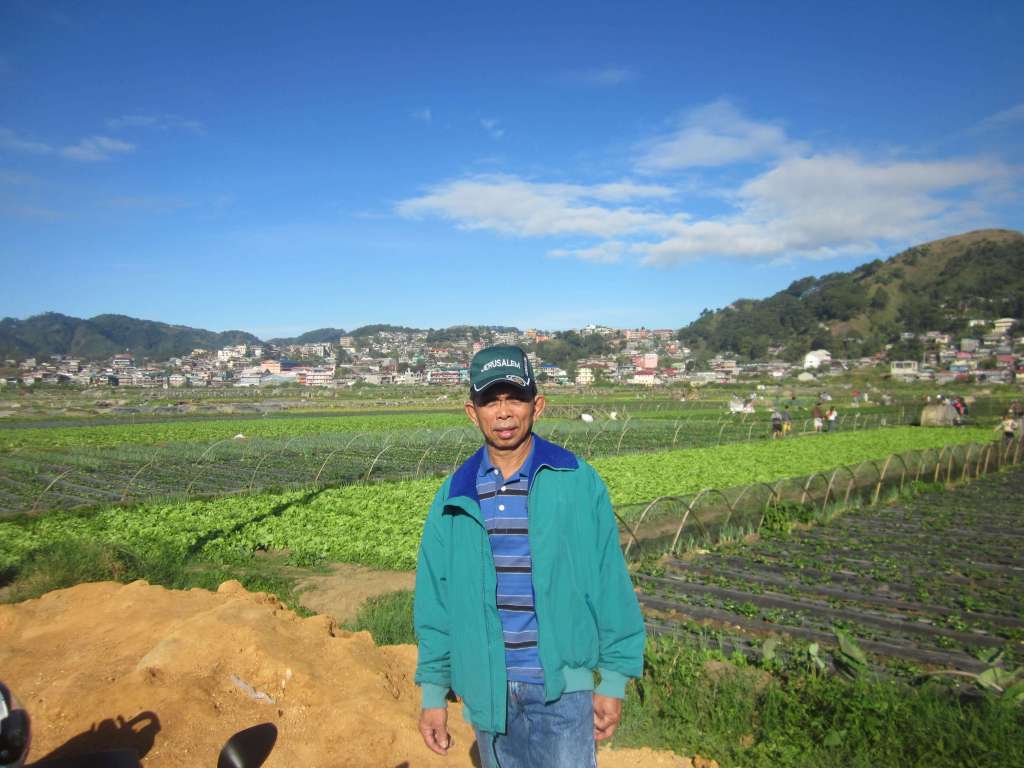
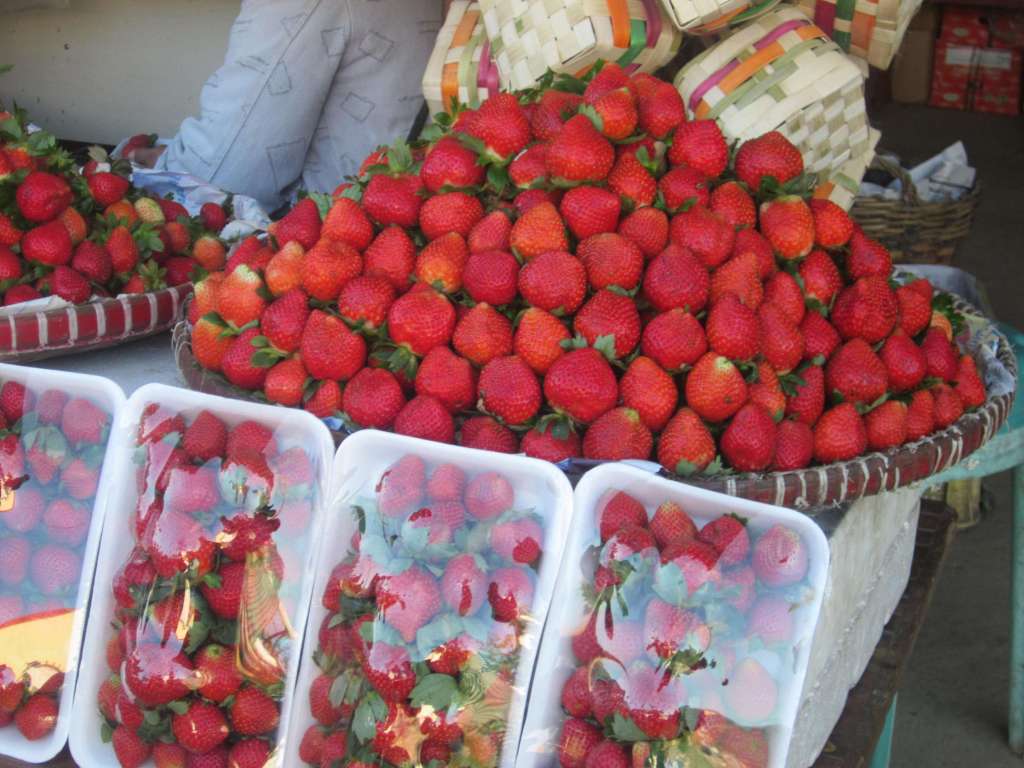
La Trinidad, officially the Municipality of La Trinidad (Ilocano: Ili ti La Trinidad; Tagalog: Bayan ng La Trinidad), is a 1st class municipality and capital of the province of Benguet, Philippines. The town is known for its strawberry plantations, earning the title “Strawberry Fields of the Philippines”. The municipality is within the Metro Baguio area. The town’s name comes from the Spanish phrase for “The Trinity.”
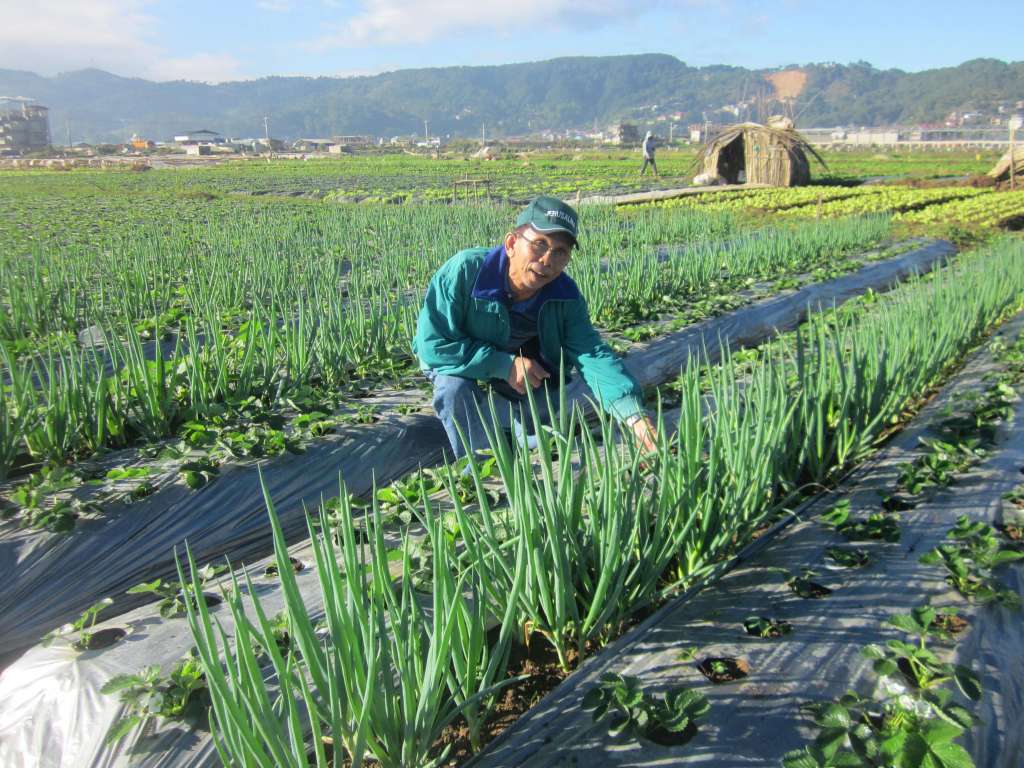
The La Trinidad Strawberry Farm is a farm in the town of La Trinidad, Benguet, Philippines primarily used for the cultivation of strawberries. The farm is also open to tourism. The strawberry farm is located in Barangay Betag of La Trinidad, Benguet and is owned and maintained by the Benguet State University (BSU). The BSU leases at least 500 to 1,000 square meters (5,400 to 10,800 sq ft) lots of the 79.49 hectares (196.4 acres) farm to local farmers for strawberry cultivation. Strawberries are an important part of La Trinidad’s economy with the Strawberry Festival held in the town every March.San Jose the Husband of Mary Parish Church, also known as San Jose Parish Church, is a Roman Catholic church located at Poblacion, La Trinidad, Benguet in the Philippines. The church is under the jurisdiction of the Roman Catholic Diocese of Baguio, and is dedicated to Saint Joseph, Husband of Mary.
Baguio, officially the City of Baguio (Ibaloi: Siudad ne Bagiw; Ilocano: Siudad ti Baguio; Tagalog: Lungsod ng Baguio), is a 1st class highly urbanized city in the Cordillera Administrative Region, Philippines. It is known as the “Summer Capital of the Philippines”, owing to its cool climate since the city is located approximately 4,810 feet (1,470 meters) above mean sea level, often cited as 1,540 meters (5,050 feet) in the Luzon tropical pine forests ecoregion, which also makes it conducive for the growth of mossy plants, orchids and pine trees, to which it attributes its other moniker as the “City of Pines”. Baguio was established as a hill station by the United States in 1900 at the site of an Ibaloi village known as Kafagway. It was the United States’ only hill station in Asia.Baguio is classified as a highly urbanized city (HUC). It is geographically located within Benguet, serving as the provincial capital from 1901 to 1916, but has since been administered independently from the province following its conversion into a chartered city. The city is the center of business, commerce, and education in northern Luzon, as well as the seat of government of the Cordillera Administrative Region. The name Baguio originated in the American period and is derived from the Ibaloi word bagiw (moss), which was then Hispanicized as Baguio. A demonym for natives of the city, Ibagiw, is also derived from it. It is also the name for the city’s annual arts festival.
The Diocese of Baguio (Latin: Dioecesis Baghiopolitana) is a Latin Church suffragan diocese of the Catholic Church in the Philippines comprising the city of Baguio and the province of Benguet on Luzon island in the Philippines. Its see is the Our Lady of Atonement Cathedral in Baguio, Benguet, Cordillera Administrative Region. It was first established in 1952 as the Apostolic Prefecture of Mountain Province, later elevated to an apostolic vicariate in 1948. It was later renamed as the Apostolic Vicariate of Baguio in 1992, and was elevated to a diocese in 2004 as a suffragan of the Archdiocese of Nueva Segovia.
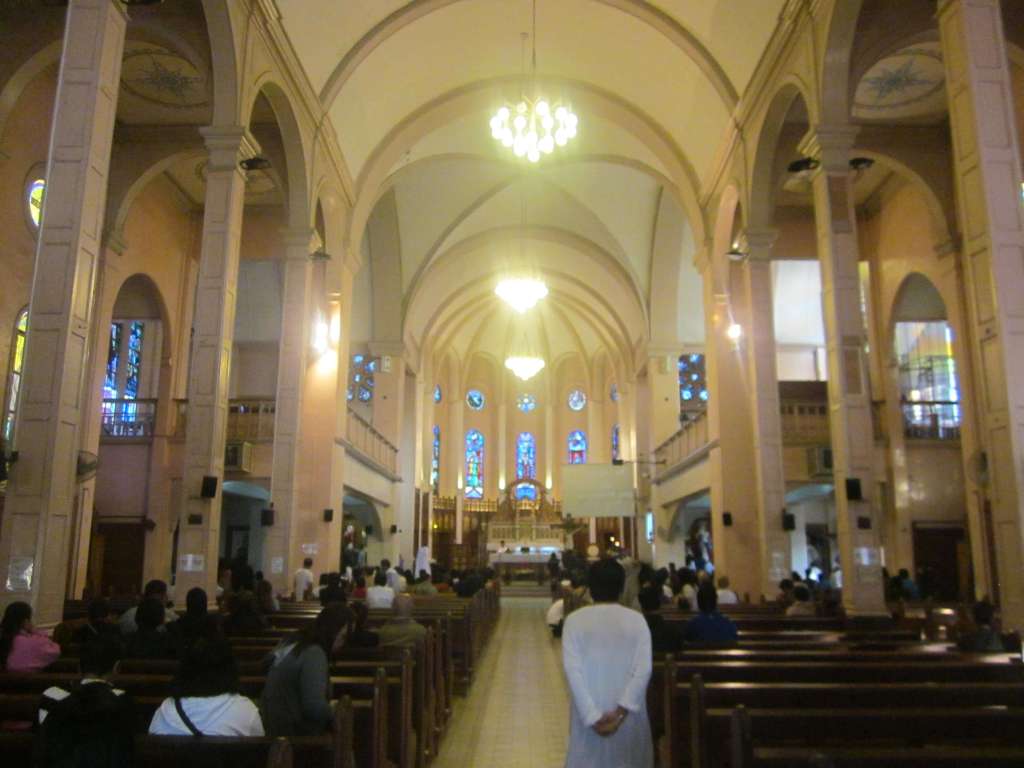
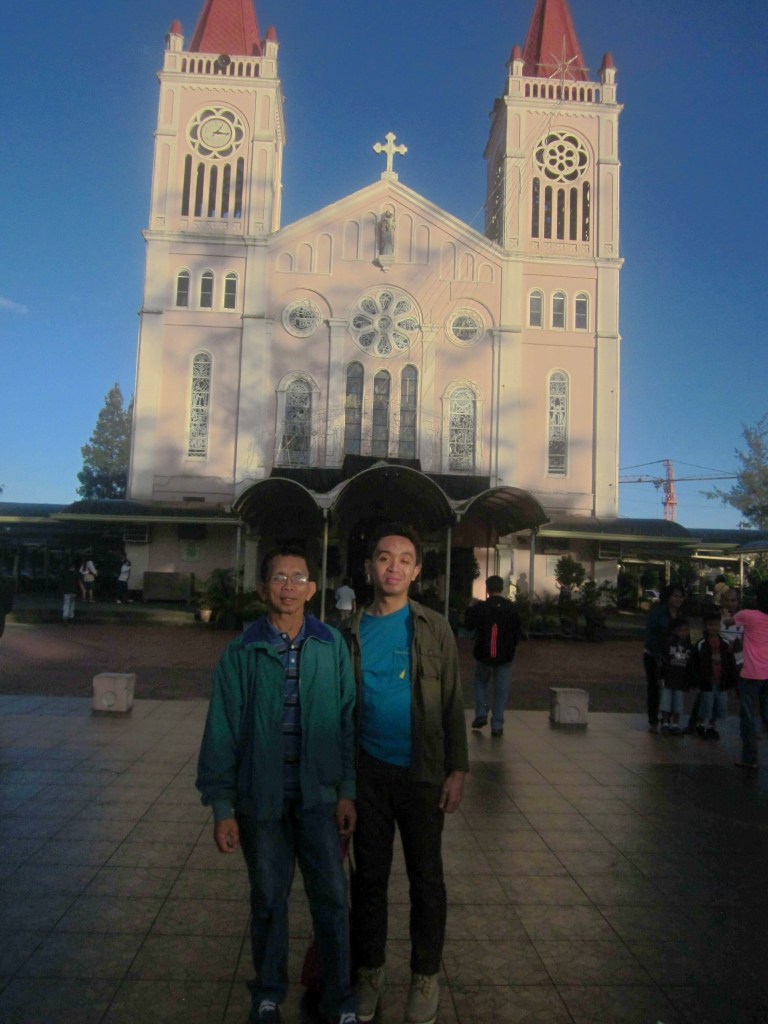
The Our Lady of the Atonement Cathedral, commonly known as Baguio Cathedral, is a Roman Catholic cathedral located at Cathedral Loop adjacent to Session Road in Baguio, the Philippines, and is the see of the Diocese of Baguio. Dedicated to the Blessed Virgin Mary under the title of Our Lady of Atonement, its distinctive exterior, twin spires and stained glass windows make it a popular tourist attraction in Baguio. It served as an evacuation center under the Japanese Occupation during Second World War.Since its existence the Baguio City Hall has been on a hill overlooking Burnham Park. The original Baguio City Hall was destroyed during WWII. It was eventually rebuilt after Americans successfully retook Baguio from the Japanese in The Battle of Baguio which was fought from February 21 to April 26, 1945. The current Baguio City Hall building is an interesting looking structure with tall columns resembling a City Hall that you might easily find in the United States.
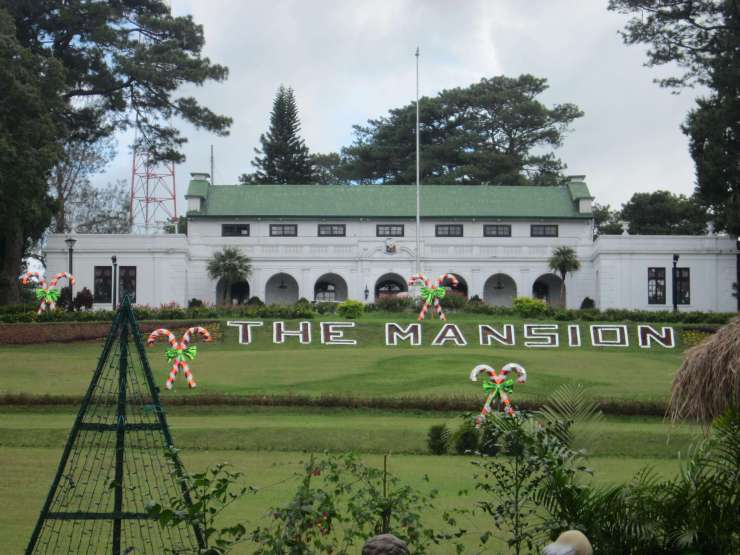
The Mansion, also known as Mansion House, is the official summer palace of the president of the Philippines, located in the summer capital of the country, Baguio, and situated around 5,000 feet (1,500 m) asl in the Cordillera Central Range of northern Luzon.
Tam-awan Village in Pinsao Proper, Baguio City uniquely blends indigenous aesthetics and exquisite Cordilleran craftsmanship with an artist’s concept for a village adapting to Baguio setting. Chanum Foundation, Inc., founded in 1998, began to reconstruct Ifugao houses in Baguio with the view of making a model village accessible to people who have not had the chance to travel to the Cordillera interior.
The Our Lady of Lourdes Grotto is a Catholic shrine that sits on Mirador Hill in Baguio City. It was constructed in 1913 mainly out of limestone that was used to build the Mirador Jesuit Villa. Inside the grotto, you will find the Our Lady of Lourdes statue. This sculpture was created by the famous artist Isabelo Tampingco using polychromed molave. Aside from serving as a place of worship, many tourists flock here for the scenic view of Baguio City that the grotto offers. To reach the grotto, you will have to climb up a stairway made up of around 252 steps which took five years to complete.
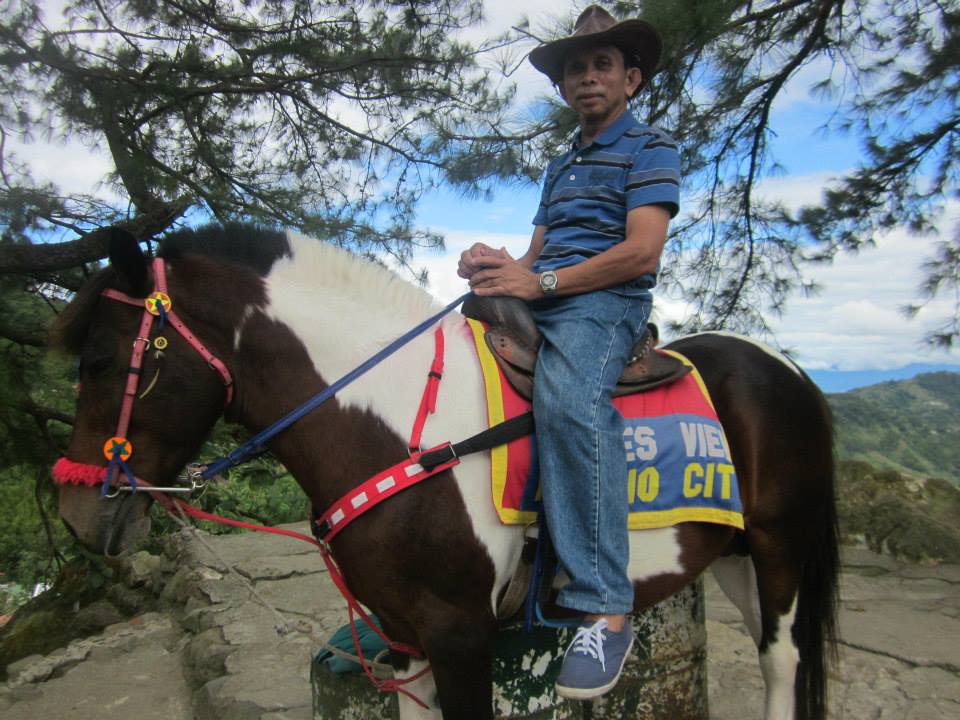
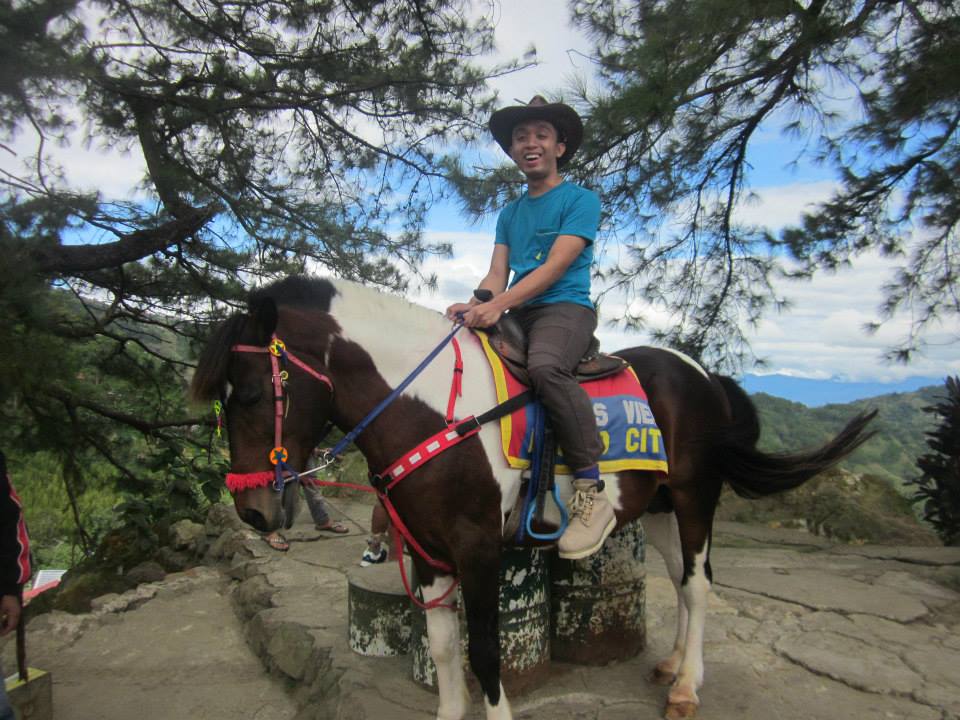
Mines View Park is an overlook park on the northeastern outskirts of Baguio in the Philippines. Located on a land promontory 4 kilometres (2.5 mi) from downtown Baguio, the park overlooks the mining town of Itogon, particularly the abandoned gold and copper mines of the Benguet Corporation, and offers a glimpse of the Amburayan Valley. The observation deck is situated below a winding stone-covered stairway close to the parking area.
The Baguio Botanical Garden is a botanical garden in Baguio, Philippines, located on Leonard Wood Road between Wright Park and Teacher’s Camp.
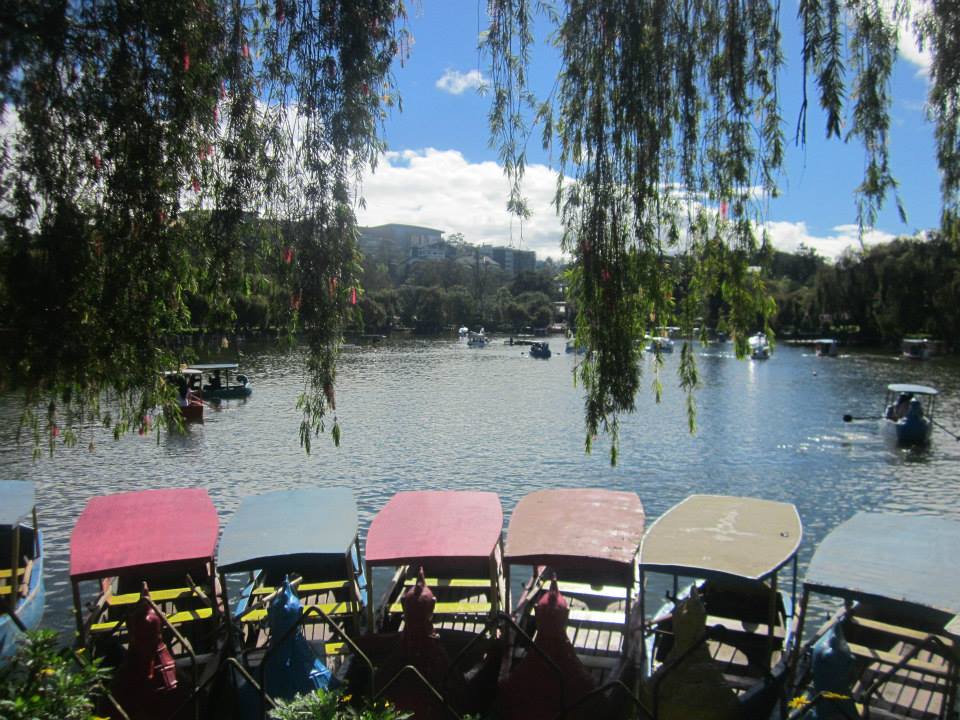
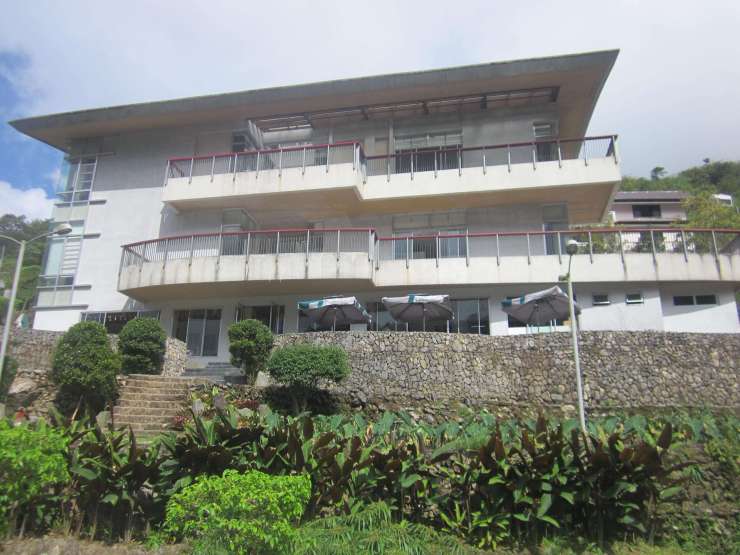
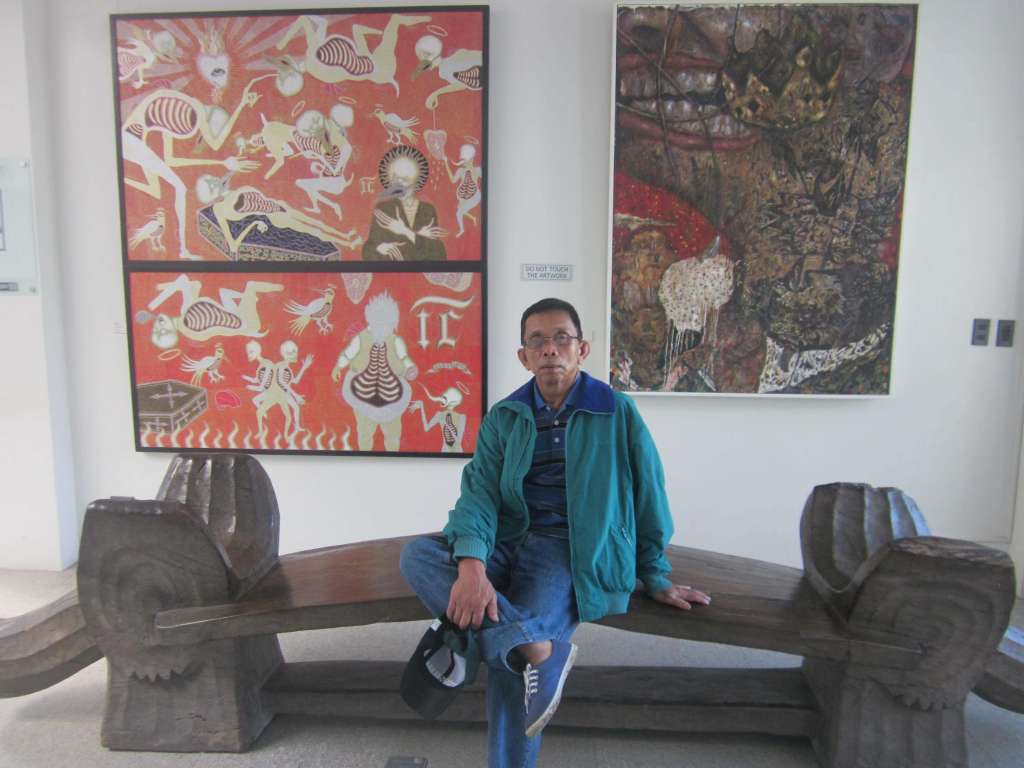
Burnham Park, officially known as the Burnham Park Reservation, is a historic urban park located in downtown Baguio, Philippines. It was designed by eponymous American architect and Baguio city planner, Daniel Burnham.The BenCab Museum is an art museum in Tuba, Benguet, Philippines. The BenCab Museum is hosted within a four-storey building. Different sections of the museum include: the BenCab Gallery, Cordillera Gallery, Erotica Gallery, Philippine Contemporary Art Gallery, Sepia Gallery, Maestro Gallery, Print Gallery, Patio Salvador, and Larawan Hall.The museum complex also has the BenCab Farm & Garden, a leisure area featuring the Ecotrail – which showcases Igorot huts which are an example of Ifugao, Kalinga and Bontoc architecture. Its farm is used to cultivate coffee and other crops and the garden has bonsai trees. The area also has a restaurant-cafe known as the Café Sabel.
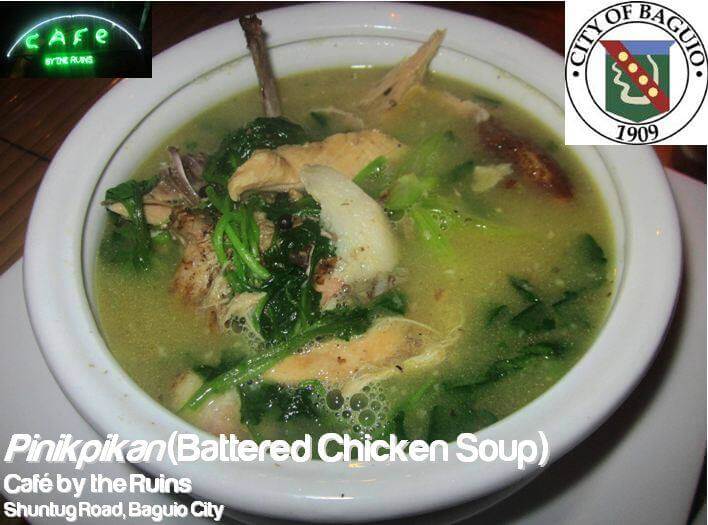
Pinikpikan is a chicken or duck dish from the mountains of the Cordillera region in the Philippines. As a tradition of the indigenous Igorot people, pinikpikan is prepared by beating a live chicken to death with a stick prior to cooking. The beating bruises the chicken’s flesh by bringing blood to its surface, which is said to improve the flavour after cooking.
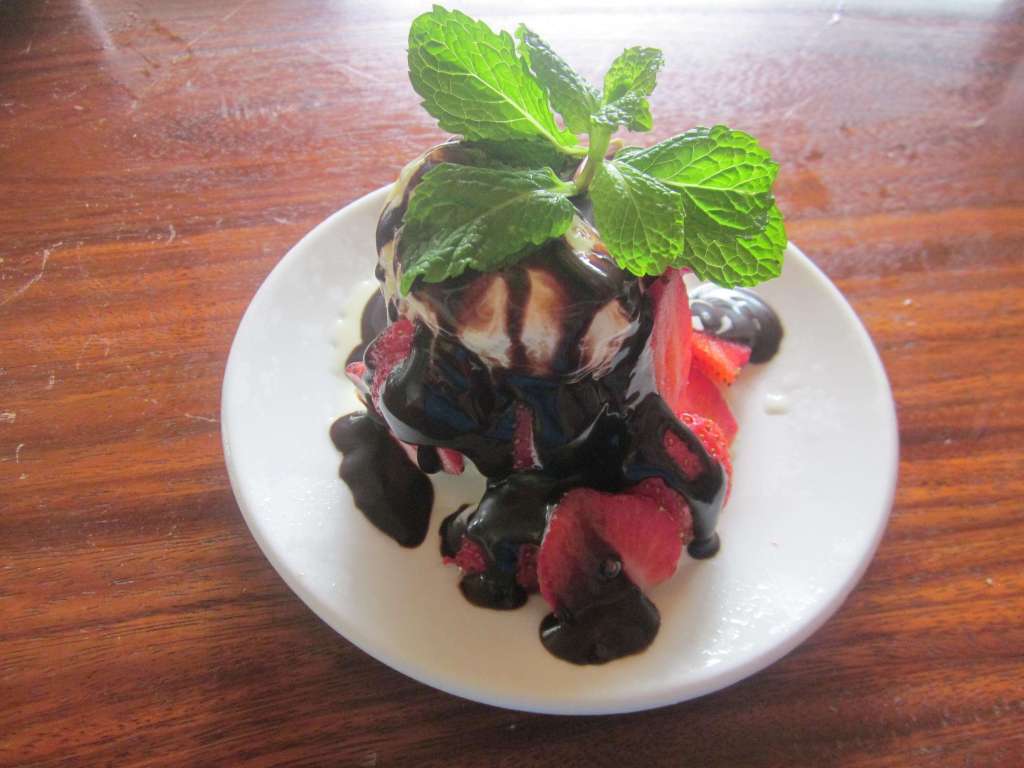
Shortcake generally refers to a dessert with a crumbly scone-like texture. There are multiple variations of shortcake, most of which are served with fruit and cream. One of the most popular is strawberry shortcake, which is typically served with whipped cream.
“Traveling in the company of those we love is home in motion.” – Leigh Hunt
























 Ben Goes Where
1 thought on “Benguet: Sauntering with my Father at La Trinidad and Baguio City”